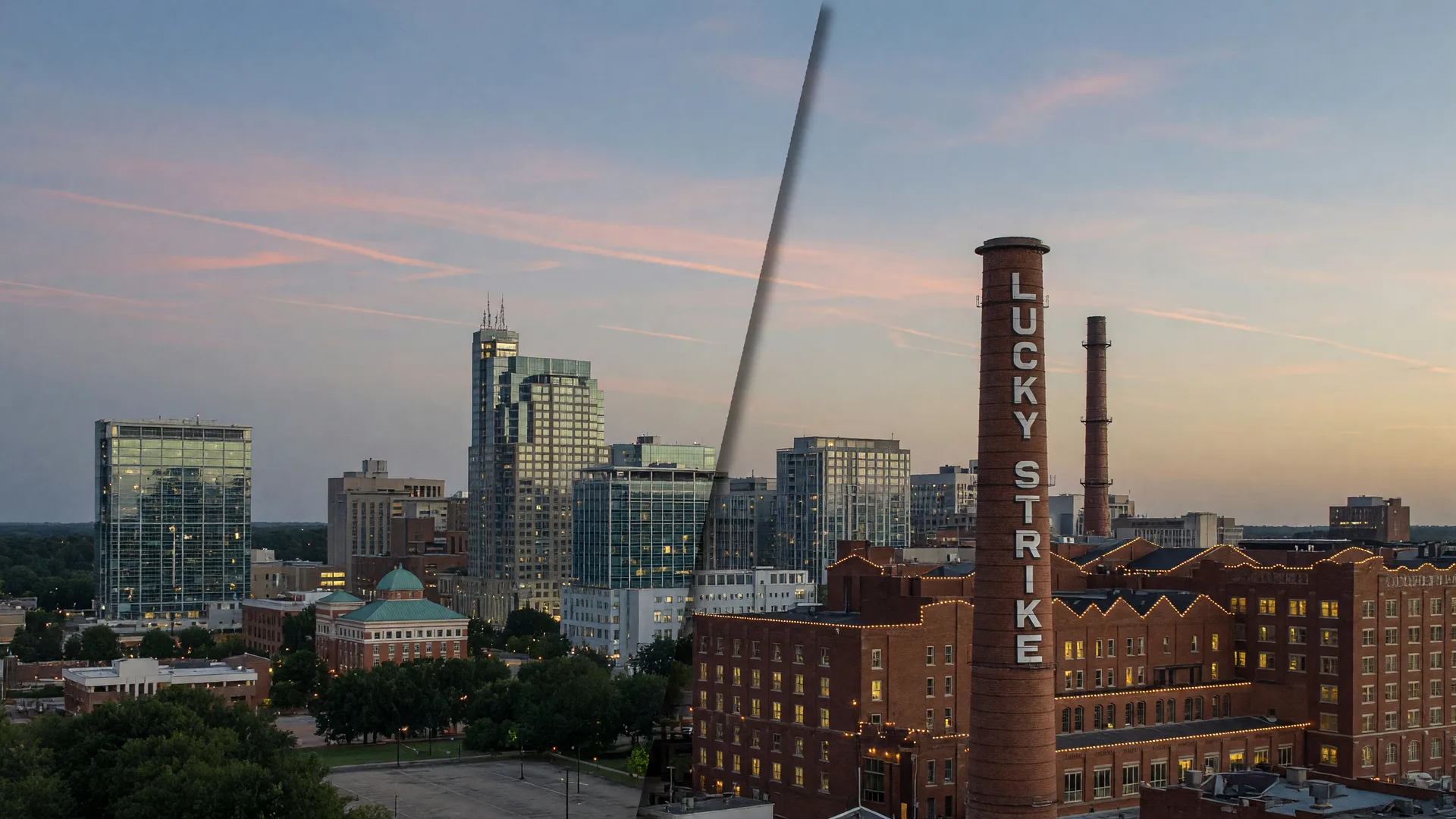
If you are comparing Raleigh and Durham, you are already asking the most useful question a future Triangle resident can ask. The honest answer in 2026 is that neither city wins outright: Raleigh is the safer city with the stronger public school district and the bigger, more corporate downtown, while Durham is typically 5% to 10% cheaper, closer to the Research Triangle Park campuses, and far more compact and creative. With median home prices in Raleigh around $425,000 to $450,000 and Durham closer to $390,000 to $425,000, the gap is real but not dramatic, which means your commute, your kids' schools, and your social life should decide this, not a headline.
I have helped relocating families choose between these two cities for more than twenty years, and almost every one of them starts with the same false premise: that there is a "better" city. There is not. There is a better city for your work address, your school priorities, your budget, and your idea of a good Saturday. This guide walks through each of those in order, with the real 2026 data and the honest opinions I give my own clients.
"To give you total clarity, unfiltered local data, and zero risk, backed by a lifetime guarantee that puts your peace of mind first."
The Short Answer, in One Table
Start here. The table below is the honest 2026 snapshot across the categories relocating buyers ask about most. Figures are ranges because medians vary by source and by which part of each city you measure.
| Category (2026) | Raleigh | Durham |
|---|---|---|
| Median home price | ~$425K-$450K | ~$390K-$425K |
| Typical 2-bedroom rent | ~$1,450-$1,500 | ~$1,400-$1,450 |
| Cost of living (100 = national avg.) | ~116 | ~111 |
| City-wide crime (per 100K residents) | ~2,500 incidents | ~3,200 incidents |
| Public school district | Wake County, rated A | Durham Public, rated B- |
| Average one-way commute | ~23-24 minutes | ~24-25 minutes |
| Typical drive to Research Triangle Park | 20-35 minutes | 10-20 minutes |
Read that table twice, because it captures the whole story: the two cities are close on almost everything, and Durham's two real advantages (price and commute) are exactly the two things that show up in a monthly mortgage payment and a daily drive.
Home Prices: The Real 2026 Gap
Durham is the cheaper city, but the gap is narrower than most out-of-state buyers expect it to be. Depending on the source and the neighborhood, 2026 medians run about $425,000 to $450,000 in Raleigh against $390,000 to $425,000 in Durham, a difference of roughly 5% to 10%. Some trackers show the two even closer, with Redfin's 2026 sale-price medians landing near $422,000 in Raleigh and $425,000 in Durham, so do not move across town on price alone.
The price story is more about form than sticker price. Raleigh offers more classic subdivisions, master-planned communities, and the broad inventory that comes with a larger city. Durham offers more of its best value in established mid-century neighborhoods like Hope Valley and Woodcroft, plus walkable shops and condos near downtown and Trinity Park. And because the gap is only 5% to 10%, a Durham address can still push $600,000 to $800,000 in its premium pockets: the pricing is softer underneath, not cheap.
For the full affordability math, including what income you need at current rates, read how much home you can afford on a $100,000 salary and the rent versus buy math for 2026.
Schools: Wake County vs Durham Public Schools
For families, this is usually the decisive column, and the honest answer favors Raleigh. Wake County Public Schools, which serves Raleigh, is rated A with roughly 161,000 students across 197 schools and 48 magnets. Durham Public Schools is rated B- with about 31,000 students across 57 schools. District-wide, Wake is the stronger system: more consistently strong schools, more choice programs, and the largest magnet portfolio in the Triangle.
Durham's honest counter is its magnets and specialized programs. Families who land a Durham school assignment they love are often very happy with it, and the district has committed to expanding choice. But the average experience favors Wake, and if you are prioritizing maximum school options and the broadest portfolio, Raleigh (and Wake County generally) is the safer bet. One note: Durham city proper is not the whole story in either county, so check the actual feeder pattern for any address. Our district-by-district school comparison walks through the options in detail.
Safety: The Numbers Everyone Asks For
Raleigh is the safer city on every 2026 measure, and I will not pretend otherwise. The most recent FBI UCR figures show roughly 2,500 incidents per 100,000 residents in Raleigh versus about 3,200 in Durham, and BestPlaces estimates Durham runs about 50% higher for violent crime and 24% higher for property crime. Violent crime in North Carolina is heavily concentrated in specific pockets of specific cities, and Durham has more of that concentration than Raleigh does.
What I tell my clients, honestly: both citywide numbers flatten real neighborhood differences. There are very safe blocks and less safe blocks in both cities, and downtown Durham at night is active and well-patrolled in its core, popular with residents and visitors. The right move is the same in both: pick a specific neighborhood, look at its block-level crime map, and walk it at the times you will actually live there. But if your tiebreaker is the overall statistical picture, Raleigh is the answer.
The Commute to Research Triangle Park: Durham's Biggest Win
Research Triangle Park sits on the Durham-Wake line, with most of its campus area in Durham County, and that geography is decisive for anyone whose badge says RTP. Typical drives run 10 to 20 minutes from Durham (via NC-147) and 20 to 35 minutes from most Raleigh neighborhoods: west Raleigh is closer to 15 to 25 minutes, while north Raleigh, North Hills, and Wakefield run 25 to 35 minutes against I-40 traffic.
The daily difference is real. Five hours a week in a car versus three is the difference between arriving home for dinner and arriving home to leftovers. If the person doing the toughest commute is the one who works at RTP, Durham (or the RTP-adjacent towns of Cary and Morrisville) deserves the shortlist. Our full Triangle commute breakdown has the route-by-route times.
Downtowns, Culture, and Daily Life
Raleigh is the bigger, busier, more spread-out city, and its downtown shows it: the state government cluster on Fayetteville Street, Glenwood South's restaurant row, the museums and performing arts venues, Red Hat Amphitheater in warmer months, and a growing condo skyline. The catch is that much of Raleigh's living happens in its large suburban districts, so "downtown Raleigh" and "Raleigh" are genuinely different experiences separated by the Beltline.
Durham is the more compact creative city, and honestly, the one with the more interesting food scene. The American Tobacco Campus, Brightleaf Square, and downtown Durham pack restaurants, breweries, DPAC performances, Durham Bulls games at the DBAP, and Duke's campuses into a walkable core. The city lean is more creative and eclectic, with historic mills and brick warehouses where Raleigh feels sleeker and more corporate. Neither is wrong. They attract different people, and you probably already know which one you are.
Where You Should Look in Each City
A quick honest scouting list, straight from the guides I actually send my clients:
- In Raleigh, family buyers start with North Hills and the Falls of Neuse corridor for schools and amenities, Brier Creek for new construction near the airport, and Five Points or Boylan Heights for historic character inside the Beltline. Start with the Living in Raleigh guide.
- In Durham, start with Hope Valley and Trinity Park for pedigree and yards, Woodcroft for established mid-century value, downtown or Brightleaf for walkers, and Treyburn for golf-course living on the northeast side.
- Rent first if you can. The single best decision most out-of-state movers make is a short lease near your work while you tour neighborhoods in both cities. The maps, the crime stats, and the school ratings only tell you so much; an actual Saturday tells you more.
The full Living in Durham guide and the Living in Raleigh guide both go neighborhood by neighborhood with current market data.
How to Decide: A Simple Test
When a relocating family asks me "Raleigh or Durham?", I run them through four questions in this exact order:
- Where is the job? If anyone commutes to RTP, Durham (or Cary or Morrisville) wins the tiebreak almost automatically. If the job is downtown Raleigh, west Raleigh, or the airport side, Raleigh's side of the line is better.
- What do the schools need to be? If max options and a consistently strong district matter most, choose Wake County, which means Raleigh. If an elite magnet that fits your kid's interest wins over the district average, Durham's choice programs can absolutely compete.
- What is the price band? Below roughly $425,000, Durham still shows a wider selection at the entry point. Above roughly $600,000, both cities have premium inventory and the differences fade.
- Which city do you actually like? After the commute and the schools are settled, walk both downtowns on a weekend. Raleigh will feel like the bigger, busier, more polished capital. Durham will feel like the smaller, more walkable, more creative city. The one that feels like your life is the one to pick.
And remember the scale of the decision: the two downtowns are only about twenty-five to thirty minutes apart, and you will cross between them all the time. Choosing one does not lock you out of the other. If you are weighing the wider Triangle, our honest suburbs comparison adds Cary, Apex, Holly Springs, and Wake Forest to the mix, and the Raleigh vs Charlotte comparison covers the state-level question.
Want the current week's numbers for your exact search? The Raleigh and Durham market reports publish fresh median prices, days on market, and inventory for every Triangle town, and my relocation calls are free and straight to the point.
Frequently Asked Questions
Is Raleigh or Durham a better place to live?
Neither is objectively better. Raleigh offers stronger public schools (Wake County) and lower crime rates. Durham offers lower home prices, a shorter commute to Research Triangle Park, and a more compact, creative downtown. The right choice depends on your priorities for schools, budget, commute, and lifestyle.
Is Durham cheaper than Raleigh in 2026?
Yes, typically by about 5% to 10%. Median home prices in Raleigh hover around $425,000 to $450,000 while Durham runs closer to $390,000 to $425,000, and most 2026 cost-of-living trackers show Durham slightly cheaper overall, including typical rents.
Which city has better schools, Raleigh or Durham?
District-wide, Raleigh's Wake County Public Schools is the stronger system, rated A with roughly 161,000 students and 48 magnet schools. Durham Public Schools is rated B- with about 31,000 students, but offers respected magnet and choice programs that many families prize.
Which city is closer to Research Triangle Park?
Durham is closer. Typical drives to RTP run about 10 to 20 minutes from Durham and 20 to 35 minutes from most Raleigh neighborhoods, with west Raleigh closer to the low end and north Raleigh closer to the high end.
Is Raleigh or Durham safer?
Raleigh records lower overall crime on the most recent FBI UCR figures, roughly 2,500 incidents per 100,000 residents versus about 3,200 in Durham. Both cities vary widely by neighborhood, so the block-level data matters more than the citywide average.
Your Next Step
Run the Raleigh vs Durham Decision Against Your Real Life
Bring me your work address, your school requirements, and your budget, and I will show you the honest numbers for both cities: real commute windows, current inventory in your price band, and the neighborhoods that genuinely fit. Twenty years of this market, zero salesmanship.

Phil Slezak
Real Estate Broker · NC #242173 · 20+ years in the Triangle
I moved to the Triangle from Connecticut two decades ago and have spent those years matching relocating families to the right side of the Raleigh-Durham line. If you are deciding between these two cities, that is exactly the conversation I have every week, and I would be glad to have it with you.
Book a callRelated Articles
Phil Slezak Real Estate brokered by LPT Realty