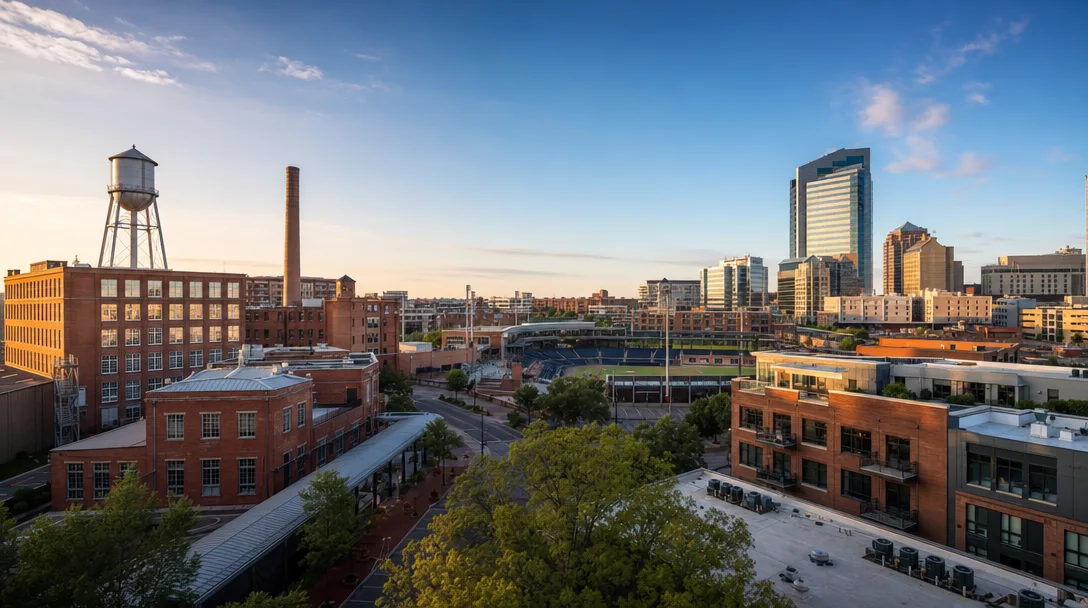
Living in Durham, NC: The Complete Guide
Durham is the Triangle's most dynamic city -- a place where world-class universities, a booming biotech corridor, and a thriving downtown food scene converge. Here is the honest truth about what it is really like to live here.
This complete 2026 guide covers home prices, neighborhoods, schools, commute times, cost of living, and the honest truth about what it is really like to live in Durham -- from a licensed broker who has spent 20+ years helping buyers find the right fit in the Triangle.
317,000+
Population and Growing
~$460,000
Median Home Price
2.2M+
Metro Area People
Top Research
University Hub
This Durham guide is researched and written by Phil Slezak, a licensed NC broker with 20+ years in the Triangle who has helped 500+ buyers and sellers across Durham and the Triangle.
Your Complete Guide to Living in Durham NC and Moving to Durham
Whether you are researching living in Durham NC or getting serious about moving to Durham from another state or another part of the Triangle, this guide is built for that decision. It covers the neighborhoods where buyers actually land, what the cost of living really looks like, what the schools have to offer, how the commute to Raleigh and Research Triangle Park feels day to day, and the things to do that make the Bull City worth the move. The perspective comes from Phil Slezak, a local broker who has spent 20+ years helping families relocate to Durham and find the right home in the Triangle.
Durham is home to Duke University, one of the nation's top research universities, and a key anchor of the Research Triangle. The city has evolved from a tobacco town into a diverse, innovative city with a nationally recognized food scene, a revitalized downtown, and proximity to Research Triangle Park. Neighborhoods here range from the walkable historic blocks of Trinity Park and Downtown Durham to established family communities like Hope Valley, Woodcroft, and Croasdaile, each with its own detailed guide further down this page.
Located in the heart of the Research Triangle, Durham is the premier choice for buyers who want a walkable, culturally rich, and economically vibrant city experience without the premium price tag of larger metros. Its Durham Public Schools and charter options, historic districts, and direct highway access to both RTP and Downtown Raleigh make it a top destination for medical professionals, tech workers, academics, and creative professionals. Pair that with the revitalized American Tobacco Campus, a Durham Bulls game under the lights of the historic ballpark, the bustling Ninth Street District, an expanding greenway network, and a thriving arts scene anchored by the Nasher Museum of Art, and it is easy to see why the city keeps drawing people in.
If you are at the very start of your research, begin with our faster read on 17 things to know before moving to Durham, NC, then work through the neighborhood guides and the rest of this page. And when you are ready to take the next step, reach out any time and I will help you find the right fit.
What's Inside This Guide
Durham, NC Real Estate Market Snapshot (July 2026)
| Metric | July 2026 | 2025 | Change |
|---|---|---|---|
| Median Sales Price | $460,000 | ~$465,000 | -2.2% |
| Closed Sales | 344 | -- | +12.3% |
| Median Days on Market | 12 | -- | +35.7% |
| List Price Received | 98.5% | -- | -0.6% |
| Median Sold $/Sq Ft | $219 | -- | -1.7% |
| New Listings | 1,175 | -- | +11.2% |
"Durham's real estate market is one of the most diverse in the Triangle. You can find everything from historic bungalows near Duke's campus to new construction in South Durham, all at price points that still make sense for relocating buyers."
Phil Slezak — Broker, Phil Slezak Real Estate
Why People Are Moving to Durham, NC
Durham has transformed from an industrial tobacco hub into one of the East Coast's most vibrant mid-sized cities. Known as the Bull City, it combines a powerhouse economy driven by tech, healthcare, and higher education with a distinct cultural identity that sets it apart from the rest of the Triangle.
Key Reasons to Call Durham Home
Research Triangle Park (RTP) Proximity
Bordering Durham's southern edge, RTP is North America's largest research park, spanning 7,000 acres and housing over 300 companies and 55,000+ employees. Global giants like IBM, Cisco, and GSK sit just minutes from home.
Anchored by Duke University and Duke Health
As the area's largest employer with over 43,000 staff members, Duke anchors the regional economy and earns Durham its moniker, the "City of Medicine".
More House for Your Money
While prices across the Triangle have grown, Durham remains a smart financial choice. With median home prices running lower than nearby Cary or Chapel Hill, buyers can secure more space and land without sacrificing access to the region's top job markets.
A Nationally Recognized Food and Arts Scene
Durham's culinary reputation isn't just local hype, it's backed by James Beard Foundation awards, innovative farm-to-table concepts, craft breweries, and a thriving nightlife district built into historic, repurposed tobacco warehouses.
Inclusive, Culturally Rich Community
Durham takes pride in its progressive, welcoming atmosphere. It consistently earns top scores on the Human Rights Campaign's Municipal Equality Index and stands as one of the most racially and culturally diverse cities in North Carolina.
Nature Right Outside Your Back Door
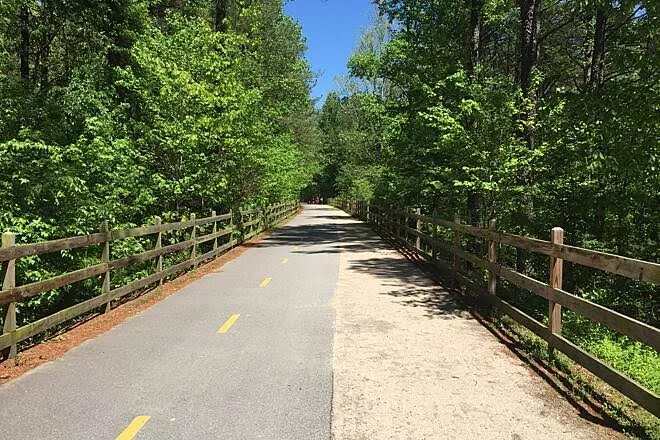
Urban living here doesn't mean giving up the outdoors. The American Tobacco Trail runs right through the center of town, while Eno River State Park and Duke Forest offer miles of hiking, kayaking, and mountain biking just 15 minutes from downtown.
The Durham Difference
Raleigh and Cary
Polished and Planned
Durham
Gritty and Artistic
The Vibe: Where surrounding Triangle suburbs skew toward master-planned communities and modern strip centers, Durham embraces its historic roots. Expect exposed brick, industrial architecture, locally owned businesses, and an unpretentious, creative grit you won't find anywhere else in the region.

"Durham's real estate market is one of the most diverse in the Triangle. You can find everything from historic bungalows near Duke's campus to new construction in South Durham, all at price points that still make sense for relocating buyers."
Phil Slezak, Broker, Phil Slezak Real Estate
Moving to Durham, NC?
Moving to Durham, NC puts you at the absolute heart of the Research Triangle—a vibrant, diverse city recognized globally for healthcare innovation, technology hubs, and an award-winning culinary scene. Home to Duke University and Research Triangle Park (RTP), Durham consistently attracts medical professionals, tech engineers, and families drawn to its unique blend of historic architecture and modern suburban growth.
Before making your move, it is critical to understand Durham’s hyper-local nuances: how property taxes vary between Durham County and adjacent areas, which public school base assignments match your budget, and how commute corridors along I-40, NC-147, and NC-751 impact your daily drive to Duke or RTP. Whether you are looking for historic character in Trinity Park, luxury golf living in Treyburn or Hope Valley, or master-planned amenities in Woodcroft, getting local guidance early ensures a seamless transition.
Homes for Sale in Durham, NC
Browse active Durham listings updated directly from the MLS. Use the search below to filter by price, beds, baths, and neighborhood.
Durham Housing Guide: New Construction or Resale
Durham's housing stock spans everything from 1900s mill-village bungalows to brand-new master-planned subdivisions in the fast-growing southern corridor. Where you land depends heavily on whether you want walkability and historic charm, or modern new construction equipped with neighborhood amenities.
Where New Construction Is Happening
New construction in Durham is primarily concentrated in South Durham near NC-54 and I-40 (such as Falls Village and Ellis Crossing), as well as select infill pockets near downtown. Southeast Durham along NC-98 and Ellis Road is also seeing active building, offering ideally positioned communities nestled between Durham and Raleigh.
Types of Homes in Durham
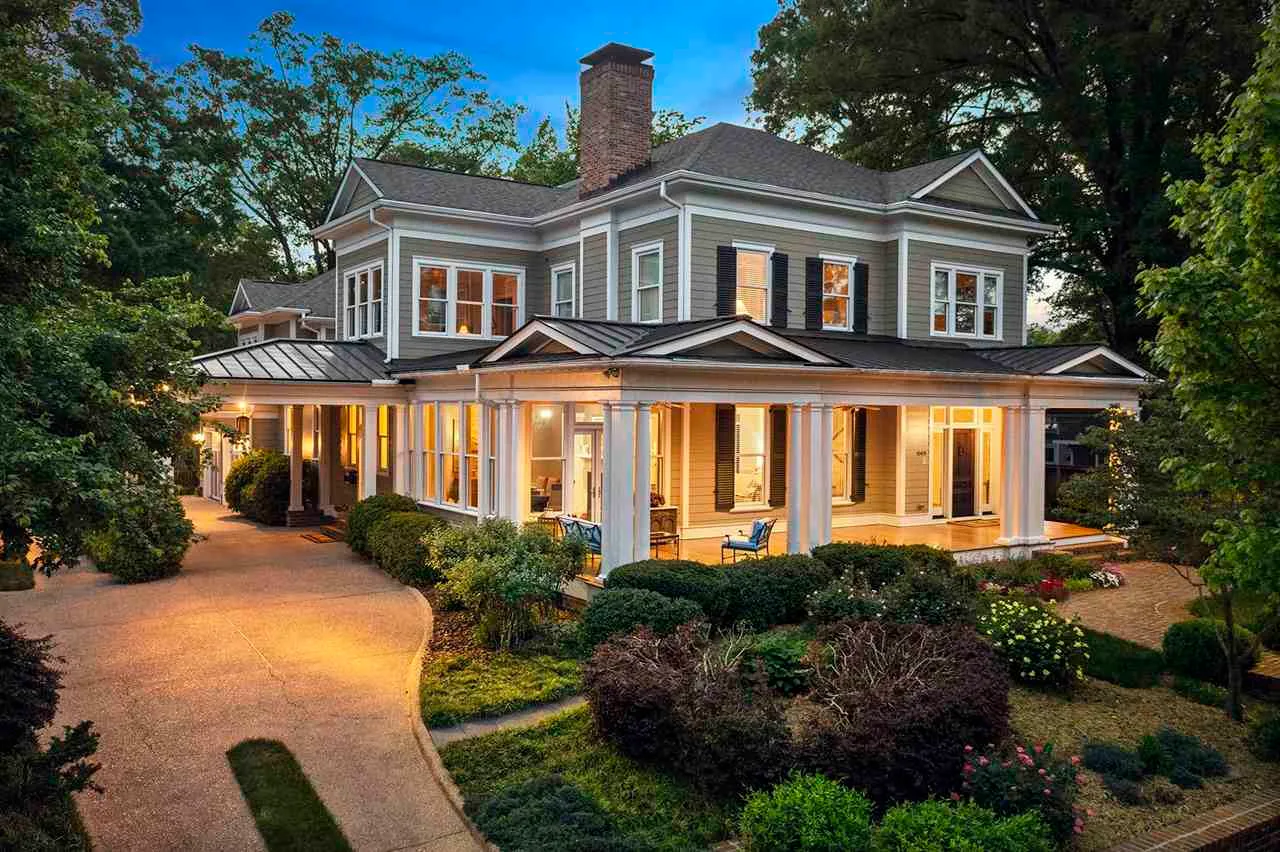
Historic Bungalows and Craftsman Homes ($300K-$1M+)
Trinity Park, Old West Durham, and Forest Hills offer early-1900s to 1920s homes on walkable, tree-lined streets close to Duke's East Campus and downtown. Renovated homes command a premium; unrenovated ones are increasingly rare.
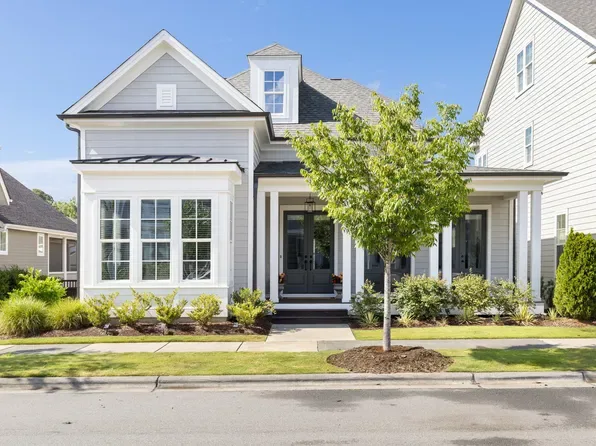
Suburban Single-Family ($375K-$700K+)
Woodcroft, Chancellors Ridge, and Parkwood represent Durham's suburban sweet spot -- established neighborhoods from the 1960s through 2000s with pools, clubhouses, and mature landscaping.
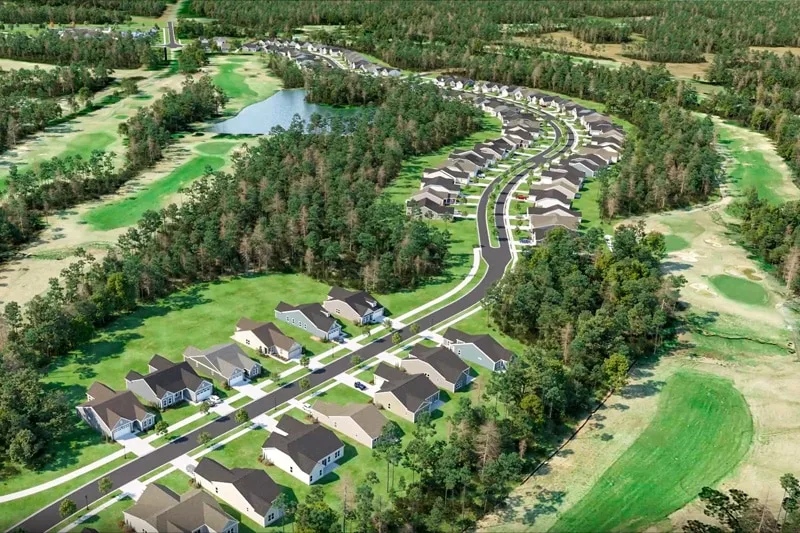
New Construction Communities ($400K-$800K+)
Falls Village (55+ golf community) and Ellis Crossing (family-oriented, resort-style amenities) represent Durham's newest master-planned product, both in the fast-growing southeastern corridor.
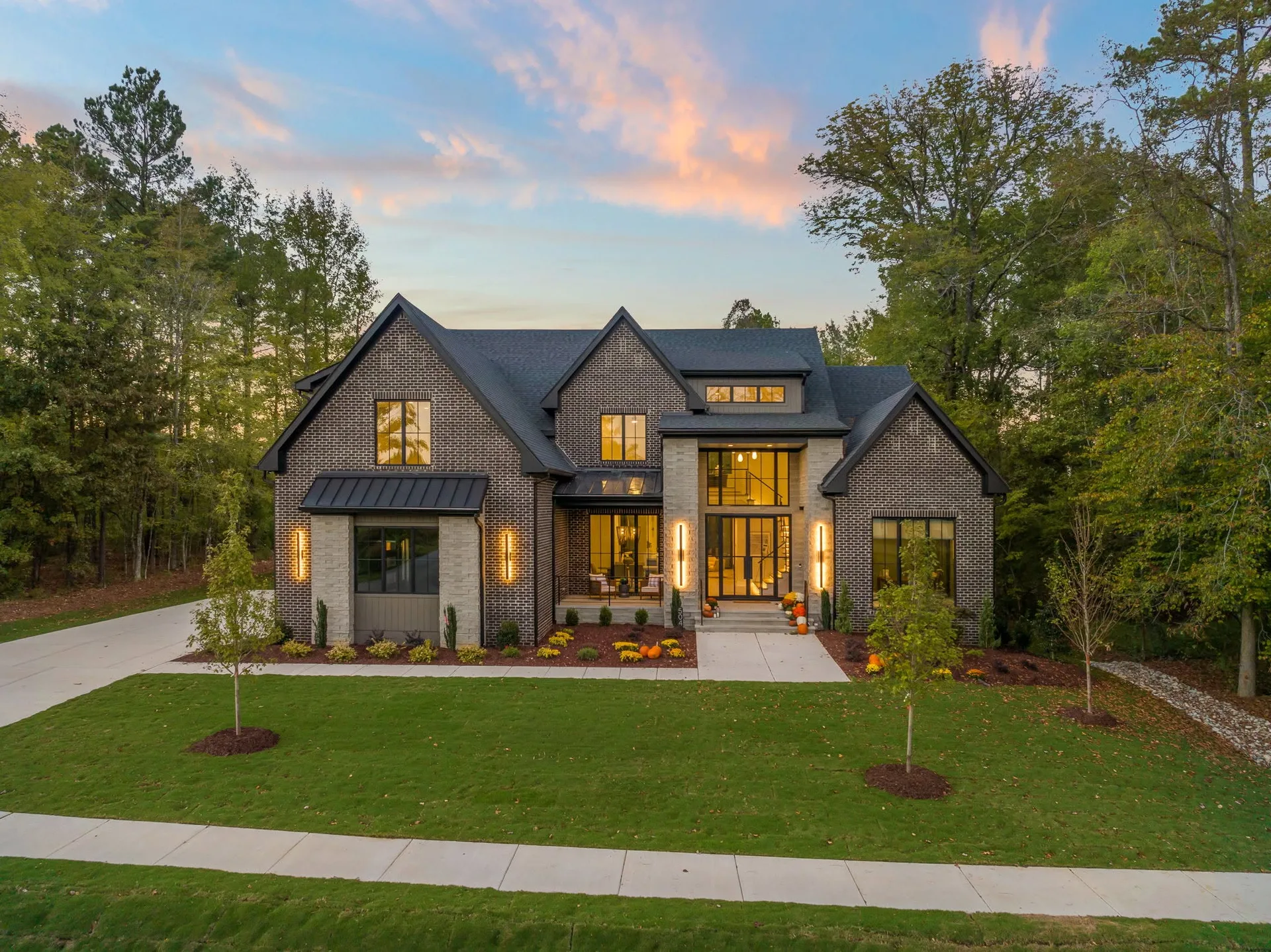
Executive and Luxury ($750K-$3M+)
Croasdaile, Colvard Farms, and The Hills at Southpoint anchor Durham's luxury tier -- country club living, multi-acre estate lots, and custom-built homes.
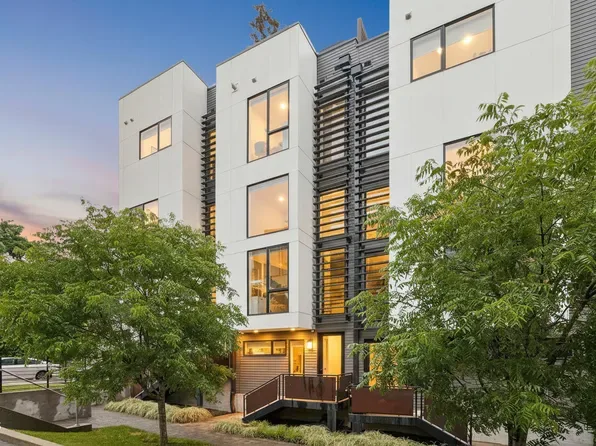
Downtown Lofts and Condos ($225K - $1.5M+)
American Tobacco Campus and the surrounding warehouse district offer converted historic lofts with exposed brick and open floor plans, walking distance to the Durham Bulls, restaurants, and nightlife.
New Construction Builders Active in Durham
Several leading national and regional builders are actively delivering new inventory across Durham's residential developments:
Pro Tip for Buyers: As with any new construction purchase, having independent buyer representation matters. Builder sales representatives work solely on behalf of the builder -- not you. Having your own agent ensures your interests are protected throughout negotiation, inspections, and closing.
Durham Most Searched Neighborhoods - Finding Your Right Fit
Durham's neighborhoods range from walkable historic urban districts to established suburban corridors and fast-growing golf course communities. Finding the right fit depends entirely on your lifestyle priorities, commute destination, and long-term budget. Here is an honest overview of the primary areas buyers evaluate when moving to the Bull City.
Planning the move itself?
Start with the complete relocation guide: moving costs, your NC DMV timeline, cost of living, schools, commute corridors, and neighborhood picks.
Moving to Durham, NC: Complete Guide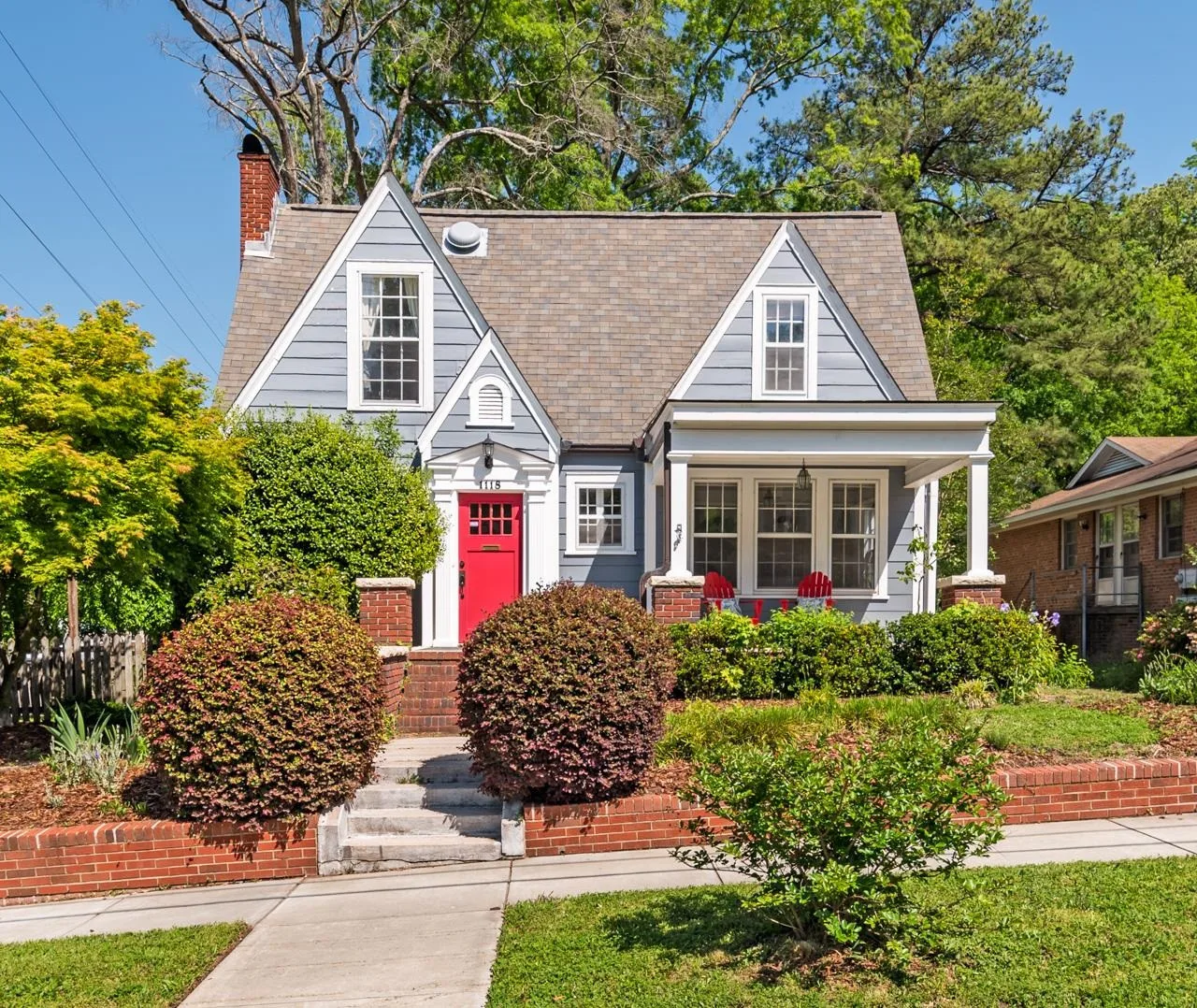
Trinity Park ($400,000-$900,000+)
Overview: Trinity Park is Durham's most walkable historic district, a tree-lined grid of early-1900s bungalows and Craftsman, Colonial, and Tudor homes tucked between Duke University's East Campus and downtown Durham.
What to Know: The neighborhood sits directly between Duke's East Campus and downtown, with Ninth Street's shops and cafes just steps from its front porches. Historic district status protects the character of the block faces, and renovated homes command a clear premium while unrenovated inventory grows increasingly scarce.
Housing Styles: Early-1900s bungalows plus Craftsman, Colonial Revival, and Tudor Revival homes on leafy, sidewalk-lined streets shaded by mature oaks. Typical single-family pricing runs roughly $400,000 to $900,000+, with medians near $700,000.
Why People Move Here: Duke faculty and staff, medical professionals, and creative professionals choose Trinity Park for car-light city living: a short walk to Ninth Street, about 5 minutes to Duke, 5 minutes to downtown, and roughly 10 to 15 minutes to RTP.
Tips from Phil
- Move fast on renovated inventory: Well-updated historic homes on Trinity Park's best blocks draw multiple offers quickly. Get pre-approved and be ready to tour the day a listing hits the market.
- Budget for the bones: Charm and location come with older systems. Factor roof, HVAC, plumbing, and window updates into your offer so the winning bid still fits your budget.
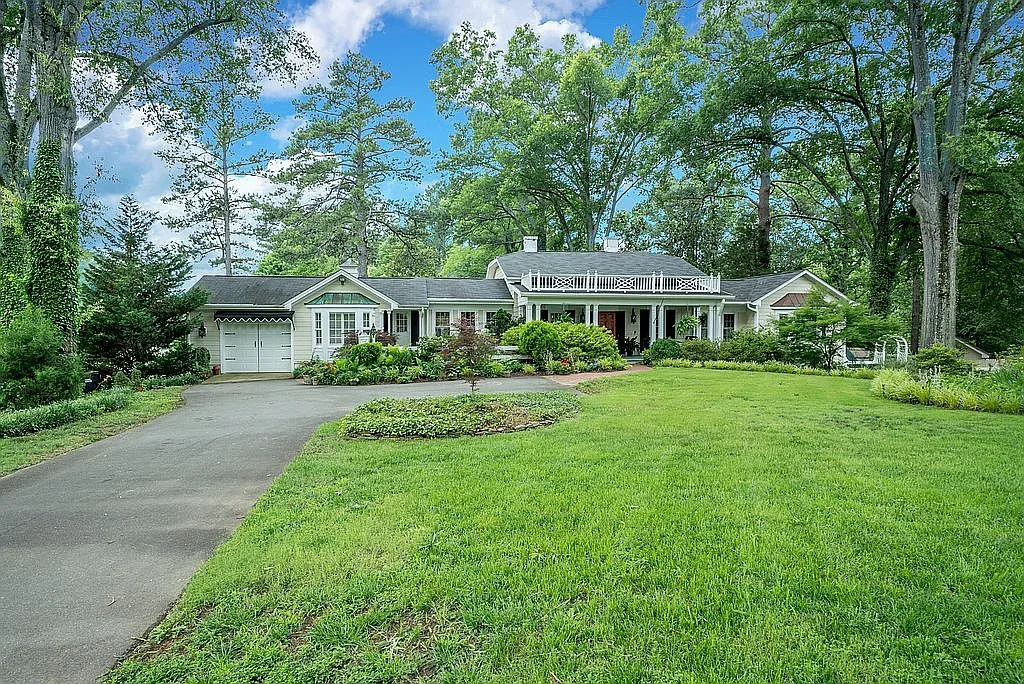
Hope Valley ($485,000-$770,000+)
Overview: Hope Valley is Durham's original premier golf course community, defined by rolling hills, expansive custom lots, and an impressive tree canopy that delivers privacy rarely found so close to the city center.
What to Know: Established in 1926 around the Donald Ross-designed Hope Valley Country Club, this neighborhood represents Durham's standard for classic prestige. The community skews established, attracting Duke physicians, university faculty, executives, and buyers looking for traditional architectural character rather than cookie-cutter subdivisions.
Housing Styles: Architecture in Hope Valley is heavily characterized by mid-century ranch homes, traditional brick colonials, Tudors, and substantial custom estates. Lot sizes are generous, often ranging from half an acre to over two acres. Many 1950s and 60s builds have undergone extensive modern renovations, offering high-end interior upgrades paired with timeless exterior charm.
Why People Move Here: Residents choose Hope Valley for its mature landscaping, country club amenities, and unmatched location. Situated just minutes from downtown Durham, Duke University, and Duke Hospital, it provides an exceptionally short commute without sacrificing privacy or neighborhood elegance.
Tips from Phil
- Homes here move exceptionally fast, averaging roughly 39 days on market. High demand for updated inventory means buyers need pre-approval or proof of funds completely ready before touring.
- Lot size creates huge price variation: A renovated mid-century home on a half-acre lot will price very differently than an estate on two acres bordering the golf course. Factor lot utility into your offer strategy.
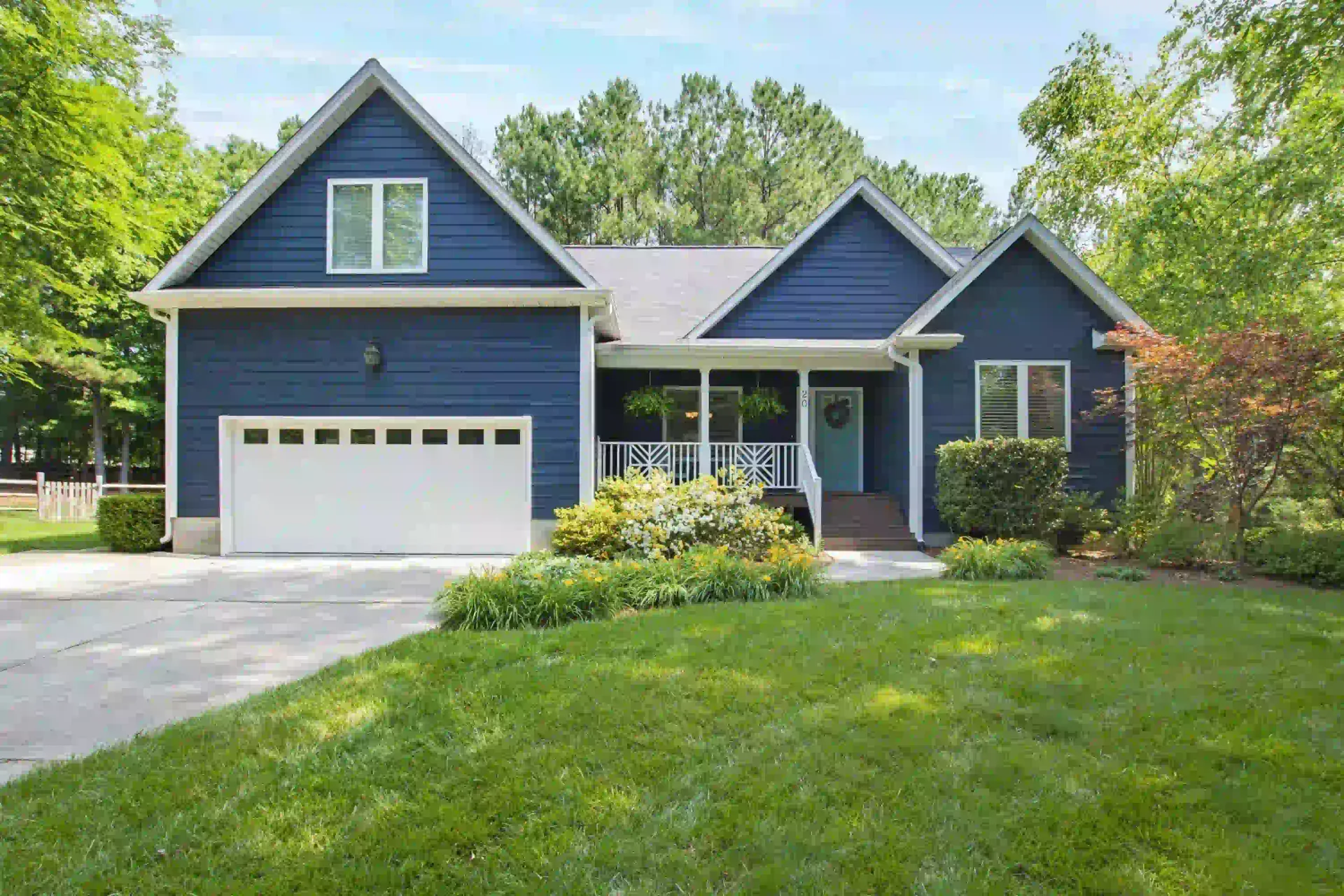
Woodcroft ($300,000s-$700,000)
Overview: First established in 1984, Woodcroft is one of South Durham's largest and most enduring residential communities, comprising approximately 2,000 homes woven together by miles of shaded walking trails.
What to Know: Woodcroft was intentionally designed around natural preservation. Tree-lined streets, community parks, swimming pools, tennis courts, and interconnected greenways give this established neighborhood a classic, welcoming suburban feel that continues to draw long-term residents.
Housing Styles: Options span multi-family condos, attached townhomes, and detached single-family homes built predominantly in the 1980s and 1990s. Architectural styles feature cedar siding, traditional suburban footprints, and contemporary mid-century touches.
Why People Move Here: Woodcroft consistently ranks among the most sought-after communities for families and first-time buyers due to its strong local schools, mature landscaping, active HOA amenities, and rapid resale liquidity (averaging 33 days on market).
Tips from Phil
- Woodcroft is effectively multiple micro-communities: HOA fees, amenity privileges, and maintenance responsibility vary depending on whether you are looking at a condo pocket, townhome pod, or single-family section.
- Trail network is a major selling point: The community trail system connects directly toward the American Tobacco Trail -- a massive lifestyle bonus for cyclists and runners.
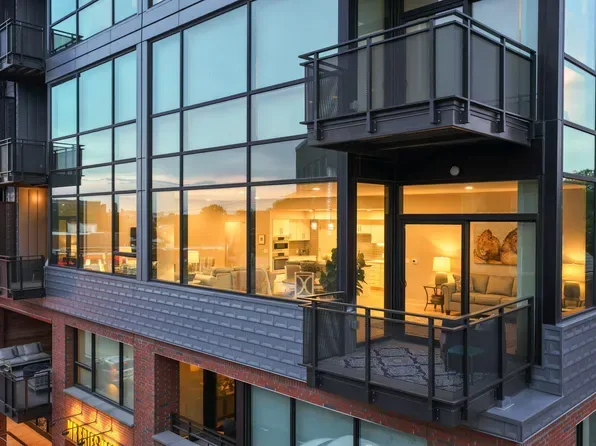
Downtown Durham (Rentals from $1,400/mo; condos vary)
Overview: Downtown Durham is the historic and economic heart of the Bull City - a dense, highly walkable urban core filled with converted tobacco warehouses, vibrant nightlife, award-winning dining, and arts venues.
What to Know: Centered around the iconic American Tobacco Campus and Brightleaf Square, Downtown Durham has undergone a world-class urban revitalization. It draws young professionals, Duke staff, remote workers, and downsizers who want a vibrant, non-car-dependent lifestyle within steps of DPAC, Durham Bulls Athletic Park, and craft breweries.
Housing Styles: Housing is dominated by historic brick loft conversions featuring exposed ductwork and original timber beams, alongside brand-new luxury apartment towers and mid-rise condo complexes. Detached single-family homes are limited and located in adjacent historic pockets like Morehead Hill or Golden Belt.
Why People Move Here: Unmatched walkability and cultural energy. Living downtown puts dozens of nationally acclaimed restaurants, coffee shops, and event spaces right outside your door.
Tips from Phil
- For-sale inventory downtown is tight: While rental apartments are abundant, owned condo inventory is limited. When desirable units list for sale, buyers must be ready to move immediately.
- Factor HOA dues and parking space allocations into your monthly budget: Downtown condo HOA fees typically range higher to cover building security, rooftop amenities, and dedicated garage parking spaces.
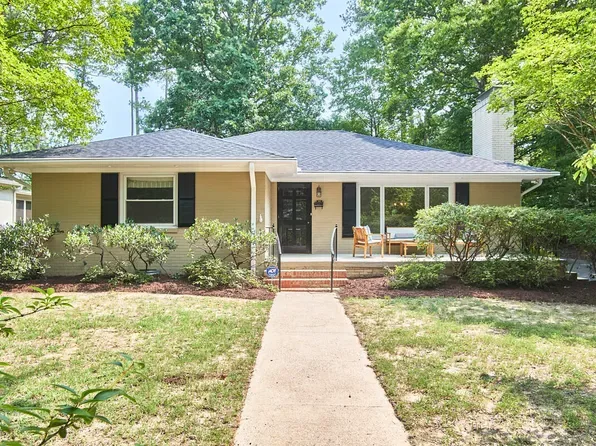
Forest Hills ($400,000-$1,000,000+)
Overview: Forest Hills is an established 1920s enclave built around its namesake park and one of Durham's most sought-after historic neighborhoods. Laid out on farmland along Third Fork Creek as one of Durham's first automobile suburbs, it is now a National Register Historic District prized for historic homes, tree-lined streets, and the rare combination of park life and city proximity.
What to Know: Forest Hills sits inside the Durham beltline, roughly 2 to 3 miles from Duke University and about 1.5 to 2 miles from downtown Durham, so buyers get historic charm with real proximity to the city. Historic character comes with older systems: roofs, HVAC, and plumbing reflect decades of use, so renovated homes sell fast at a premium while unrenovated ones go to buyers who budget for a project.
Housing Styles: An architectural sampler of the 1920s through 1950s, with English Tudors, Colonial Revivals, Craftsman bungalows, Cape Cods, and mid-century ranches, many with deep front porches and brick or stone accents under a towering tree canopy. Typical single-family pricing runs roughly $400,000 to $1,000,000+, with renovated, move-in-ready homes commanding a clear premium.
Why People Move Here: The park is the social center and the commute math is hard to beat. Forest Hills Park brings the public pool, playground and sprayground, tennis and pickleball courts, and wooded walking trails right into the neighborhood, while Duke, downtown, and the freeway to RTP are all minutes away.
Tips from Phil
- The park drives resale: Homes closer to Forest Hills Park and its pool, playground, and trails command the strongest demand and prices. Location within the district matters as much as condition.
- School assignment is address-specific: Durham Public Schools boundaries shift, so verify the exact elementary, middle, and high school for a specific address at dpsnc.net before writing an offer, not the neighborhood's reputation.
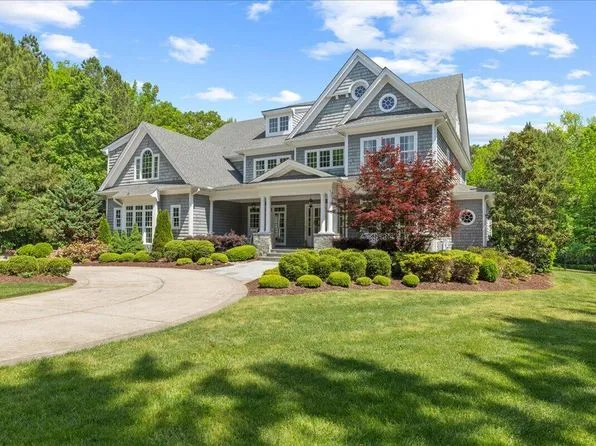
Southpoint (South Durham) ($350,000-$700,000+)
Overview: Southpoint is South Durham's premier retail, commercial, and residential nexus — a bustling suburban hub offering low-maintenance living with instantaneous freeway access.
What to Know: Anchored by The Streets at Southpoint mall — one of the Triangle's major regional destinations with over 150 stores and dining spots — the Southpoint corridor spans multiple master-planned developments. It attracts a broad cross-section of tech workers, young families, and relocators who want modern conveniences right outside their front door.
Housing Styles: The housing stock around Southpoint is extremely varied. You'll find three-story low-maintenance townhomes, garden-style condo developments, and traditional suburban single-family homes built primarily from the early 2000s through present day.
Why People Move Here: Convenience is the primary driver. Sitting directly along I-40 and NC-54, Southpoint provides one of the easiest commutes in the Triangle — put simply, you are 10 minutes from Research Triangle Park (RTP), 15 minutes to RDU Airport, and 15 minutes to downtown Durham.
Tips from Phil
- "Southpoint" is a broad geographic descriptor: It covers dozens of sub-neighborhoods with wildly different HOA structures and tax rates. Always pin down the exact subdivision before comparing home values.
- If you work in RTP, this is top-tier positioning: Budgeting peak-hour travel times is effortless from here compared to coming from North Durham or Chapel Hill.
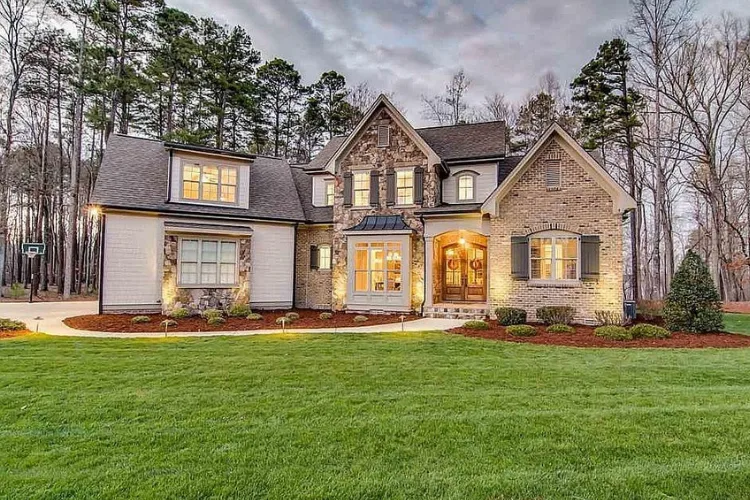
Treyburn ($200,000s-$1.5M+)
Overview: Set across 1,600+ preserved acres in northern Durham, Treyburn is a peaceful resort-style golf community that feels like a private retreat away from urban hustle.
What to Know: Built around Treyburn Country Club's championship course designed by Tom Fazio, this master-planned development is renowned for its scenic beauty, mature woods, and rolling topography. Despite its serene backdrop, it sits just 20 minutes north of downtown Durham and major medical centers.
Housing Styles: Treyburn offers one of the widest ranges of housing options in the county across four sub-neighborhoods: starter homes in Greenview Place, mid-tier single-family properties in Treyburn Forest and Riverwalk, and sprawling custom luxury estates in Treyburn Point boasting golf course or lake views.
Why People Move Here: Buyers move to Treyburn for its country club amenities (golf, tennis, fitness center, dining), wide price spectrum, and expansive lot sizes that deliver a true sense of space and nature.
Tips from Phil
- Identify the sub-neighborhood early: Because pricing spans from $200K starter properties to $1.5M+ luxury estates, pay close attention to which specific sub-section a home sits in, as lot sizes and HOA covenants shift significantly.
- Ideal for North Durham and hospital commutes: If your work lands near Regional Hospital or Duke Main, Treyburn provides a stress-free drive against main traffic flows.
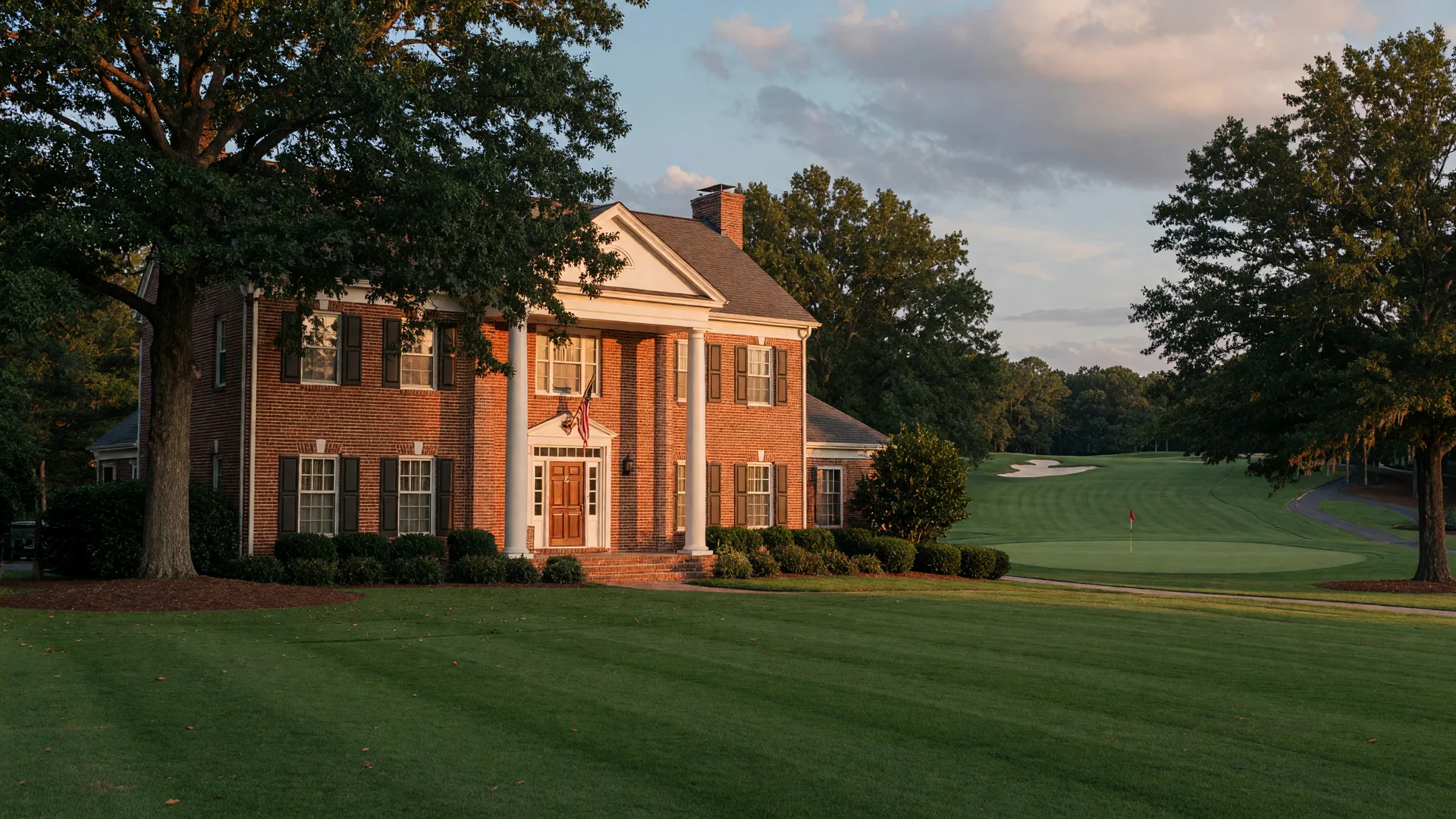
Croasdaile ($360,000-$1.9M+)
Overview: Croasdaile is one of Durham's original country club communities, a golf-course neighborhood in northwest Durham developed from the early 1960s on the grounds of the historic Croasdaile dairy farm and wrapped around Croasdaile Country Club's championship course.
What to Know: Croasdaile Country Club opened in the mid-1960s with a George W. Cobb-designed course and remains the social anchor of the community with golf, tennis, swimming, and dining. The neighborhood sits roughly five miles northwest of downtown Durham with easy access to Duke, I-85, and RTP, and its winding, tree-lined streets hold a mix of longtime owners and newcomers drawn by the club lifestyle.
Housing Styles: Most homes were built from the 1960s through the 1990s: New Traditional and Colonial-influenced brick houses, mid-century ranches, and a range of townhomes and condos near the community entrances. Pricing spans from roughly $360,000 for townhomes and condos to $1.9 million and beyond for estate homes on the course.
Why People Move Here: Golf, pools, tennis, and a lake with a fishing pier give the neighborhood a resort-style calendar, while the location keeps Duke, downtown Durham, and RTP all within an easy commute.
Tips from Phil
- The club defines the tiers: Course-adjacent properties carry the premium pricing, while townhomes and condos near the entrances offer a more attainable entry point into the community.
- Confirm what is included: Country club membership, HOA dues, and amenity access vary by property, so verify exactly what comes with the home before you write the offer.
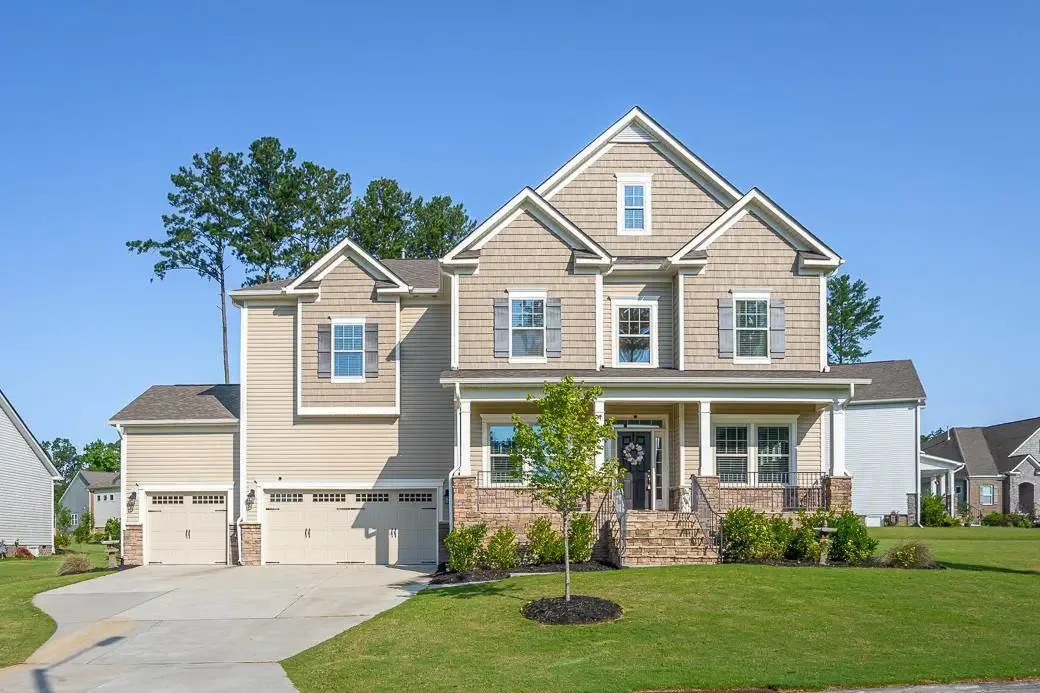
Brightleaf at the Park ($125,000-$549,000)
Overview: Positioned along Highway 70 right near the Durham/Raleigh county line, Brightleaf at the Park is a popular master-planned community designed for easy regional commuting.
What to Know: Established in 2007, Brightleaf offers an active suburban lifestyle with resort-style amenities including a clubhouse, fitness center, competition pool, tennis courts, and playgrounds. Its location puts residents just 10 minutes from RDU International Airport and under 5 miles from Brier Creek Commons.
Housing Styles: Features modern single-family detached homes alongside attached townhomes, with floor plans ranging from efficient 1,270 sq. ft. layouts up to spacious 4,166 sq. ft. family residences.
Why People Move Here: Brightleaf offers exceptional value for money along with a location that makes commuting to either Durham or Raleigh completely hassle-free.
Tips from Phil
- Perfect for split-commute households: If one partner works in downtown Raleigh or Brier Creek and the other works in RTP or Durham, Brightleaf splits the distance perfectly.
- Strong entry-level price point: This community remains one of the more accessible entry points for modern construction quality near the RTP corridor.
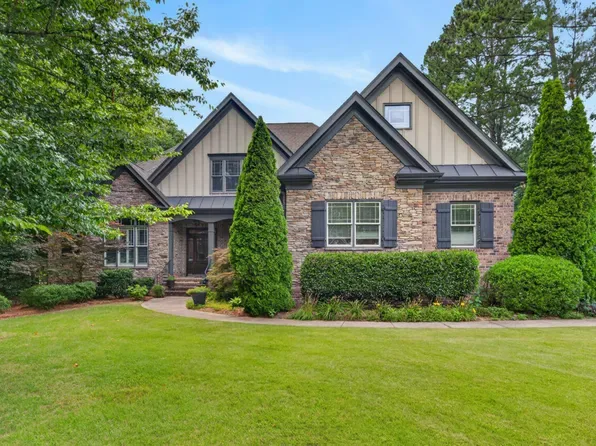
The Hills at Southpoint ($500,000s-$1M+)
Overview: Established in 2009, The Hills at Southpoint represents one of South Durham's premier modern luxury subdivisions, combining large home footprints with prime location access.
What to Know: Situated just south of I-40 and minutes from Southpoint Mall, this community attracts executives, tech professionals, and growing families seeking upscale suburban living with modern architectural layouts and top-tier neighborhood finishes.
Housing Styles: Features large executive ranch and two-story homes spanning from 2,000 up to 6,600 square feet on generous 0.2 to 0.5-acre lots.
Why People Move Here: Relocators choose this neighborhood for its newer construction age relative to older South Durham luxury subdivisions, direct American Tobacco Trail connection, and rapid access to RTP and RDU Airport.
Tips from Phil
- High demand for move-in ready inventory: As one of the newer luxury products along the Tobacco Trail corridor, well-priced listings draw strong interest quickly — be prepared for competitive negotiation.
Honorable Mentions
Durham has more distinct neighborhoods than any single guide can cover in depth. Here are several more highly requested communities worth keeping on your radar:
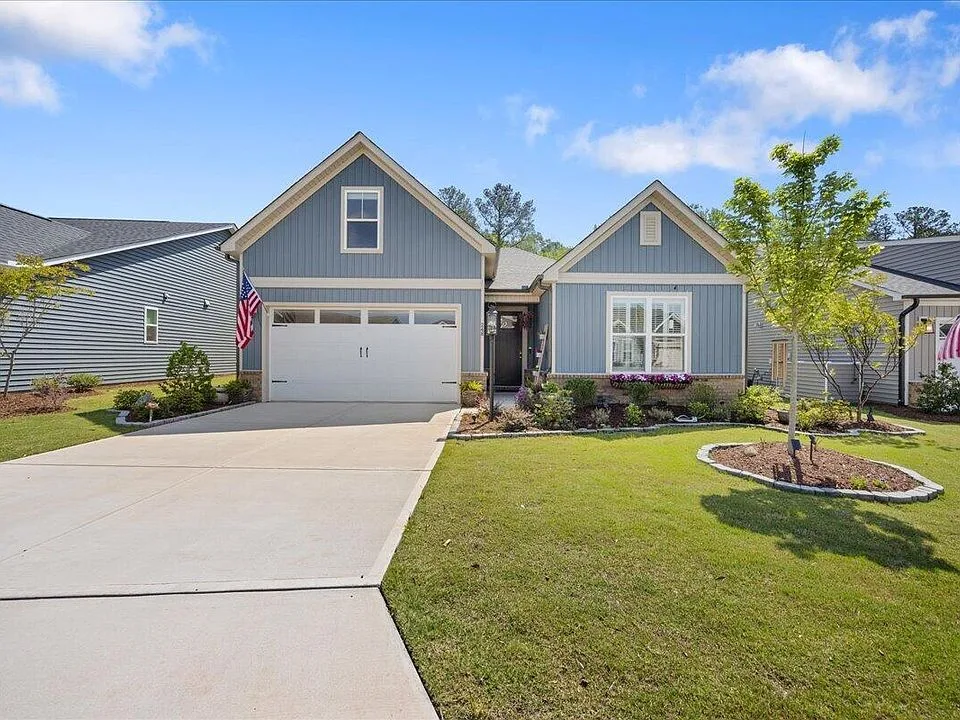
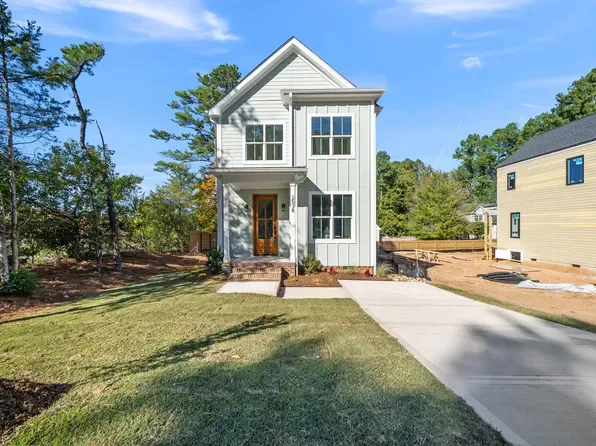
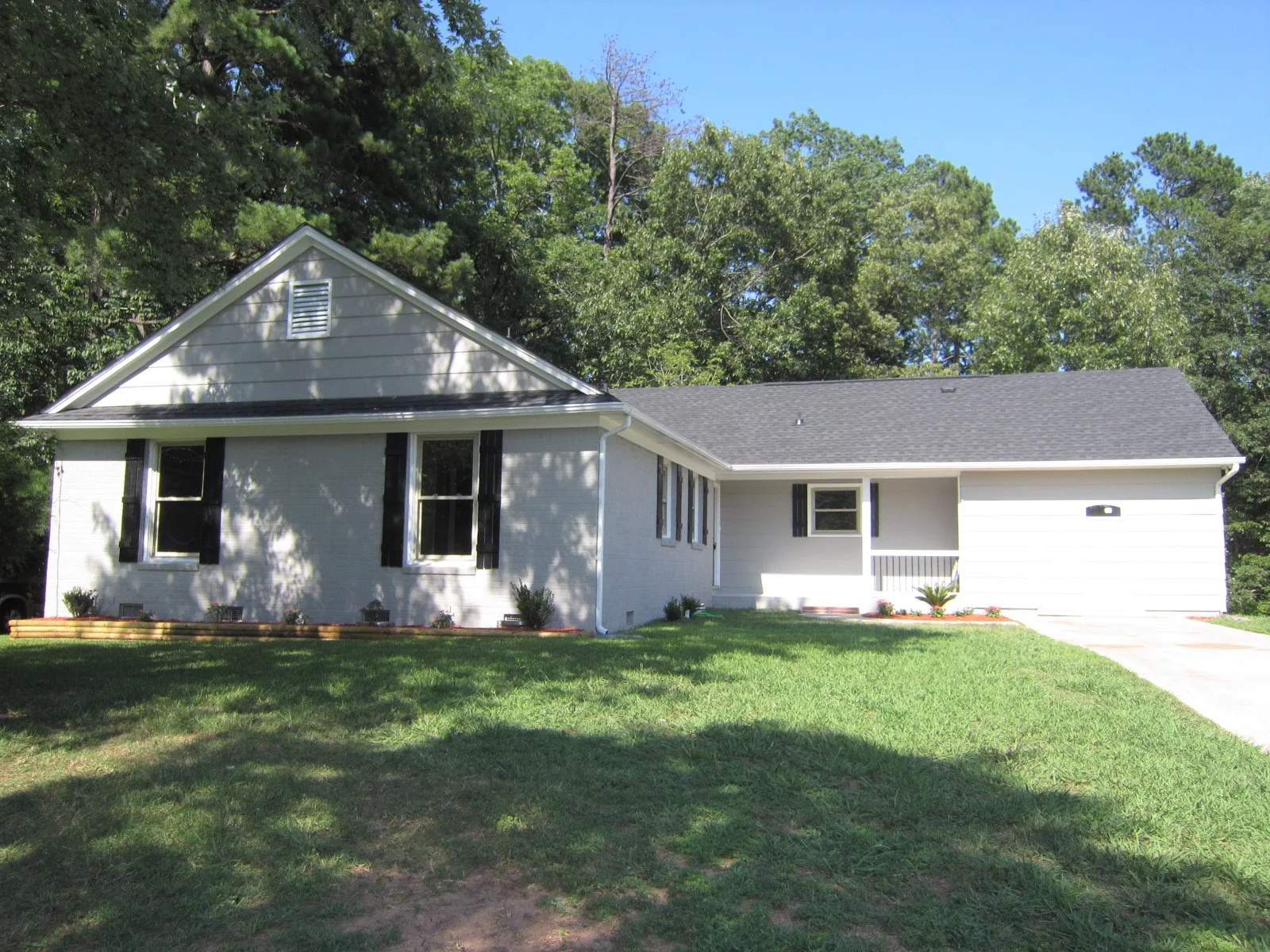
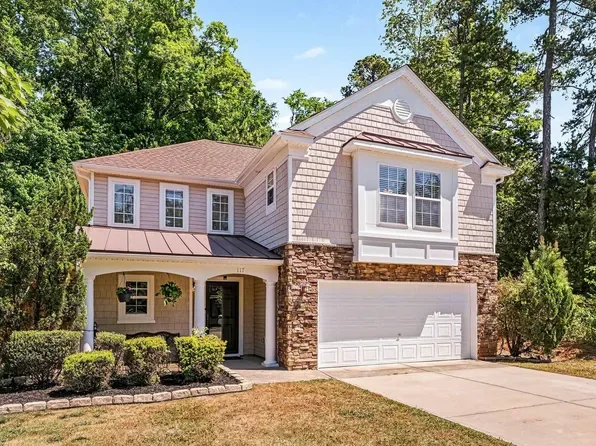
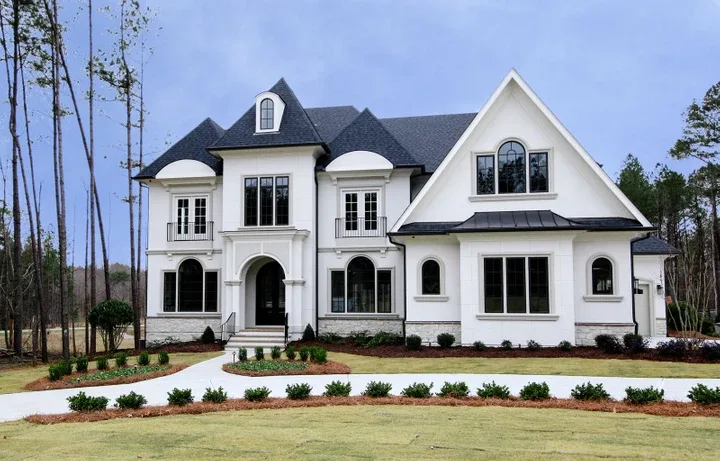
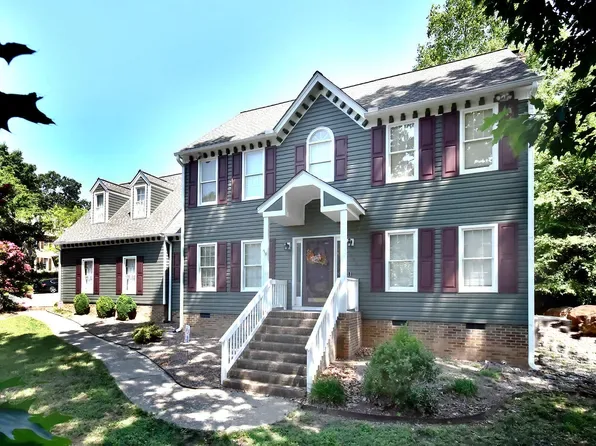
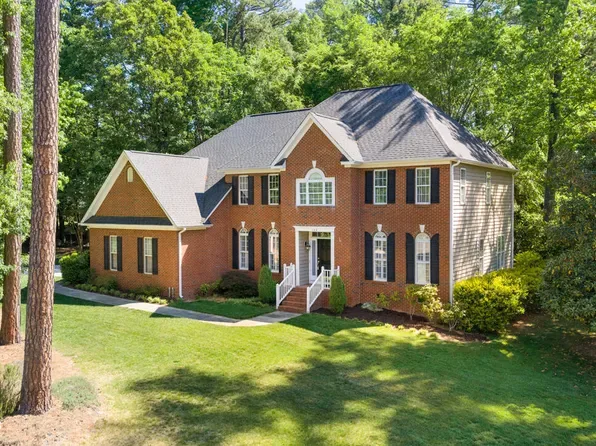
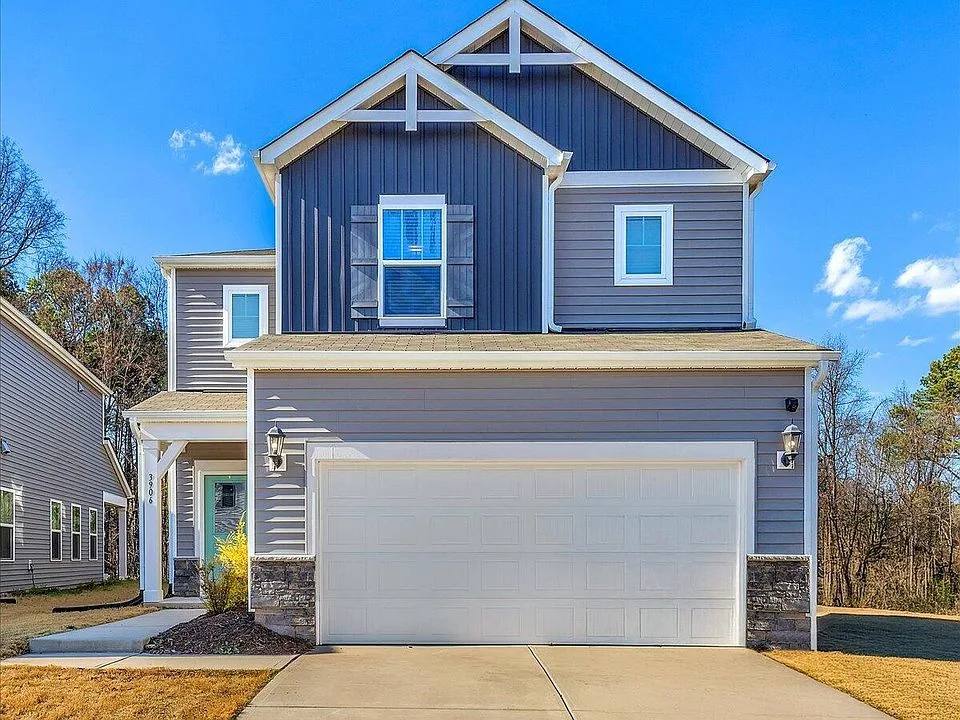
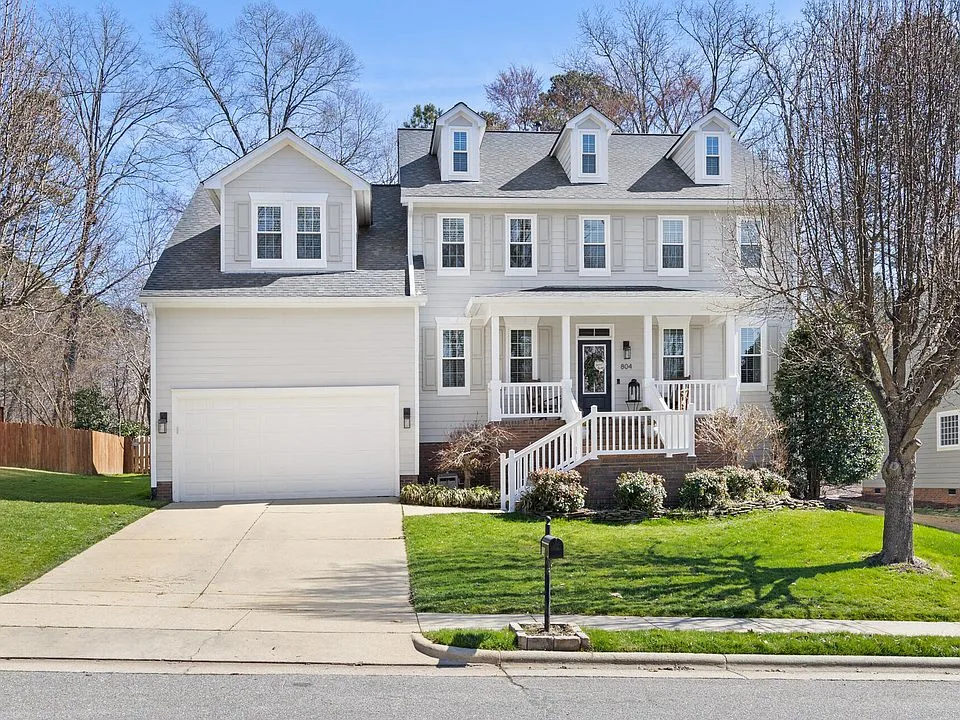
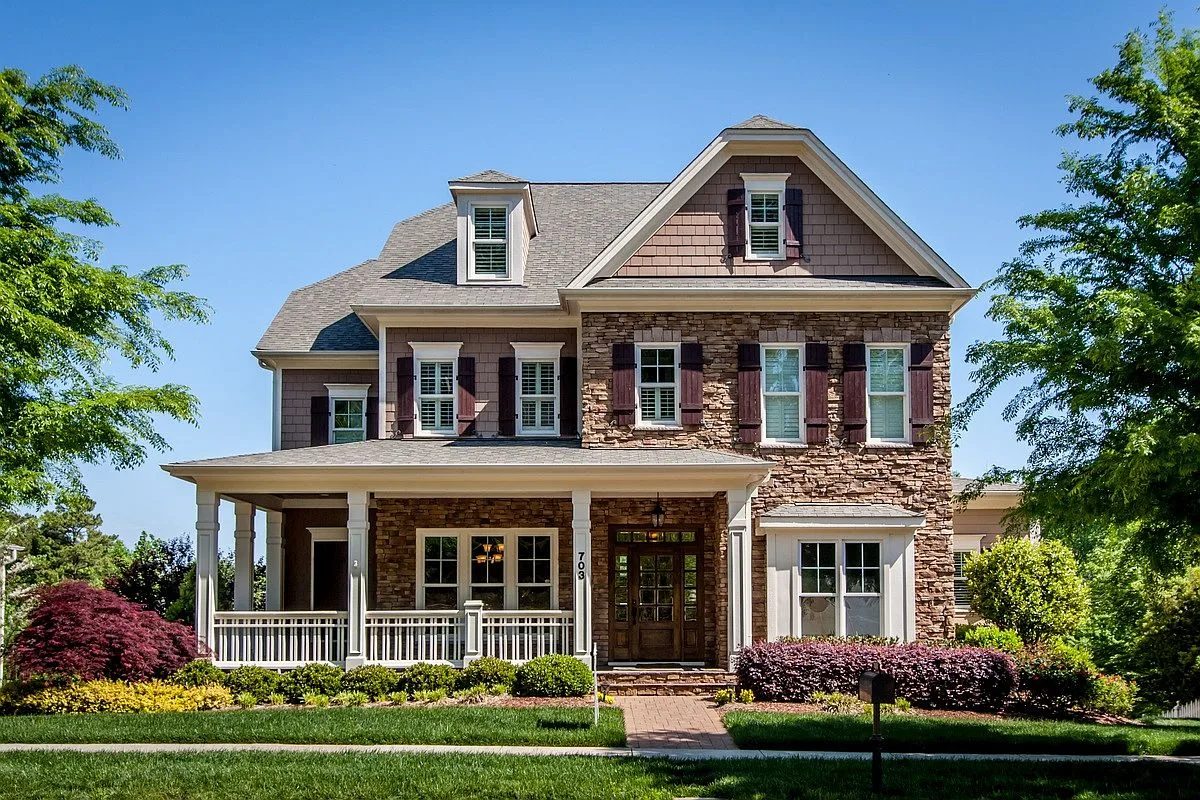
Neighborhood Selection Tips from Phil
Three things I tell every Durham buyer before they start touring:
Historic Character vs. Southern Corridor Infrastructure Inside the 147 loop means walkability, historic tobacco lofts, tree-lined mill bungalows. South toward Southpoint means larger modern floor plans, active HOA amenities, newer construction.
Drive Your Commute at 8:00 AM North Durham near Treyburn has very different morning travel than NC-54 or I-40 corridor. Test reality during peak hours.
Understand Durham City vs. County Tax Rates Durham County carries lower combined rate than Durham City limits. Verify at dconc.gov before submitting an offer.
CRITICAL: Verify School Assignments Yourself
Always verify with Durham Public Schools (DPS) using exact property street address. Redistricting and magnet shifts mean boundaries can change.
Planning a Move to Durham?
Save up to $15,000 in equity.
Triangle
Areas
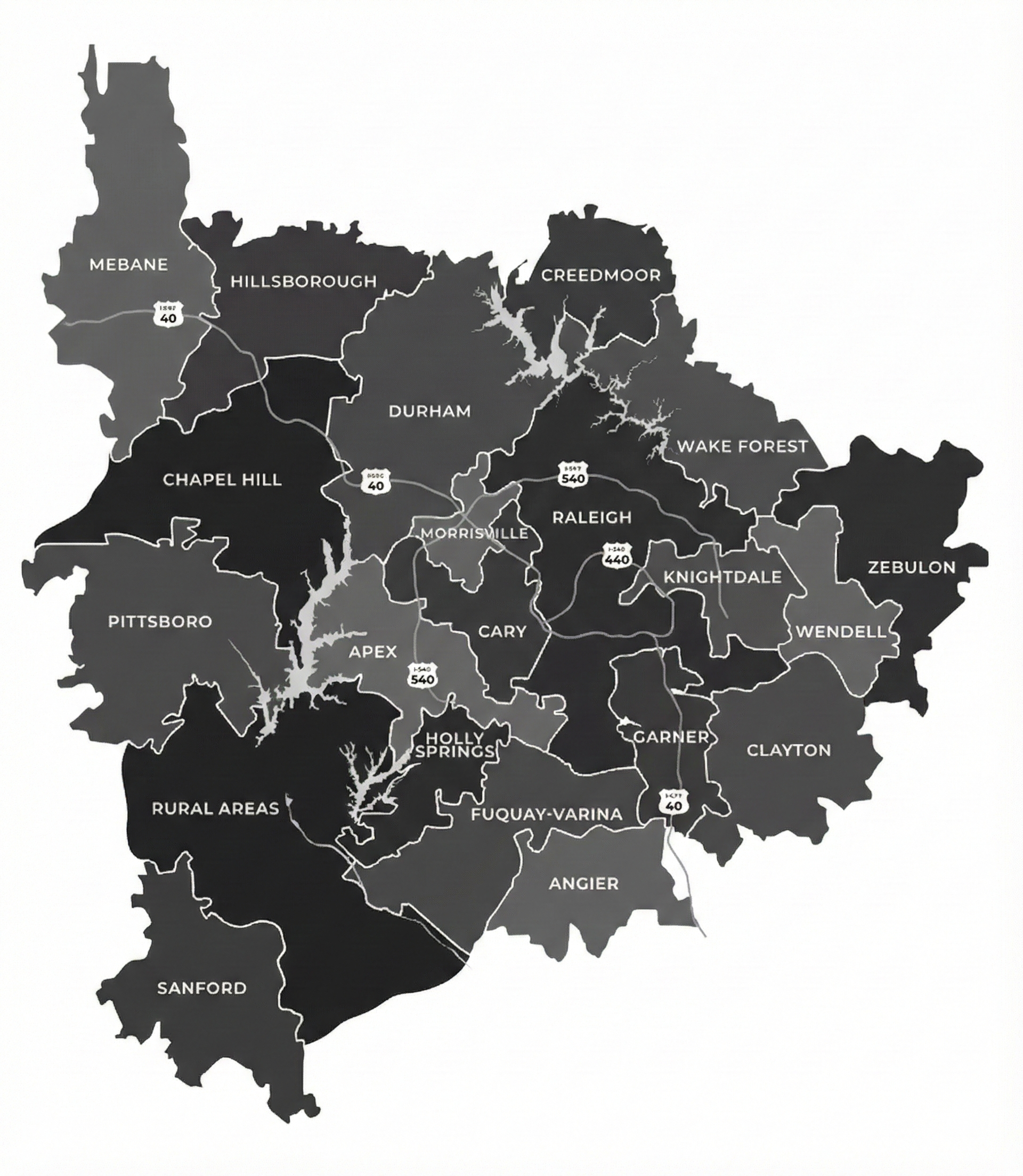
How Durham Compares to Other Triangle Cities
See how Durham stacks up against the Triangle's other top relocation destinations across the metrics that matter most to buyers.
| Metric | Durham | Raleigh | Chapel Hill | Cary | Hillsborough |
|---|---|---|---|---|---|
| Median Home Price | $460K | $475K | $825K | $698K | Varies |
| Tax Rate (per $100) | $0.9913 | $0.9091 | $1.2862 | $0.8771 | $1.1513 |
| School Ratings | Varies | Strong | Top | Top | Good |
| Commute to RTP | 10-15 min | 20-30 min | 15-20 min | 10-20 min | 15-25 min |
| Population | 317K+ | 476K+ | 62K+ | 180K+ | 9K+ |
| Walkability | Moderate | Moderate | High | Low | Low |
| Buyer Profile | Diverse | Mixed | Prof/Educ | Families | Relaxed |
| New Construction | Moderate | High | Low | Moderate | Moderate |
| Lot Sizes | Moderate | Small-Med | Small | Small-Med | Large |
Data is approximate and based on current market conditions. Verify with Phil for the latest numbers.
Choose Raleigh Over Durham If:
- You want WCPSS schools and a broader suburban footprint
- You need state government or downtown corporate work
- You prefer a larger, more traditional city environment
Choose Chapel Hill Over Durham If:
- Top-tier public schools are your top priority
- UNC affiliation or campus life matters to you
- You want a classic college town feel with higher walkability
Choose Cary Over Durham If:
- You are looking for the highest-rated public schools
- You want low taxes and a master-planned suburban feel
- Proximity to both RTP and Raleigh is essential
Choose Hillsborough Over Durham If:
- You want larger lots and more space between neighbors
- A small-town historic feel matters more than urban amenities
- You want Durham proximity with a quieter, rural pace
Choose Wake Forest Over Durham If:
You want a rapidly growing suburb with newer construction, strong WCPSS schools, and a family-oriented community -- and you are willing to accept a longer commute to RTP and Durham for the trade-off.
Cost of Living in Durham, NC (2026)
Durham offers one of the best value propositions in the Triangle. Here is what you can expect to pay for housing and daily living in 2026.
Property Tax Rates (Durham County)
| Taxing Authority | Rate per $100 |
|---|---|
| City of Durham | $0.6426 |
| Durham County | $0.8580 |
| Total Combined Rate | $1.5006 |
On a median-priced $460,000 Durham home, annual property taxes are approximately $6,903 (about $575 per month).
North Carolina Tax Advantages
- No state estate tax
- Low income tax rate of 3.99%
Monthly Cost Breakdown for a $460K Home
Based on a 6.5% mortgage rate with 20% down, here is what monthly expenses look like for a median-priced Durham home.
| Expense Category | Monthly Cost |
|---|---|
| Mortgage (6.5%, 20% down) | ~$2,326 |
| Property Tax | ~$575 |
| Homeowner's Insurance | ~$130 |
| HOA | $50-$200 |
| Groceries | $400-$550 |
| Utilities | $200-$300 |
| Transportation | $200-$300 |
| Dining | $200-$400 |
| Healthcare | $250-$450 |
| Total Estimated | $4,330-$5,130 |
"Durham offers one of the best value propositions in the Triangle. You get Duke University in your backyard, a nationally recognized food scene, and access to RTP -- all at a price point that is significantly more accessible than Cary or Chapel Hill."
Phil Slezak -- Broker, Phil Slezak Real Estate
Schools in Durham, NC -- What Buyers Need to Know
Durham Public Schools (DPS) serves the majority of Durham, operating 74 public schools for 44,920 students for the 2026 school year. Durham County also features a robust school choice market, anchored by 16 charter schools ($47.5M in local funding) and 37 private schools serving 7,715 students.
WCPSS is not the district here. Durham operates its own independent school district: Durham Public Schools (DPS). This is a key structural difference from Cary, Raleigh, and other Wake County communities.
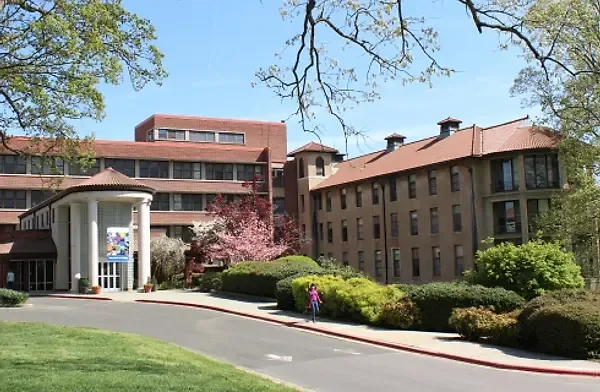
Three Rules for Durham School Research
Always look up the exact address at dpsnc.net -- school assignments are address-specific.
Evaluate performance neighborhood by neighborhood -- school quality varies across Durham more than in WCPSS.
School assignments can shift -- verify current assignments before making an offer, not after.
Elementary and Middle School Feeder Patterns
Elementary attendance zones in Durham feed into specific middle school clusters. Buyers targeting a particular high school should trace the feeder path from elementary through middle school before settling on a neighborhood.
Key Elementary Schools
- Parkwood Elementary
- Hope Valley Elementary
- Forest View Elementary
- Club Boulevard Elementary
- Eastway Elementary
Middle School Feeder Notes
Key DPS middle schools include Githens, Lowe's Grove, and Sherwood Githens. Each draws from a defined set of elementary attendance zones.
Durham High Schools Worth Knowing
- J.D. Clement Early College -- Early college high school on a community college campus, small cohorts
- Research Triangle High School -- STEM-focused charter in RTP
- Durham School of the Arts (DSA) -- Magnet school with strong arts programs
- Jordan High School -- Comprehensive DPS high school serving South Durham
- Riverside High School -- Comprehensive DPS high school serving central and north Durham
Charter and Private Options Overview
Durham's non-DPS sector is unusually robust for a city its size, offering parents alternatives across academic models, values, and price points.
- Durham Academy -- PreK-12 independent, college prep, multiple campuses
- Duke School -- PreK-8, project-based learning, Duke-affiliated
- Trinity School of Durham -- K-12 classical Christian education
Charter and Private School Options
Durham's school choice ecosystem spans public charters, private independents, and specialty academies. This diversity means parents can often find the right academic fit without relocating -- provided they plan ahead for application timelines and waitlists.
Durham Charter School
K-8 public charter, lottery enrollment. A well-regarded option for families seeking smaller class sizes within the public system.
Research Triangle High School
STEM-focused public charter located in RTP. Project-based curriculum with strong science and technology pathways.
NC School of Science and Math (NCSSM)
Nationally ranked residential public high school. Statewide admission, Durham campus. Highly competitive entry for juniors and seniors.
Duke School
PreK-8 private, Duke-affiliated, progressive project-based model. Located near Duke's East Campus.
Carolina Friends School
K-12 Quaker-affiliated school emphasizing progressive education, community values, and experiential learning on a wooded campus.
Montessori Community School
K-8 private Montessori school in Durham offering authentic Montessori curriculum and mixed-age classrooms.
Lottery and Timeline Note
Charter schools use lottery-based enrollment. Applications typically open in January for the following school year. Verify enrollment timelines and waitlist status before committing to a neighborhood.
Critical Note
Durham Public Schools (DPS) is a separate district from Wake County. Always verify at dpsnc.net before submitting an offer.
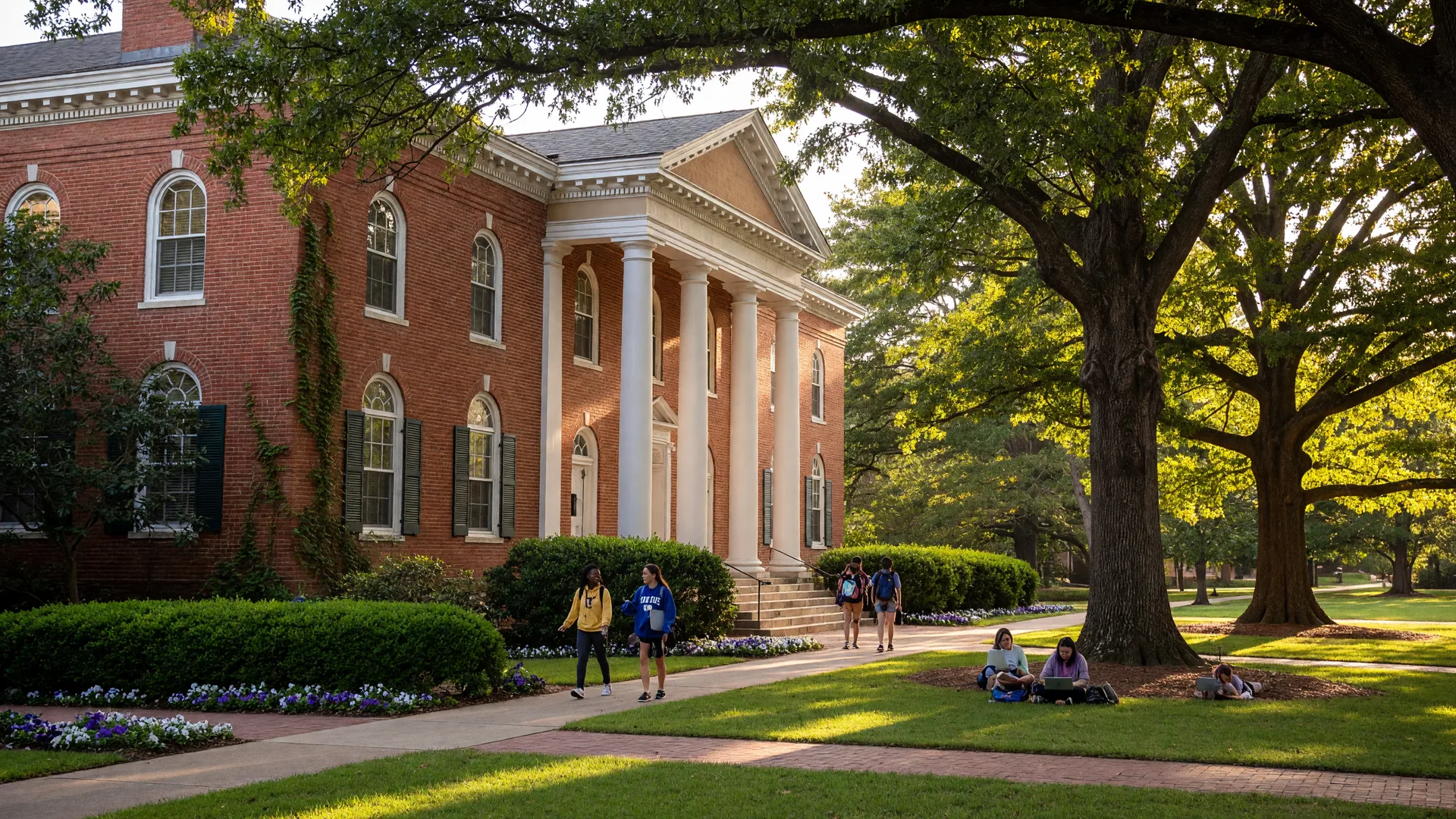
"School assignments in Durham are address-specific and can shift between academic years. Never fall in love with a house based on a school assignment you have not verified. Use the DPS address lookup at dpsnc.net, or call DPS directly to confirm what school your child would attend before submitting an offer."
Phil Slezak -- Real Estate Broker
*Verify current school assignments directly with Durham Public Schools before making any purchase decision based on a specific school.
Parks and Outdoor Living in Durham, NC
Durham's outdoor amenity package offers a rare blend of massive, undisturbed state parks, world-class botanical gardens, vast university research forests, and an expanding greenway network. For relocation buyers, the city's natural, unmanufactured outdoor environment is consistently one of Bull City's biggest lifestyle differentiators.
Piedmont Crown Jewels
Unlike standard manicured suburban parks, Durham is anchored by large-scale, natural ecosystems right within city limits.
Eno River State Park
Over 4,300 acres, 20+ miles of hiking trails, natural swimming holes, canoeing, fly fishing, primitive camping
Sarah P. Duke Gardens
55 acres, world-class botanical beauty, free daily, 600,000+ visitors annually

Expansive Forests and Family Attractions
Beyond the signature parks, Durham is surrounded by expansive natural reserves and interactive outdoor learning centers that offer year-round recreation and discovery for all ages.
Duke Forest
7,000+ acres, public access for hiking, trail running, cycling, equestrian
Museum of Life + Science
84-acre outdoor science park, butterfly house, dinosaur trail
Hollow Rock Nature Park
Rugged trail loops, river views, natural rock formations
Duke Lemur Center
World's largest lemur sanctuary outside Madagascar, 200+ lemurs on 80 acres

Greenways and Urban Trail Systems
Durham's expanding greenway master plan connects neighborhoods, parks, and commercial districts through a growing network of paved multi-use trails that double as both recreational corridors and active commute routes.
American Tobacco Trail
22-mile paved rail-trail, cycling, running, commuting
Third Fork Creek Trail
Connects South Durham communities to Southpoint
Ellerbe Creek Trail
North Durham to downtown parks
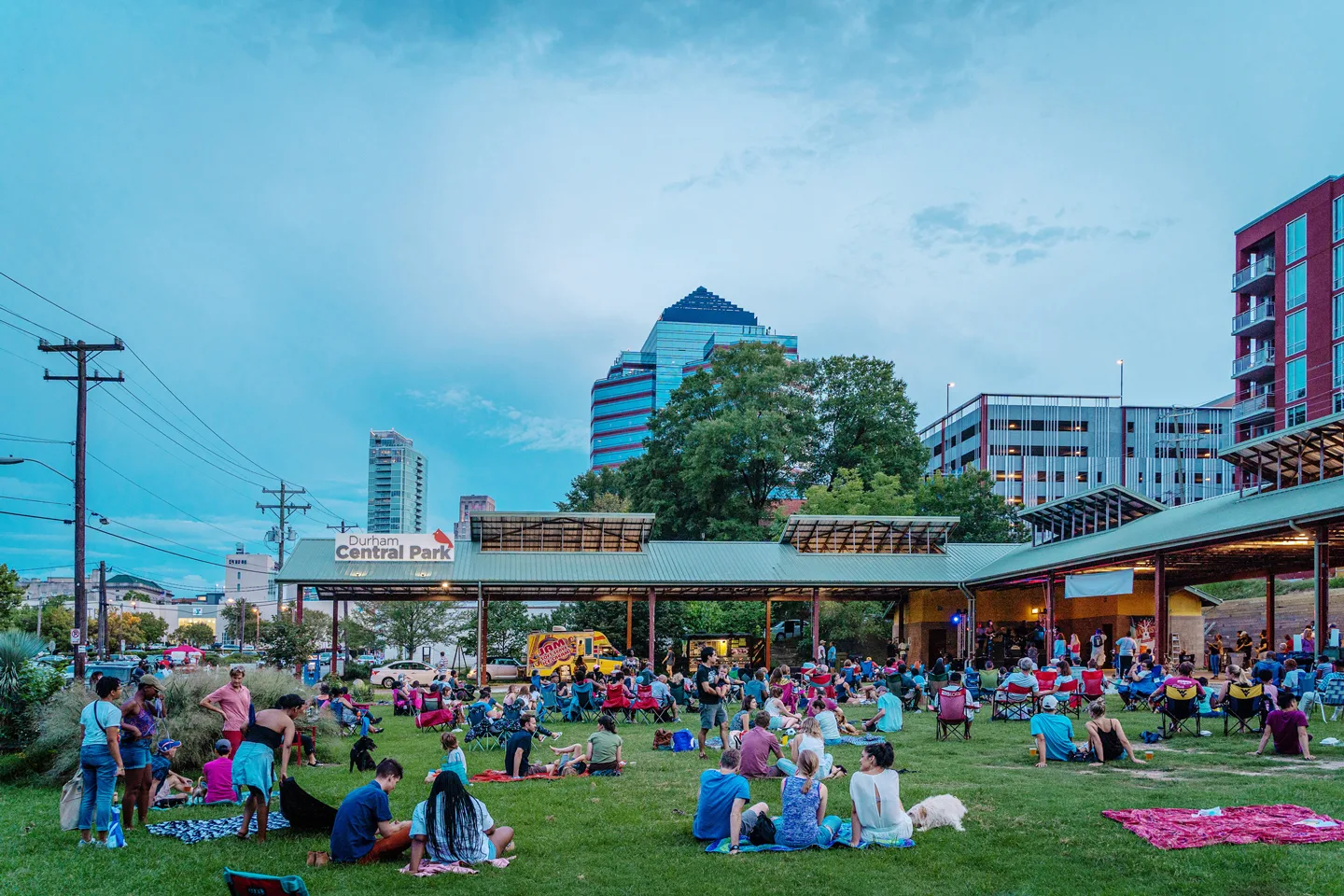
Durham Central Park
5-acre urban green space, farmers market, concerts
Regional Lake Access and Water Recreation
Durham's central Triangle location puts multiple major reservoirs and recreation areas within an easy drive, offering boating, fishing, swimming, and camping for residents who want to get out on the water.

Jordan Lake
15-20 min southwest
14,000-acre reservoir, boating, swimming, camping, bald eagle watching
Falls Lake
20-25 min north
26,000-acre reservoir, hiking, paddling, fishing
Lake Michie and Little River
Municipal reservoirs
Kayaking, electric-motor boating, shoreline fishing
"Durham's outdoor access is one of its best-kept advantages. Falls Lake and Eno River State Park are both within 15 minutes of downtown, Sarah P. Duke Gardens is completely free to the public, and the American Tobacco Trail is one of the premier urban rail-trails in the state."
"For relocation buyers who prefer real river rapids, deep forest hiking, and botanical gardens over manicured suburban parks, Durham delivers an outdoor quality of life that no other Triangle city can match."
Phil Slezak, Broker, Phil Slezak Real Estate
Amenities and Community Services: The Durham Standard
Durham has undergone one of the most dramatic urban transformations of any American city its size over the past two decades. In 2026, the combination of the American Tobacco District, a nationally recognized culinary scene, expanding healthcare infrastructure, and the Hub RTP development means the "post-industrial city still figuring itself out" narrative no longer applies. Durham has arrived -- and buyers are relocating specifically because of it.
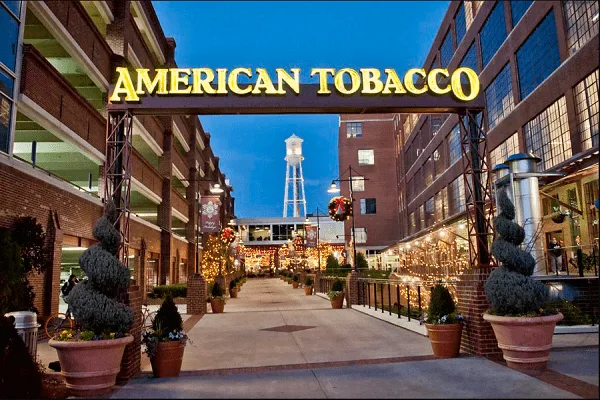
American Tobacco Campus -- The Commercial and Cultural Anchor
The conversion of the historic American Tobacco Company complex into Durham's premier mixed-use district set the national template for adaptive reuse -- and remains the physical heart of what makes Durham distinct.
The Vibe
A genuine urban district built inside 19th-century brick tobacco warehouses. Office tenants, James Beard-nominated dining, live music, DPAC, and Durham Bulls all within walking distance.
Key Anchors and Venues
DPAC, Durham Bulls Athletic Park, Motorco Music Hall, Fullsteam Brewery, Cocoa Cinnamon, Zweli's Ekhaya, dozens of independent restaurants and bars.
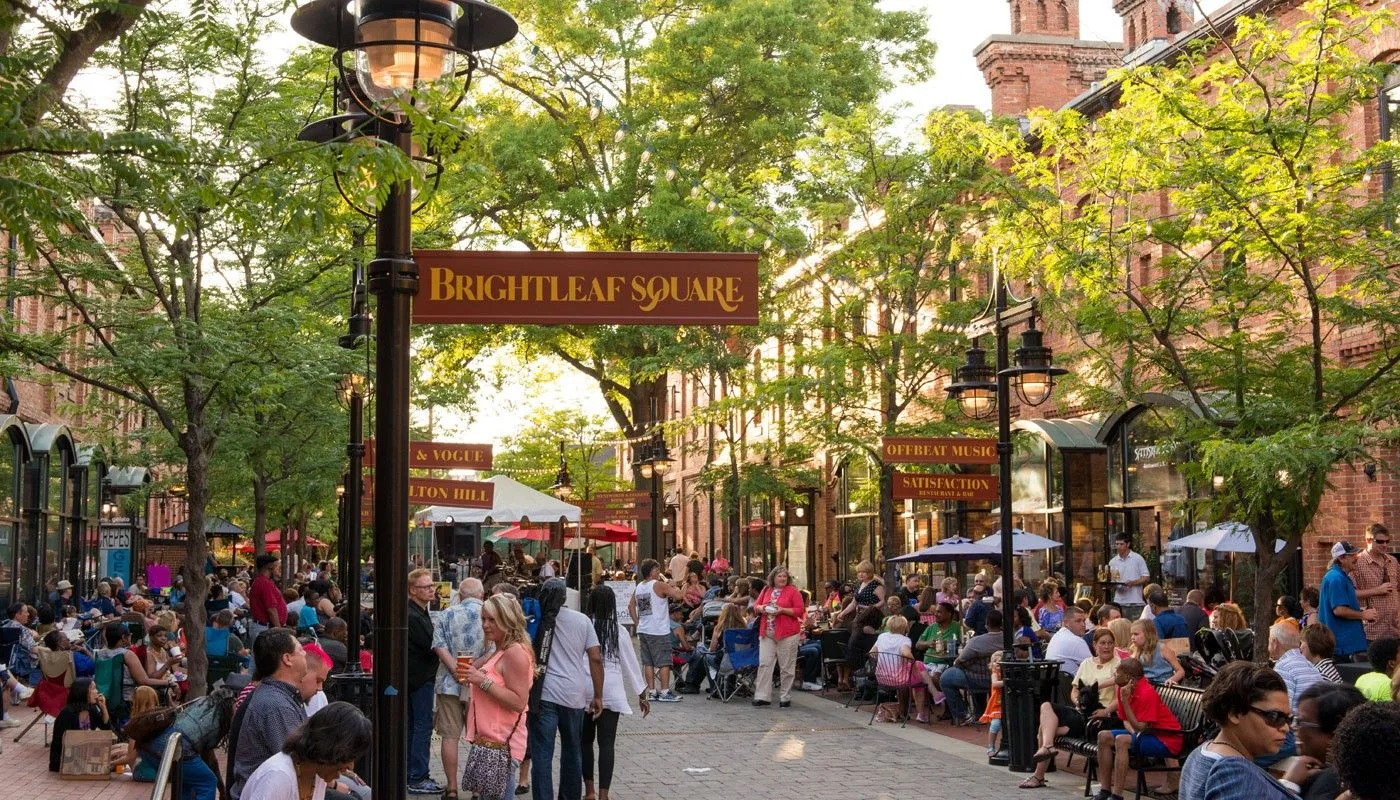
Downtown Durham and Brightleaf Square
The broader downtown core extends beyond American Tobacco into a walkable district of converted warehouse spaces, independent businesses, and neighborhood institutions.
The Durham Food Hall
12-vendor food hall with diverse culinary experiences
Brightleaf Square
Two restored 1904 tobacco warehouses, boutique dining and retail
Independent Music Scene
The Pinhook and Motorco anchor a vibrant music scene
The Durham Hotel Rooftop
The Triangle's iconic rooftop lounge
The Hub RTP development has transformed Research Triangle Park's interior into a walkable, mixed-use district featuring retail, residential apartments, outdoor programming, and entertainment. Sitting at RTP's western gateway, Durham residents access this amenity base faster than any other Triangle municipality.
The Durham Healthcare Network
Durham is home to one of the strongest healthcare ecosystems in the United States -- anchored by Duke University Health System.
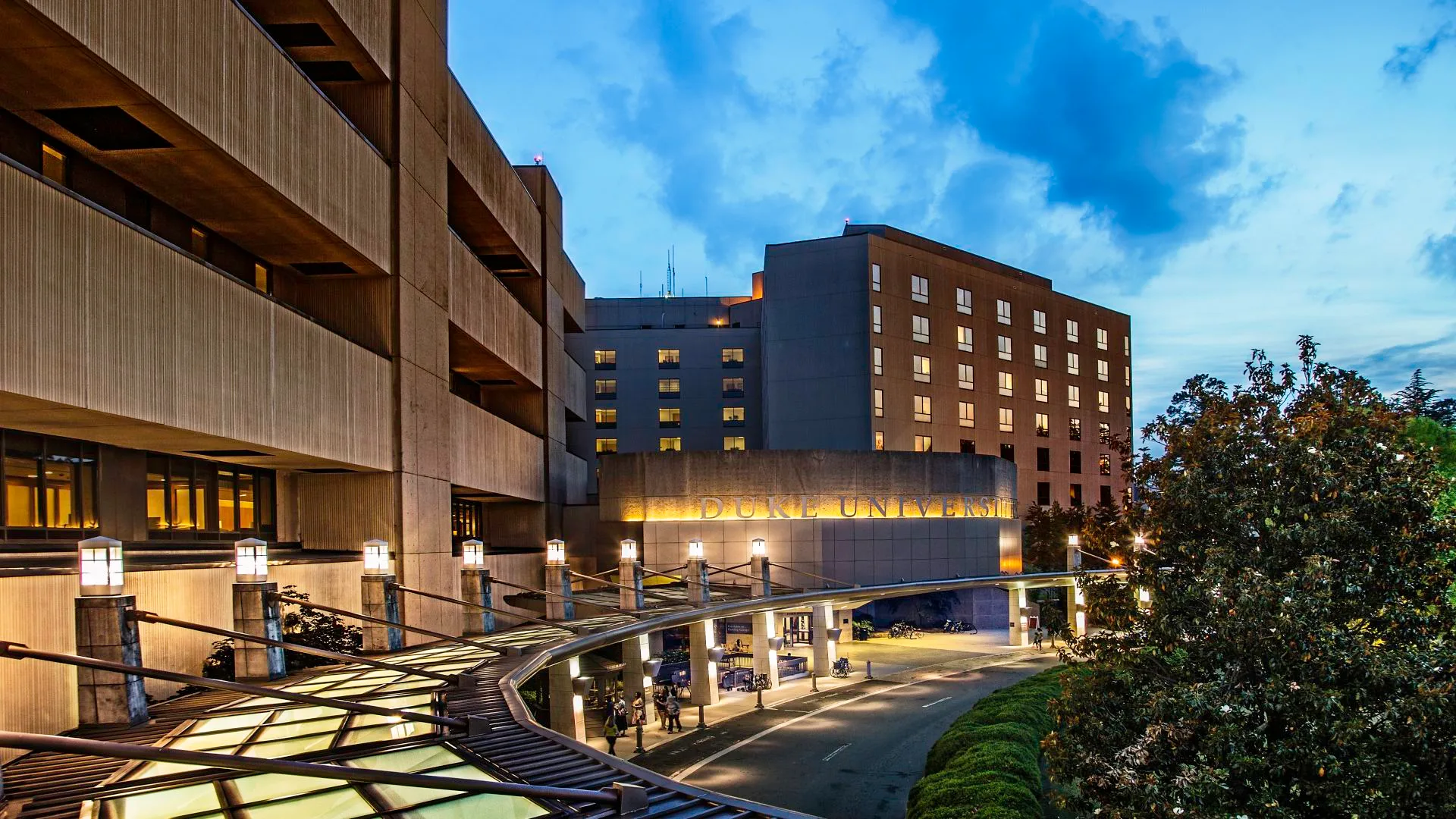
Duke University Hospital
Level I trauma center, nationally ranked oncology, cardiology, neurology, surgery
Duke Cancer Institute
One of only 53 NCI-designated Comprehensive Cancer Centers
Duke Children's Hospital
Top-ranked pediatric care facility
Duke Regional Hospital
Full-service community hospital with 24/7 emergency care
The Durham Event Calendar
Durham Bulls Baseball: 72 home games April-September
DPAC Programming: 200+ performances annually
Full Frame Documentary Film Festival
Centerfest Arts Festival
American Dance Festival at Duke
Durham Farmers Market at Durham Central Park
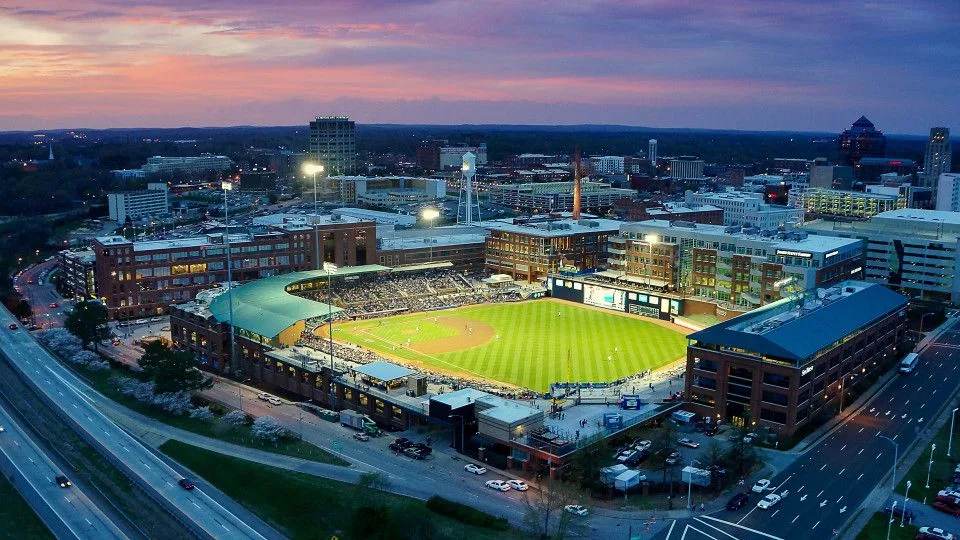
"For the quintessential Durham evening, start with Bantu tapas and cocktails at Zweli's Ekhaya or dinner at NanaSteak on the American Tobacco Campus side of downtown, then walk over to Motorco for live music or catch a Durham Bulls game on a warm summer night. It's an evening experience that genuinely surprises buyers expecting a typical mid-sized Southern town -- because Durham outgrew that label years ago."
Phil Slezak -- Broker, Phil Slezak Real Estate
Amenities as a Buyer Consideration
Trinity Park / Forest Hills / Old West Durham
Best walkable daily living
Downtown / Brightleaf
Zero-drive access, highest walkability
Hope Valley / Woodcroft / South Durham
10-15 min to downtown, 5 min to Southpoint
East Durham / Walltown
Emerging corridors, strongest price-to-proximity ratio
Treyburn / Colvard Farms / North Durham
20-25 min from downtown, closest to Eno River and Falls Lake
The Durham Dining Scene -- Bull City Food Culture
Durham is not just a good food city for its size. It is a nationally recognized culinary destination -- celebrated by the New York Post as the "Foodie Capital of the South" and consistently featured in Bon Appetit, Food & Wine, and The New York Times as one of America's most compelling places to eat.
Michelin-Recognized Durham Standouts
In 2024, the Michelin Guide expanded into North Carolina, shining a national spotlight on Durham's culinary excellence. Several Bull City restaurants earned Michelin recognition, cementing Durham's status as a serious food destination on the national stage. These are the restaurants putting Durham on the global culinary map.

The Michelin Guide highlights Durham's inventive, chef-driven culinary landscape.
Downtown Durham -- Chef-Driven Local Icons
Downtown Durham's compact, walkable core delivers one of the highest concentrations of chef-driven, critically acclaimed restaurants in the Southeast. James Beard nominees, national award winners, and locally beloved institutions line the streets of the Bull City's historic center -- each one a reason to move here.
Mateo Bar de Tapas
Spanish tapas, Alton Brown endorsed
Mothers & Sons Trattoria
Italian fine dining, handmade pasta
M Sushi
High-end seasonal seafood, OpenTable Top 100
Pizzeria Toro
Wood-fired Neapolitan pies
Dame's Chicken & Waffles
Durham original since 2010, Food Network
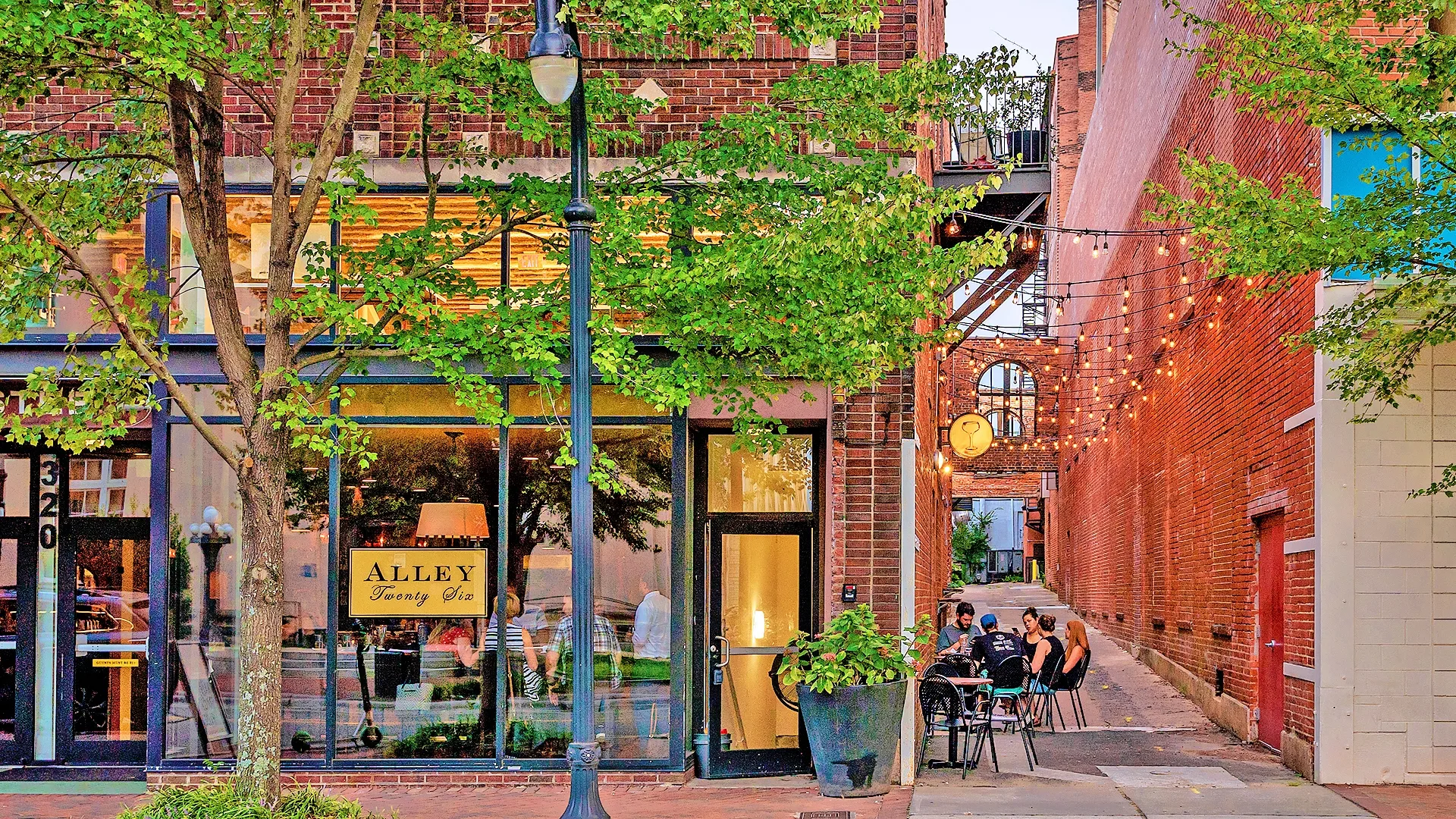
Alley Twenty Six
James Beard finalist for Outstanding Bar Program
District Corridors and Casual Favorites
Durham's culinary culture extends well beyond downtown. Distinct neighborhood corridors offer their own dining identities, from craft breweries and food halls in the revitalized tobacco district to globally inspired cafes and taquerias in the university neighborhoods.
American Tobacco Campus and Brightleaf Square
South Durham and Ninth Street Districts
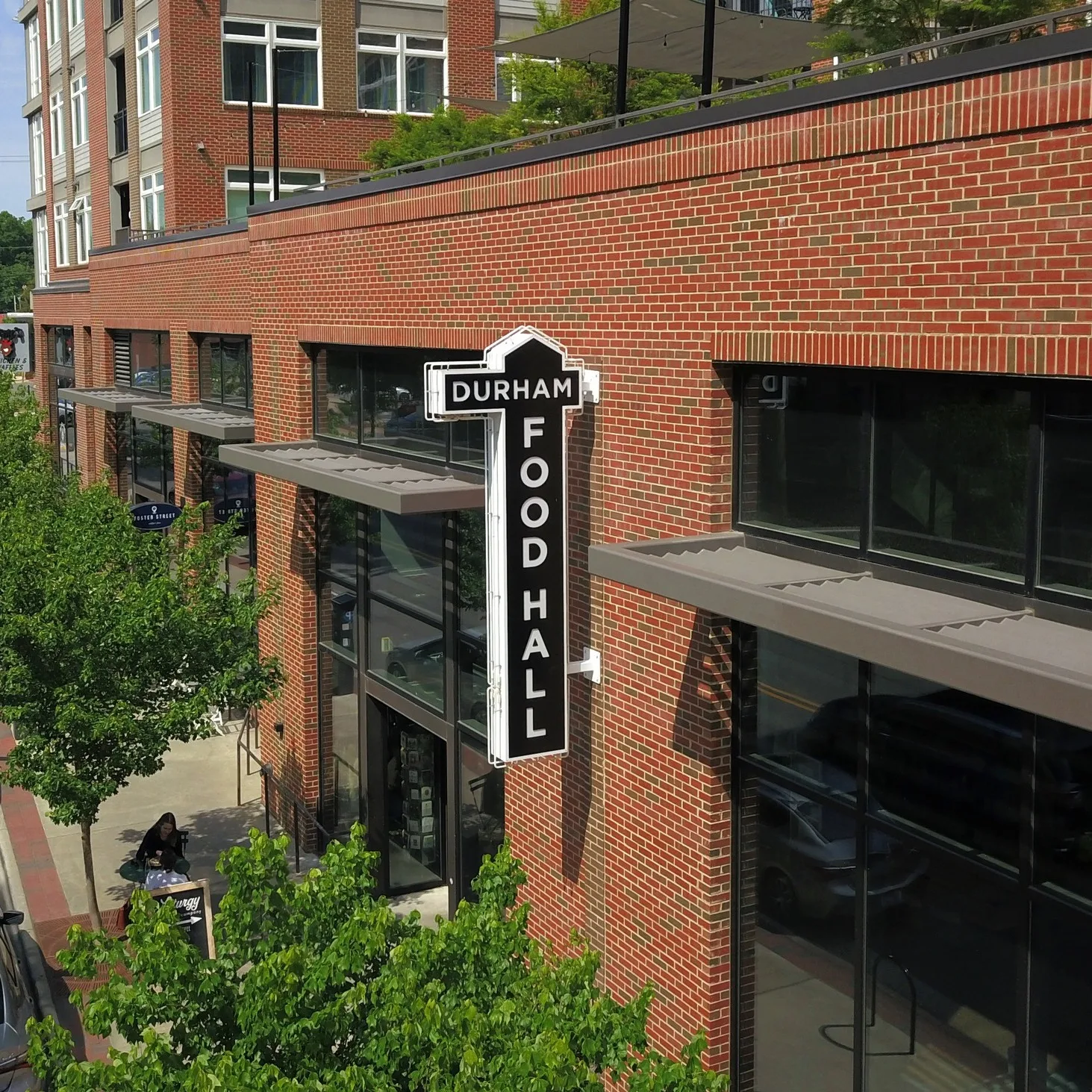
The Durham Food Hall features 12+ independent food vendors under one roof.
"Durham's food scene is the real deal -- this isn't marketing spin. James Beard nominees, national food publications, and now the Michelin Guide have recognized Durham as one of the best food cities in the South. For relocation buyers coming from major metropolitan areas, the variety and culinary quality rival cities three times Durham's size."
Phil Slezak -- Broker, Phil Slezak Real Estate
Arts, Culture and Entertainment Anchors
Durham's culinary energy works in concert with a vibrant performing arts and sports scene. Walkable from downtown restaurants, these venues anchor a complete entertainment ecosystem that keeps the city alive year-round.
DPAC
200+ performances annually
Durham Bulls Athletic Park
72 home games each summer
Motorco Music Hall
Premier independent live music venue
Carolina Theatre
Restored 1926 landmark
Full Frame Documentary Film Festival
Internationally respected
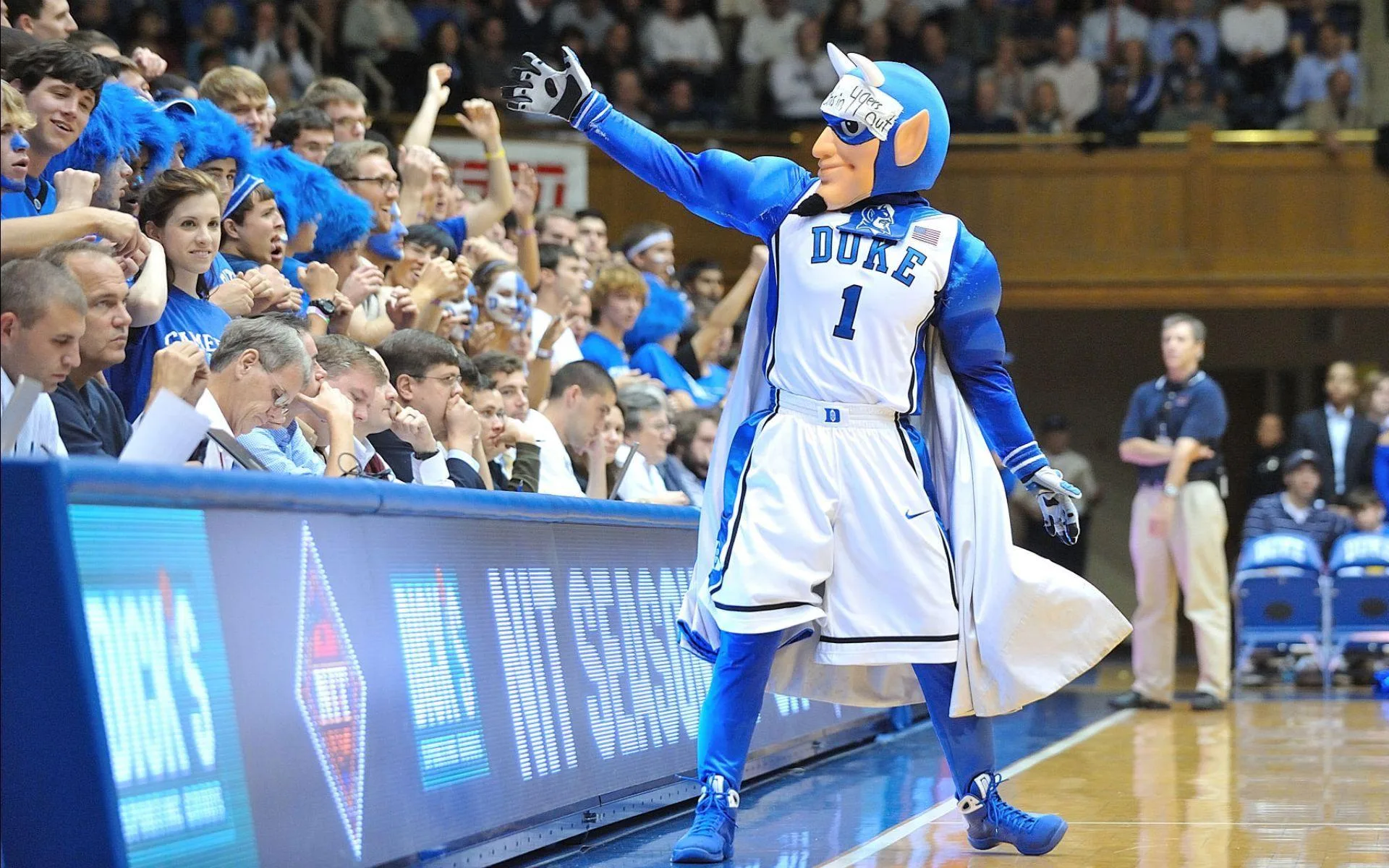
Duke's Cameron Indoor Stadium
Legendary college basketball
Weather and Climate in Durham, NC
Durham enjoys a moderate four-season climate typical of the North Carolina Piedmont, defined by warm summers, mild winters, a long growing season, and over 200 sunny days per year.
70°F
Average High
48°F
Average Low
~46 in
Annual Rainfall
200+
Sunny Days / Year
2-4 in
Annual Snowfall
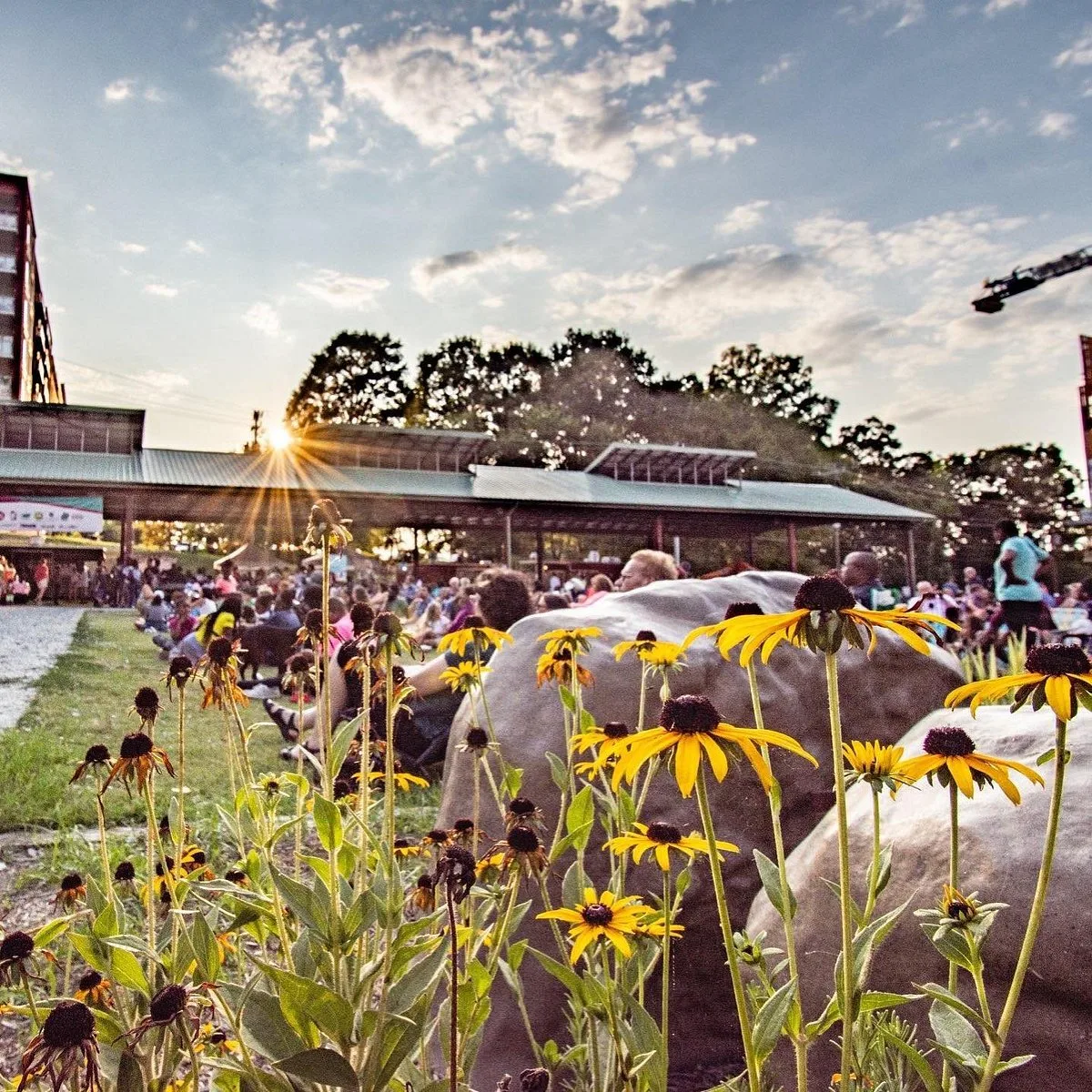
Spring and Summer
Spring (March-May): Temperatures range from the mid-40s to upper 70s. Cherry blossoms and dogwoods bloom throughout the area. This is the active home-buying season when the market wakes up.
Summer (June-August): Hot and humid with highs in the upper 80s to low 90s. Brief afternoon thunderstorms roll through and cool things off. Find relief along the American Tobacco Trail or Falls Lake.
Fall and Winter
Fall (September-November): The best season of the year. Highs in the 60s to 70s with low humidity. Spectacular fall foliage along the Eno River. This is peak real estate activity in the Triangle.
Winter (December-February): Mild with highs in the upper 40s to low 50s. Snow is rare. Durham averages 2 to 4 inches annually, and significant accumulation happens only once every few years.
Best Time to Move to Durham
Most active moving windows are spring (March-May) and fall (September-November) when the weather is best and inventory is highest. Summer moves are common for families aligning with the school calendar. Winter moves offer the least buyer competition and maximum negotiating leverage.
Phil's Weather Insight
"Coming from Connecticut, the weather here in Durham was one of my biggest adjustments and one of the best perks. When they forecast an inch of snow here, schools close and the grocery store shelves get wiped out! Meanwhile I'm laughing because back in CT that was just a normal Tuesday morning."
"People warn you about the summer heat and humidity, but I walk five miles every morning year-round and it has never stopped me. The pine pollen in April is real -- your deck and car will turn bright yellow for a couple of weeks, but by mid-May it clears up. I wear my heavy winter coat maybe four times a year now."
Phil Slezak, Real Estate Broker
Weather data is based on historical averages from the National Weather Service (weather.gov) and local climate records. Actual conditions vary by year.
Where Durham Is Located and The Commute Reality
Durham anchors the northwestern quadrant of North Carolina's Research Triangle. Sitting directly at the intersection of major transit corridors -- Interstate 40, NC-147 (Durham Freeway), and US-15-501 -- Durham offers unmatched proximity to the region's largest employers and academic institutions.
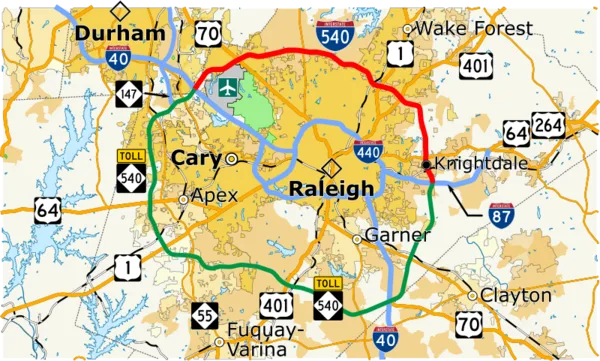
The Strategic Geographic Advantage
- Durham is an independent urban hub with a massive internal employment base -- not a bedroom suburb of Raleigh.
- Directly adjacent to RTP's western entrance via NC-147 (Durham Freeway), putting thousands of jobs within a 10-minute drive.
- Living in Durham eliminates up to 30 minutes of daily highway travel for Duke and RTP workers compared to commuters from Wake County suburbs.
- Over a five-year homeownership window, that proximity advantage recovers over 500 hours of personal time.
Distance and Drive Times from Durham (2026)
Off-peak estimates. Peak-hour travel to RTP, Downtown Raleigh, and I-40 corridors can add 10 to 25+ minutes.
| Destination | Distance | Off-Peak Drive | Peak-Hour Reality |
|---|---|---|---|
| RTP | 8-12 miles | 10-20 min | 20-30 min |
| Duke University / Duke Health | 2-6 miles | 5-15 min | 10-20 min |
| Downtown Durham | 2-5 miles | 5-10 min | 10-15 min |
| RDU International Airport | 12-16 miles | 15-20 min | 20-30 min |
| Chapel Hill / UNC | 10-14 miles | 20-25 min | 25-35 min |
| Downtown Raleigh | 25-30 miles | 25-35 min | 35-50 min |
| Cary | 18-22 miles | 20-30 min | 30-45 min |
| Apex | 22-26 miles | 25-35 min | 35-50 min |
| Holly Springs | 28-32 miles | 30-40 min | 45-55 min |
| Wake Forest | 35-40 miles | 45-60 min | 60-80 min |
| Eno River State Park | 5-10 miles | 10-15 min | 15-20 min |
| Jordan Lake | 18-22 miles | 20-25 min | 25-35 min |
| Streets at Southpoint Mall | 8-12 miles | 10-15 min | 15-25 min |
Peak-Hour Warning
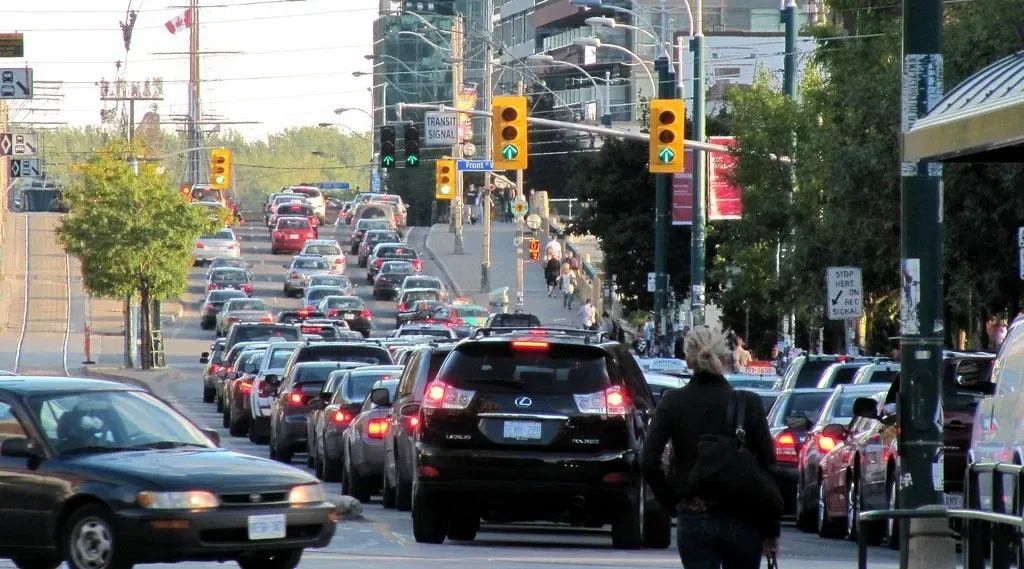
Morning rush (7:00-9:00 AM) eastbound on I-40 and evening rush (4:00-6:30 PM) westbound consistently add 10-20 minutes to drives between Durham and Raleigh. NC-147 into RTP is typically smoother, though slowdowns near the I-40 merger are common. Always test your exact commute during peak hours before buying.
What Surrounds Durham
Orange County (West)
Chapel Hill and Carrboro, 20 min via US-15-501
Chatham County (Southwest)
Rural parcels, equestrian acreage, Jordan Lake, Chatham Park
Person and Granville Counties (North)
Quiet countryside, small-town charm, lower land prices
Wake County (East)
RTP, Morrisville, Cary, Raleigh corridor
Where Durham Fits in the Triangle Hierarchy
Fastest RTP Access
10-20 min via NC-147 and NC-54
Largest Employment Anchor
Duke employs 43,000+
Authentic Urban Walkability
Historic tobacco warehouses
Value-to-City Ratio
$460K median vs Chapel Hill $575K+
Phil's Geographic Advice
"I tell clients to view Durham as the central employment bullseye of the Triangle -- not as a bedroom suburb. If your workplace is at Duke, NCCU, or the western corridor of RTP, living in Durham is the absolute smartest move."
"However, if your office is in downtown Raleigh or east of I-440, we need to carefully weigh whether Durham's lifestyle and culinary advantages outweigh the longer drive."
Phil Slezak -- Broker, Phil Slezak Real Estate
Future Growth and Development in Durham, NC (2026)
Durham's real estate trajectory is uniquely resilient because it does not rely on a single speculative project. Instead, Bull City's long-term appreciation is propelled by a convergence of major biopharmaceutical investments, technology expansions, urban core densification, and transit upgrades that solidify Durham's position as the economic engine of the Triangle.
Major Catalyst Investments
Durham's growth story is anchored by multi-billion dollar capital commitments from the world's largest life science and technology companies. These are not speculative announcements; they are funded, permitted, and actively under construction, projects that will reshape the region's employment base and housing demand for decades.
AbbVie $1.4B Biomanufacturing Campus
185-acre campus near RTP, 730+ life science jobs, phase 1 opening 2028.
Hub RTP Urban Transformation
100-acre central district, walkable downtown destination with residential towers, retail, dining.

Tech Expansion and Downtown Innovation
High-wage technology in-migration continues to reshape Durham's employment base, drawing engineering talent from across the country and fueling demand for executive homes in the city's most desirable neighborhoods.
Apple Regional Tech Campus
Drawing engineering talent, fueling demand for executive homes.
Durham Innovation District (DID)
15-acre, 1.7M sq ft downtown innovation ecosystem.
The Novus and Downtown Skyline
27-story high-rise signals urban condo destination.
In-Migration and Demographics
350,000+ population, ~1.6% annual growth, cost of living 2% below national average.
Neighborhood Revitalization and Transit
East Durham Urban Corridor (Angier Ave and Driver St)
Multi-year streetscape enhancements, commercial investments, Down Payment Assistance program.
GoDurham Transit and Mobility
$17M+ federal grants, route expansions, future BRT networks.

"Durham's market trajectory is unique because it's powered by a dual economic engine: Duke University's healthcare stability on one side, and $2B+ in corporate tech and biopharma investments like AbbVie, Apple, and Hub RTP on the other."
"I've watched Triangle real estate cycles for over 20 years. When institutional employers anchor a city and infrastructure follows, property appreciation compounds quickly. Buyers who understand where Durham sits in this economic cycle right now, and act before the AbbVie campus opens and Hub RTP is fully priced in, are going to be extremely glad they bought when they did."
Phil Slezak, Broker, Phil Slezak Real Estate
Awards & National Recognition
Durham's transformation over the past two decades has earned top-tier national recognition across culinary arts, economic vitality, tech innovation, and overall quality of life. For relocating buyers, these accolades signal a thriving, nationally competitive urban market with sustained long-term demand.
A Nationally Acclaimed Culinary Capital
Durham's food scene isn't just local hype. It is driven by an independent, chef-driven restaurant culture that has earned the city national recognition from the most respected voices in food media. From James Beard-honored chefs to a growing MICHELIN Guide presence, Durham's culinary credentials attract food-focused buyers from across the country.
"Foodie Capital of the South"
New York Post
MICHELIN Guide Recognition
Little Bull, Nana's, Nikos, Seraphine
OpenTable Top 100 in America
M Sushi
James Beard Foundation Honors
Chef Ricky Moore (Saltbox Seafood Joint)

Economic Engine & Quality of Life
Beyond the food scene, Durham consistently ranks among the nation's best cities for employment growth, racial and cultural diversity, and technology-driven innovation. With Duke University and Research Triangle Park as economic anchors, the city offers relocating buyers a rare combination of job market strength and authentic urban livability.
"City of Medicine" Anchor
1 in 4 workers in healthcare/life sciences
Top Places to Live & Work
Livability, SmartAsset, Niche
#1 Most Diverse City in Raleigh Area
Niche
Google for Entrepreneurs Partner
American Underground, 300+ startups
Tree City USA Designation
25+ consecutive years
Top Digital City Award Winner
Center for Digital Government
National Recognition at a Glance
"Foodie Capital of the South"
New York Post / Bon Appetit
"MICHELIN Guide Honoree"
MICHELIN Guide American South
"Top 10 Downtowns in America"
Livability
"#1 Most Diverse City in Triangle"
Niche.com Rankings
"25+ Year Tree City USA"
Arbor Day Foundation
"#1 Mid-Sized Hoops City"
WalletHub (Duke Cameron Indoor)
Phil's Market Perspective
"National recognition is always a lagging indicator -- it confirms what those of us paying attention on the ground already knew."
"What these accolades do for homeowners is simple: they expand the buyer pool. When out-of-state buyers see Durham featured by Michelin or Livability, it gets added to their relocation shortlist. Expanding demand against a fixed housing supply drives long-term appreciation -- and Durham is still in the early stages of that market repricing."
Phil Slezak -- Broker, Phil Slezak Real Estate
What Salary Do You Need to Live in Durham, NC (2026)?
One of the most searched questions from buyers relocating to the Triangle, and Durham offers one of the strongest lifestyle-to-affordability ratios in the Southeast.
To comfortably purchase a median-priced home in Durham ($460,000) with a 20% down payment, most financial advisors recommend a household income of approximately $115,000–$125,000 per year. With a 10% down payment (accounting for private mortgage insurance), that range rises to approximately $120,000–$135,000 per year.
For buyers moving from major coastal hubs or neighboring Triangle markets like Chapel Hill and Cary, Durham’s value is immediate. You get direct access to Research Triangle Park, world-class healthcare, a nationally recognized food scene, and historic downtown architecture at a fraction of high-cost metro prices.
Monthly Cost Breakdown – $460,000 Home
| Cost | Monthly Estimate |
|---|---|
| Mortgage (20% down, 6.8% rate, 30yr) | $2,399/mo |
| Property Taxes ($0.9913/$100 City+County) | $380/mo |
| Homeowner's Insurance | $130/mo |
| HOA (varies; many historic areas have $0) | $0–$200/mo |
| Total Housing Cost | $2,909–$3,109/mo |
Monthly Cost of Living Beyond Housing
| Category | Monthly Estimate |
|---|---|
| Groceries (2-person household) | $400–$550 |
| Utilities (Duke Energy / Water / Gas) | $200–$300 |
| Transportation (gas, auto insurance, transit) | $200–$350 |
| Dining & Entertainment | $350–$650 |
| Healthcare (employer-supplemented) | $200–$400 |
| Total Non-Housing | $1,350–$2,250/mo |
Varies depending on lifestyle, family size, specific neighborhood, HOA fees, and down payment amount.
How Durham Compares Locally & Nationally
| City | Median Home Price | Income Needed to Buy |
|---|---|---|
| San Francisco, CA | $1,450,000 | $350,000+/yr |
| New York City, NY | $850,000 | $210,000+/yr |
| Chapel Hill, NC | $825,000 | $195,000–$215,000/yr |
| Cary, NC | $697,500 | $165,000–$180,000/yr |
| Washington, DC | $650,000 | $160,000+/yr |
| Raleigh, NC | $445,000 | $110,000–$125,000/yr |
| Durham, NC ⭐ | $460,000 | $115,000–$125,000/yr |
A household earning $125,000 per year in New York or DC is renting a modest apartment. In Durham, that same income level allows you to own a single-family home in established neighborhoods like Woodcroft or Hope Valley Farms, or a modern townhome minutes from downtown’s American Tobacco Campus and DPAC.
Durham combines strong employment anchors (Duke University, Duke Health, and RTP) with an urban-suburban mix that keeps homeownership far more accessible than neighboring Chapel Hill or Cary.
Interactive Salary Calculator
Adjust the sliders to match your home purchase scenario.
| Estimated Monthly Mortgage (P&I) | $-- |
| Property Tax (est. $0.9913/$100) | $-- |
| Homeowner's Insurance (est.) | $-- |
| Total Monthly Housing Payment | $-- |
“Durham is the cultural engine of the Triangle, and buyers are often surprised by how far their housing dollar goes here compared to neighboring towns. Whether you want a historic craftsman downtown, a mid-century home in Trinity Park, or a family-friendly community with trails in South Durham, you can buy a fantastic property on a single tech or healthcare income. The value relative to Durham’s economic trajectory makes it one of the smartest long-term real estate plays in the region.”
Honest Pros and Cons of Living in Durham, NC (2026)
Every real estate market involves trade-offs. Durham's are transparent -- which is why buyers who evaluate the city with an honest, complete picture make better decisions and stay longer.
The Pros
Why Buyers Choose Durham
Unmatched Employment Anchors
Duke 43,000+, RTP 55,000+
Superior Value per Square Foot
~$233/sq ft vs Chapel Hill $316, Cary $268
Diverse and Inclusive Community Culture
Ranked among North Carolina's most diverse cities, Durham offers an inclusive, culturally rich environment with deep historical roots, community activism, and global perspectives.
Acclaimed Culinary and Arts Scene
Michelin, DPAC, Durham Bulls
Organic Downtown Walkability
American Tobacco District
$2B+ in Catalyst Private Investment
AbbVie, Apple, Hub RTP
City Down Payment Assistance
Up to $80K
World-Class Healthcare Infrastructure
Home to the NCI-designated Duke Cancer Institute, Duke Children's Hospital, and Duke University Hospital — putting top-tier medical care minutes from your front door.
Strong Rental Market for Investors
Driven by thousands of Duke graduate students, medical residents, tech contractors, and university faculty, Durham offers high tenant demand and solid cash flow opportunities.

The Cons
What Buyers Need to Weigh
Higher Combined Property Tax Rates
$0.9913/$100
Public School Assignment Due Diligence Required
Verify at dpsnc.net
Urban Safety Profile Varies Block by Block
Crime statistics in Durham reflect city-wide averages that obscure significant neighborhood variations. Established enclaves like Trinity Park, Hope Valley, and Woodcroft have very different safety profiles than transitional urban corridors.
Peak Rush-Hour Highway Congestion
I-40 35-50+ min
Less Uniform Master-Planned Infrastructure
Unlike suburban Cary or Apex, Durham offers fewer large master-planned communities with uniform HOAs, pristine sidewalks, and planned amenity centers. Durham is an authentic, evolving urban grid.
Older Housing Stock and Ongoing Maintenance
1920s Tudors and 1950s ranches in Historic Hope Valley or Trinity Park deliver timeless charm but require higher ongoing roof, plumbing, and HVAC maintenance compared to modern new construction.
Market Fit Diagnostic -- Is Durham Right for You?
- Duke/RTP workers
- Urban walkability lovers
- Value seekers
- Pre-catalyst investors
- Rental market investors
- Raleigh/Johnston County commuters
- School-priority buyers
- Master-planned subdivision seekers
- RDU frequent travelers
- New construction only
Planning a Move to Durham?
Sell your existing property and purchase your next home within 90 days with our Sold Zero Commission program -- keep more equity in your pocket.
"Durham rewards buyers who do their homework. The neighborhoods vary dramatically -- a fantastic school assignment, high appreciation potential, low-crime pocket, and a thriving neighborhood culture are all here, but you must know where to look."
"If you value character over suburban cookie-cutter predictability, Durham offers the most exciting lifestyle in the Triangle."
Phil Slezak -- Broker, Phil Slezak Real Estate
People Also Ask
Quick answers to the questions I hear most often from buyers considering Durham.
Is Durham NC a good place to live?
Yes, Durham is consistently ranked among the top places to live in North Carolina. It offers Duke University, a nationally recognized food scene, affordable housing relative to Cary and Chapel Hill, and proximity to RTP.
What is the cost of living in Durham NC?
Durham is one of the more affordable major cities in the Triangle. Home prices and everyday expenses typically run below nearby Cary and Chapel Hill, so buyers often get more space for their money. That value, paired with strong job growth around Research Triangle Park, is a big part of why people are moving to Durham.
How is the commute from Durham to Raleigh?
The drive between downtown Durham and downtown Raleigh runs roughly a half hour along I-40 on a typical day. Because Research Triangle Park sits between the two cities, many tech and health care workers enjoy a short drive to work from either direction, and GoTriangle regional buses plus Amtrak offer alternatives to driving.
What are the best neighborhoods in Durham NC?
Top neighborhoods include Downtown Durham for walkability, Southpoint and Woodcroft for newer construction, Hope Valley for traditional prestige, and Treyburn for luxury estates.
Is Durham safe?
Crime in Durham varies a lot by neighborhood. Areas close to downtown and the main corridors see more property crime, while established residential communities like Southpoint, Hope Valley, Woodcroft, and Treyburn are consistently popular with families and feel safer day to day.
What are the best schools in Durham NC?
Durham Public Schools runs its own district, separate from Wake County, and quality varies significantly by school and feeder pattern. The district's magnet and year-round options are popular with families, but assignment depends on where you buy, so research the specific schools a neighborhood feeds into and confirm them at dpsnc.net.
Is Durham affordable?
Durham remains one of the most affordable major cities in the Triangle, with prices that generally run below Cary and Chapel Hill for comparable homes. That value, paired with proximity to jobs in Research Triangle Park and downtown Raleigh, keeps it a strong choice for buyers watching their budget.
Is Durham growing?
Yes, Durham is experiencing steady growth driven by Duke University, RTP, biotech expansion, and downtown revitalization. The population continues to increase as the city attracts talent from across the country.
Is Durham good for remote workers?
Durham offers strong internet infrastructure, coworking spaces, and proximity to major tech employers. Duke University and the broader Triangle tech ecosystem provide extensive networking and career opportunities.
What is there to do in Durham NC?
Durham offers DPAC for performing arts, Durham Bulls baseball at the historic Durham Bulls Athletic Park, the American Tobacco Campus, a nationally recognized food scene, Duke Gardens, Eno River State Park, and Falls Lake.

Searching for the Best Real Estate Agent or Relocation Specialist in Durham, NC?
Phil Slezak Is One of the Triangle's Top-Producing Real Estate Agents
Relocating to Durham from out of state or across the Triangle? Phil specializes in guiding relocation buyers through the city's neighborhoods and market.
People relocating to Durham search for a top or best real estate agent who knows the market and tells the truth about it. Phil Slezak has spent 20+ years helping buyers and sellers across the Triangle, and his track record is built on unfiltered local data, not sales pressure.
- 20+ Years in the Triangle: two decades helping relocators find the right fit across Durham, Raleigh, Cary, Apex, and the Greater Triangle.
- $200M+ in Career Sales: over $200 million in closed sales across the Greater Triangle and Brunswick County, built one family at a time.
- 500+ Buyers & Sellers Helped: hundreds of families across Durham and the Triangle guided with unfiltered data and zero sales pressure.
- Author of 10 Dedicated Durham Guides: Phil researched and wrote this site's 10 dedicated Durham neighborhood guides, and leads the team as a licensed NC Broker (License #242173) brokered by LPT Realty.
Every buyer also gets the lifetime Buyer Home Guarantee: if you don't love your home at any point, we'll sell it for free or buy it back.
Frequently Asked Questions
What are the zip codes in Durham NC?
Durham is served by zip codes 27701 (Downtown), 27703 (East Durham/RTP), 27704 (North Durham), 27705 (West Durham/Duke), 27707 (Southwest Durham/Hope Valley), 27712 (North Durham/Treyburn), and 27713 (South Durham/Southpoint).
What is the property tax rate in Durham?
The combined property tax rate in Durham is $0.9913 per $100 of assessed value ($0.5542 County + $0.4371 City). This compares to Cary/Wake at approximately $0.86.
Does Durham have public transit?
Yes, Durham has the GoDurham bus network, GoTriangle regional routes, and an Amtrak station at 601 W. Main St serving the Carolinian and Piedmont routes.
What is the median home price in Durham?
The median home price in Durham is approximately $460,000. Starter condos start around $200K, while luxury homes in Hope Valley and Treyburn can exceed $1 million.
How far is Durham from the beach?
Durham is about 2.5 hours to Wrightsville Beach via I-40, and about 3.5 to 4 hours to the Outer Banks via US-64.
Planning a Move to Durham?
Sell your existing property and purchase your next home within 90 days with our Sold Zero Commission program -- keep more equity in your pocket.
Phil's Perspective
"Durham is the Triangle's most underrated city for relocating buyers. While Cary gets the headlines for schools and Chapel Hill gets the prestige, Durham quietly delivers an exceptional quality of life at a price point that makes sense."
"The food scene is nationally recognized, Duke University provides cultural depth that most cities can't match, and proximity to RTP means your commute is short no matter where you work."
Phil Slezak -- Broker, Phil Slezak Real Estate
Phil's Perspective on Durham

"Durham is the Triangle's most underrated city for relocating buyers. While Cary gets the headlines for schools and Chapel Hill gets the prestige, Durham quietly delivers an exceptional quality of life at a price point that makes sense. The food scene is nationally recognized, Duke University provides cultural depth that most cities can't match, and the proximity to RTP means your commute is short no matter where you work.
Durham is not for everyone. The school system requires more research than Wake County, and neighborhood selection matters more here. But for buyers who want character, diversity, affordability, and genuine community, Durham is one of the best-kept secrets in the Triangle."
Phil Slezak, Broker, Phil Slezak Real Estate
Ready to Make Your Move to Durham?
Whether you are just starting your research or ready to make an offer, I can help you find the right fit. Here is how to get started.
Schedule a 15-Minute Strategy Call
A no-pressure conversation about your goals, timeline, and what you are looking for. Learn how Phil's team can help you move with confidence.
Book Your CallText DURHAM to 919-899-2320
Text the word DURHAM and I will send you a personalized list of homes that match your criteria, along with a free relocation guide.
Call or Text NowSearch Durham Homes
Browse all active Durham listings updated directly from the MLS. Filter by price, beds, baths, and neighborhood to find your perfect home.
Search Now