Living in Wake Forest, NC (2026 Guide)
Wake Forest is northern Wake County's premier suburban hub, combining a vibrant historic downtown, top-rated schools, master-planned luxury communities, and a high quality of life. Here is the honest truth about what it is really like to live here.
This complete 2026 guide covers home prices, neighborhoods, schools, commute times, cost of living, and the honest trade-offs of living in Wake Forest, from a licensed broker who has spent 20+ years helping buyers find the right fit in the Triangle.
Living in Wake Forest, NC — The Complete Package
Wake Forest was originally home to the historic campus of Wake Forest College before the university relocated to Winston-Salem in the 1950s. Today, this historic town in northern Wake County has evolved into one of the Triangle's most sought-after suburban destinations. Wake Forest offers relocation buyers a rare blend of small-town Southern heritage, top-rated schools, resort-style master-planned communities, and a thriving historic downtown district that sets it apart from typical bedroom communities.
Located just 18 miles north of Downtown Raleigh, Wake Forest anchors the northern edge of the Research Triangle region. Served by the highly acclaimed Wake County Public School System alongside premier charter and private academies, the town attracts tech professionals, medical specialists working at WakeMed North Hospital, and families seeking generous home lots and strong long-term real estate equity.
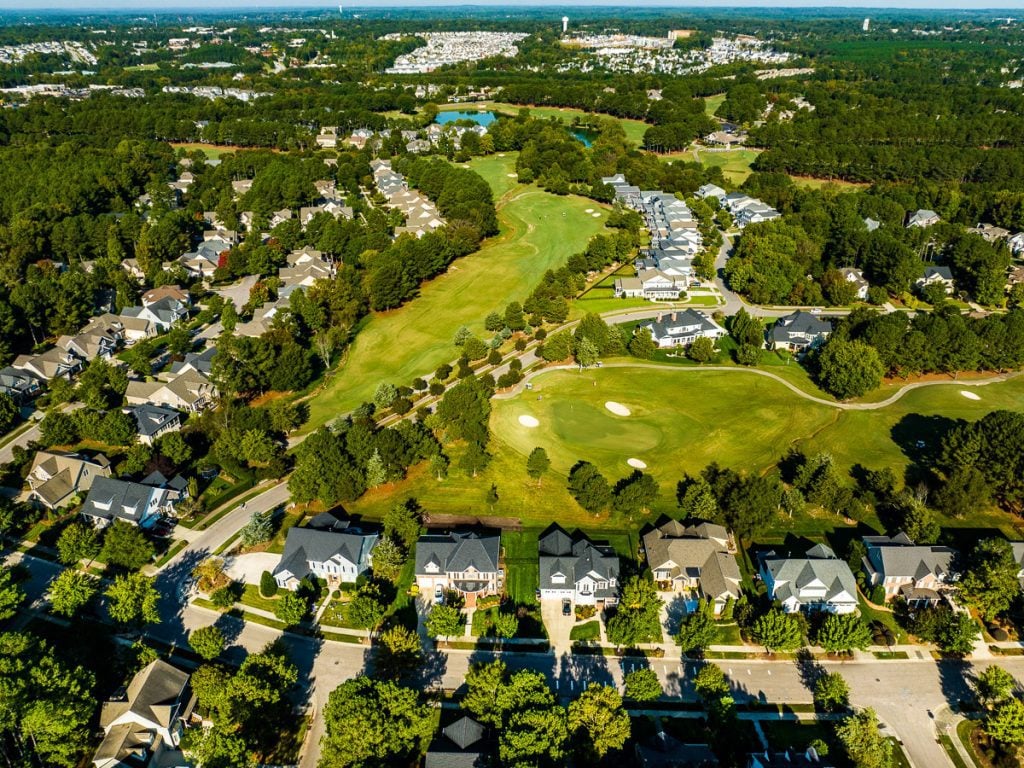
Wake Forest blends historic architecture with modern lifestyle amenities. Walkable destinations along White Street like White Street Brewing Company, Shorty's Famous Hot Dogs (established in 1916), and the iconic The Cotton Company define the town's social core. Paired with the 117-acre E. Carroll Joyner Park, direct access to boating at Falls Lake State Recreation Area, and golf communities like Hasentree and Heritage, Wake Forest delivers a complete, family-oriented lifestyle. Whether you are relocating from out of state or moving within the Triangle, this guide provides the honest facts you need to make a confident home purchase.
What's Inside This Guide
Wake Forest, NC Real Estate Market Snapshot
(July 2026)
| Metric | July 2026 | July 2025 | Change |
|---|---|---|---|
| Homes Sold Wake Forest | 139 | 139 | 0.0% |
| Median Sales Price | $599,990 | $525,000 | +19.4% |
| Median Home Price (Townhouse) | $325,310 | $349,000 | -6.8% |
| Median $/sq ft | $221.86 | $211.57 | +4.9% |
| Median Days on Market | 31 | 27 | +14.8% |
| List Price Received | 100.0% | 99.0% | +1.0% |
Phil Slezak, Broker, Phil Slezak Real Estate"Wake Forest continues to demonstrate exceptional market resilience. Strong demand for single-family homes in master-planned communities has driven the median sales price up significantly, while sellers are continuing to capture 100% of their list price on well-positioned properties."
Wake Forest Market Snapshot: Frequently Asked Questions
What is the median home price in Wake Forest, NC?
As of July 2026, the overall median sales price in Wake Forest is $599,990, representing a strong 19.4% year-over-year growth. However, pricing varies significantly by property type: single-family detached homes drive the upper median, while attached townhouses offer a more accessible entry point with a median price of $325,310.
How fast are homes selling in Wake Forest?
Homes in Wake Forest currently spend a median of 31 days on market before going under contract, up slightly from 27 days in July 2025. Well-priced single-family homes in desirable master-planned neighborhoods continue to move quickly, whereas attached units and higher-priced luxury inventory often afford buyers additional room for negotiation.
Are buyers paying full asking price for homes in Wake Forest?
Yes. On average, sellers are receiving 100.0% of their original list price, reflecting a slight increase from the 99.0% received in July 2025. Strong demand for well-maintained single-family properties allows sellers to hold firm on pricing, provided properties are accurately positioned for current market conditions.
How does property type impact price trends in Wake Forest?
Single-family homes are experiencing robust price appreciation, pushing the overall median price per square foot up 4.9% to $221.86. Conversely, the townhouse sector has seen a mild year-over-year price correction of -6.8% to $325,310, providing attractive opportunities for first-time buyers and investors seeking lower entry costs.
Why People Are Moving to Wake Forest, NC
Wake Forest seamlessly blends rich historic charm with modern suburban convenience. Known for its highly rated schools, thriving local business scene, and spacious master-planned communities, it stands out as one of the Triangle's premier destinations for families, commuters, and professionals.
Key Reasons to Call Wake Forest Home
Charming Downtown Historic District
The heart of Wake Forest centers on its walkable, vibrant downtown along White Street. Packed with local coffee shops, craft breweries, boutique retail, and community gathering spots like South White Street Plaza, residents enjoy an authentic small-town feel enriched by annual street festivals and Friday night events.
Top-Tier Wake County Public Schools
Families are drawn to Wake Forest for access to the highly regarded Wake County Public School System (WCPSS), alongside prestigious charter options like Franklin Academy and Wake Forest Charter Academy. Outstanding educational infrastructure remains a primary catalyst for long-term home value stability.
Spacious Master-Planned & Golf Communities
From luxury golf living in Heritage Wake Forest and Hasentree to serene suburban enclaves like Holding Village and Tradewinds, Wake Forest offers diverse neighborhoods featuring neighborhood pools, clubhouses, greenways, and generous lot sizes hard to find closer to core urban centers.
Parks, Lakes, and Outdoor Recreation
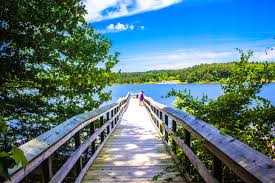
Home to the flagship 117-acre E. Carroll Joyner Park, complete with an outdoor amphitheater, historic farm structures, and miles of paved trails. Wake Forest emphasizes outdoor living. Nearby Falls Lake State Recreation Area provides instant access to boating, fishing, camping, and hiking along the Mountains-to-Sea Trail.
Strategic Commuter Access to Raleigh & RTP
Situated directly north of Raleigh along US-1 (Capital Boulevard) and NC-98, Wake Forest gives commuters easy access to Downtown Raleigh (25-30 minutes), Research Triangle Park (30-35 minutes), and RDU International Airport while maintaining a quiet, retreat-like lifestyle.
Strong Value & Price per Square Foot Advantage
Compared to western Triangle suburbs like Cary or Chapel Hill, buyers in Wake Forest often get significantly more square footage, newer construction, and larger lot sizes for their investment, making it a favorite for relocation buyers maximizing buying power.
Cost Snapshot: Wake Forest vs. the Triangle
| Wake Forest | Cary | Raleigh | Chapel Hill | |
|---|---|---|---|---|
| Median Home Price | $600K | ~$698K | ~$475K | ~$825K |
| Effective Prop. Tax Rate | ~0.957% | ~0.905% | ~0.909% | 1.3284% |
Figures reflect local MLS data for July 2026. Tax rates reflect combined city and county effective rates and may vary by specific location and county line (Wake vs. Franklin).
The Wake Forest Difference
Raleigh, Cary, Durham
- Fast-Paced Expansion
- Major Highway Corridors
- Denser Urban Density
Wake Forest
- Historic Small-Town Charm
- Master-Planned Resort Living
- Superior Space & Yard Value
The Vibe: Where high-density tech hubs feature fast-paced highway corridors and compact lot sizes, Wake Forest delivers a classic, family-centric suburban escape. Expect tree-lined master-planned neighborhoods, active community events, expansive park spaces, and an intentional, friendly pace of life.
Curious what's currently on the market in Wake Forest?
VIEW WAKE FOREST HOMES FOR SALEWhy People Are Moving to Wake Forest: Frequently Asked Questions
What are the primary reasons buyers choose Wake Forest over other Triangle cities?
Buyers choose Wake Forest primarily for its superior property value per square foot, top-rated Wake County public schools, established master-planned communities like Heritage and Hasentree, and its balance of historic downtown charm with easy commuter routes into Raleigh and Research Triangle Park.
Where do Wake Forest residents work, and what is the commute to RTP and Downtown Raleigh?
Many residents commute via US-1 (Capital Boulevard), NC-98, or I-540. Commutes to Downtown Raleigh average 25 to 30 minutes, while Research Triangle Park (RTP) and RDU International Airport are typically 30 to 35 minutes away, making it an ideal residential anchor for Triangle regional employees.
Who is moving to Wake Forest from out of state?
Relocation buyers predominantly include growing families seeking top public schools and larger homes, relocating tech and healthcare professionals working in Raleigh/RTP, and retirees drawn to Wake Forest's golf courses, mild climate, and moderate property tax rates compared to the Northeast, Midwest, and West Coast.
Is living in Wake Forest worth the commute compared to living directly in Raleigh or Cary?
For buyers prioritizing home size, neighborhood amenities, lower property tax rates, and a quieter suburban atmosphere, absolutely. While adding 10 to 15 minutes to an RTP commute compared to Cary, Wake Forest provides broader home options, larger yards, and exceptional community lifestyle value.
Homes for Sale in Wake Forest, NC
Browse active Wake Forest listings updated directly from the MLS. Use the search below to filter by price, beds, baths, and neighborhood.
Wake Forest Housing Guide
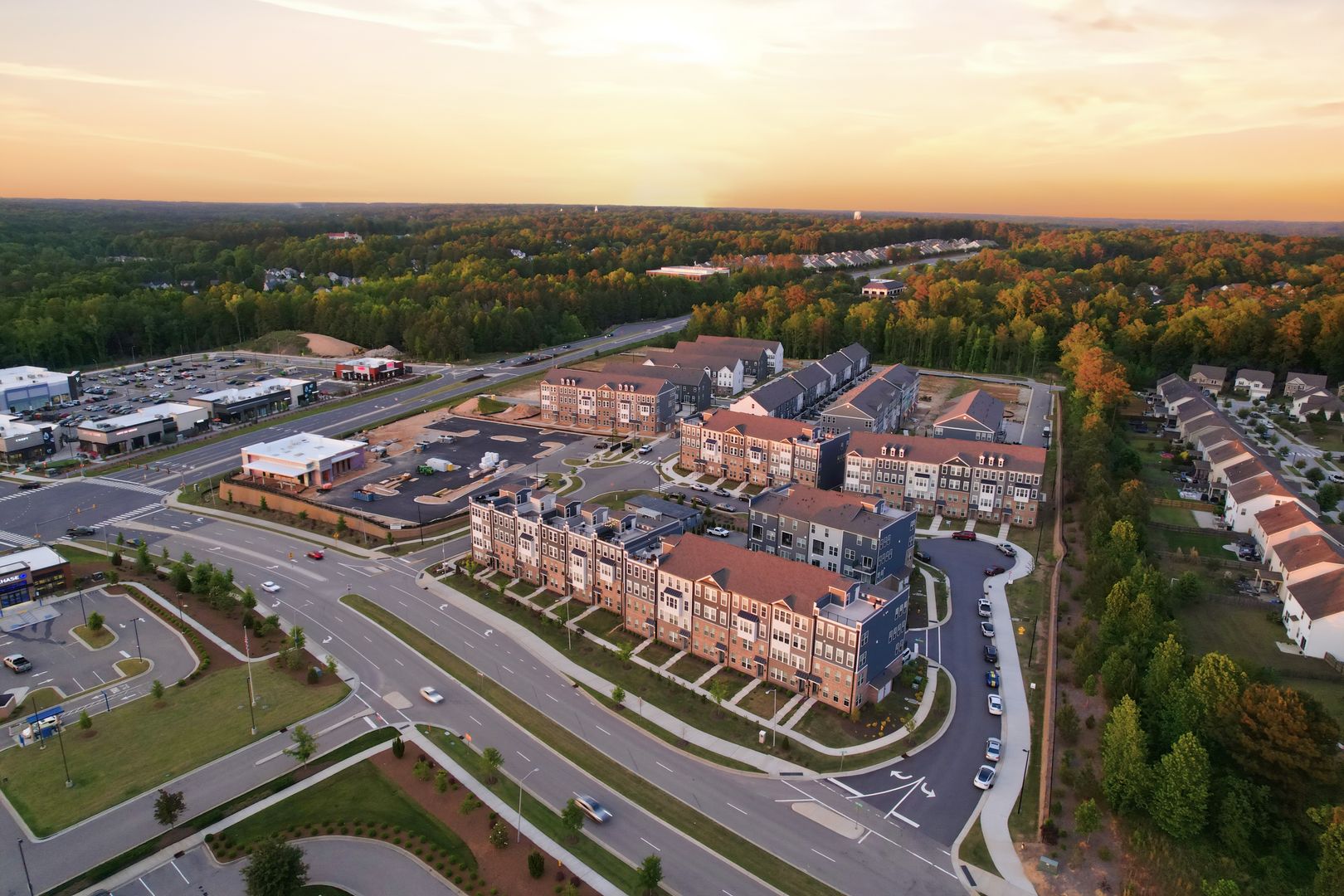
Wake Forest's housing stock features a rich blend of historic downtown homes, master-planned suburban communities, luxury golf course estates, modern townhouses, and active new construction developments. With strong demand driven by great schools and expanding Triangle infrastructure, desirable homes continue to attract competitive interest.
Types of Homes in Wake Forest
Pro Tip for Buyers: While new construction and townhouse inventory in Wake Forest give buyers breathing room to negotiate on concessions, well-priced single-family detached homes in top-performing school zones like Heritage often sell quickly. Having full mortgage pre-approval and expert local guidance is essential for securing the right property on favorable terms.
Wake Forest Neighborhoods — Finding Your Right Fit
Wake Forest's neighborhoods range from massive, resort-style master-planned developments to exclusive gated golf estates and walkable town centers. Finding the right fit depends on your lifestyle priorities, school preferences, and target commute.
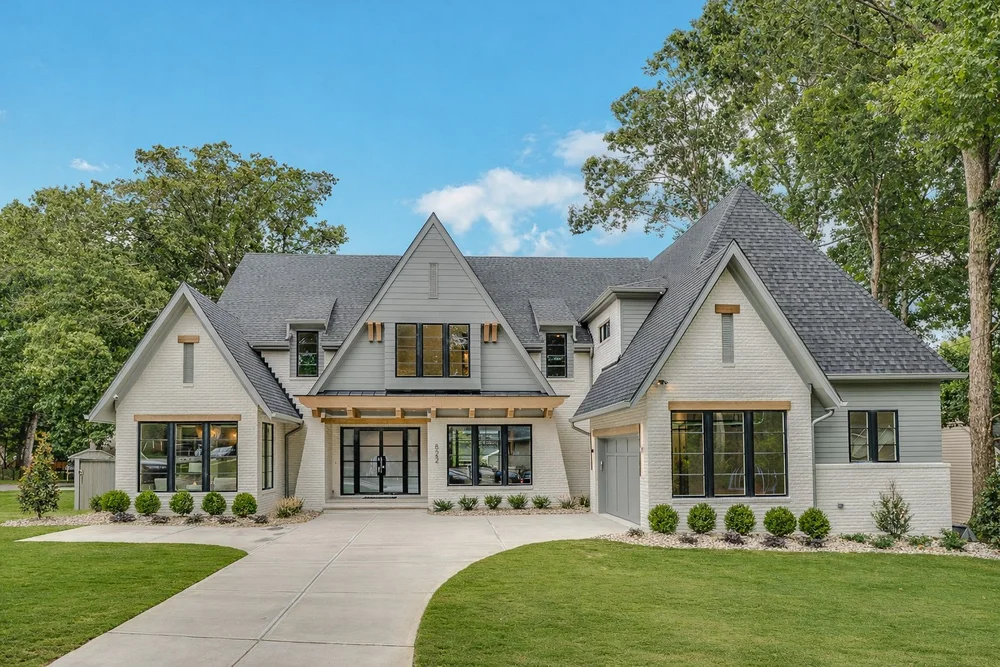
Honorable Mentions
Wake Forest has more distinct neighborhoods than any single guide can cover in depth. Here are several more highly requested communities worth keeping on your radar:
Neighborhood Selection Tips from Phil
Three things I tell every Wake Forest buyer before they start touring:
Verify County Boundaries (Wake vs. Franklin County)
Wake Forest spans both Wake and Franklin counties. County lines affect school district assignments (WCPSS vs. Franklin County Schools) and property tax rates. Always confirm official county parcel data before making an offer.
Test Drive Your Capital Boulevard (US-1) Commute at 8:00 AM
Capital Boulevard is the main arterial route into Raleigh. Commute times can vary depending on whether your neighborhood sits closer to NC-98, Rogers Road, or northern US-1 corridors. Test your morning drive during peak rush hour.
Factor HOA & Club Amenities into Your Total Monthly Cost
Master-planned communities like Heritage and Hasentree offer world-class amenities, but HOA dues and optional country club memberships vary significantly. Align monthly dues with the amenities your household will actually utilize.
CRITICAL: Verify School Assignments Yourself. Always verify base school assignments directly through the Wake County Public School System (WCPSS) or Franklin County Schools lookup tools using the exact property address. School attendance boundaries can shift.
Not Sure Which Wake Forest Neighborhood Is Right for You?
Let us help you find the perfect fit for your lifestyle, commute, and budget.
Wake Forest Neighborhoods — Frequently Asked Questions
What is the most walkable neighborhood in Wake Forest?
Historic Downtown Wake Forest (surrounding White Street) and Grove 98 offer top walkability. Downtown features coffee shops, breweries, and local retail within walking distance, while Grove 98 provides walkability to Wegmans and surrounding dining/services. Master-planned communities like Holding Village and Heritage also feature internal walkability along extensive trail systems.
How do school assignments work across different Wake Forest neighborhoods?
Most Wake Forest neighborhoods sit in Wake County and feed into top Wake County Public Schools (WCPSS). However, northern sections of Wake Forest cross into Franklin County, which feeds into Franklin County Schools. Additionally, charter options like Franklin Academy serve residents across county lines. Always verify address-specific school zoning before making an offer.
What is the best Wake Forest neighborhood for families with young children?
Heritage, Holding Village, and Traditions are widely considered top choices for families. They offer zero-entry community pools, playgrounds, active social committees, direct greenway connections, and excellent base school assignments within Wake County.
Which Wake Forest neighborhoods offer the best commute to Raleigh and RTP?
Neighborhoods located along the NC-98 corridor (such as Grove 98 and Holding Village) or south Wake Forest communities near Rogers Road (such as Heritage) provide quick access to US-1 and I-540, cutting 5 to 10 minutes off morning commutes to Downtown Raleigh, RTP, and RDU Airport.
Triangle
Areas
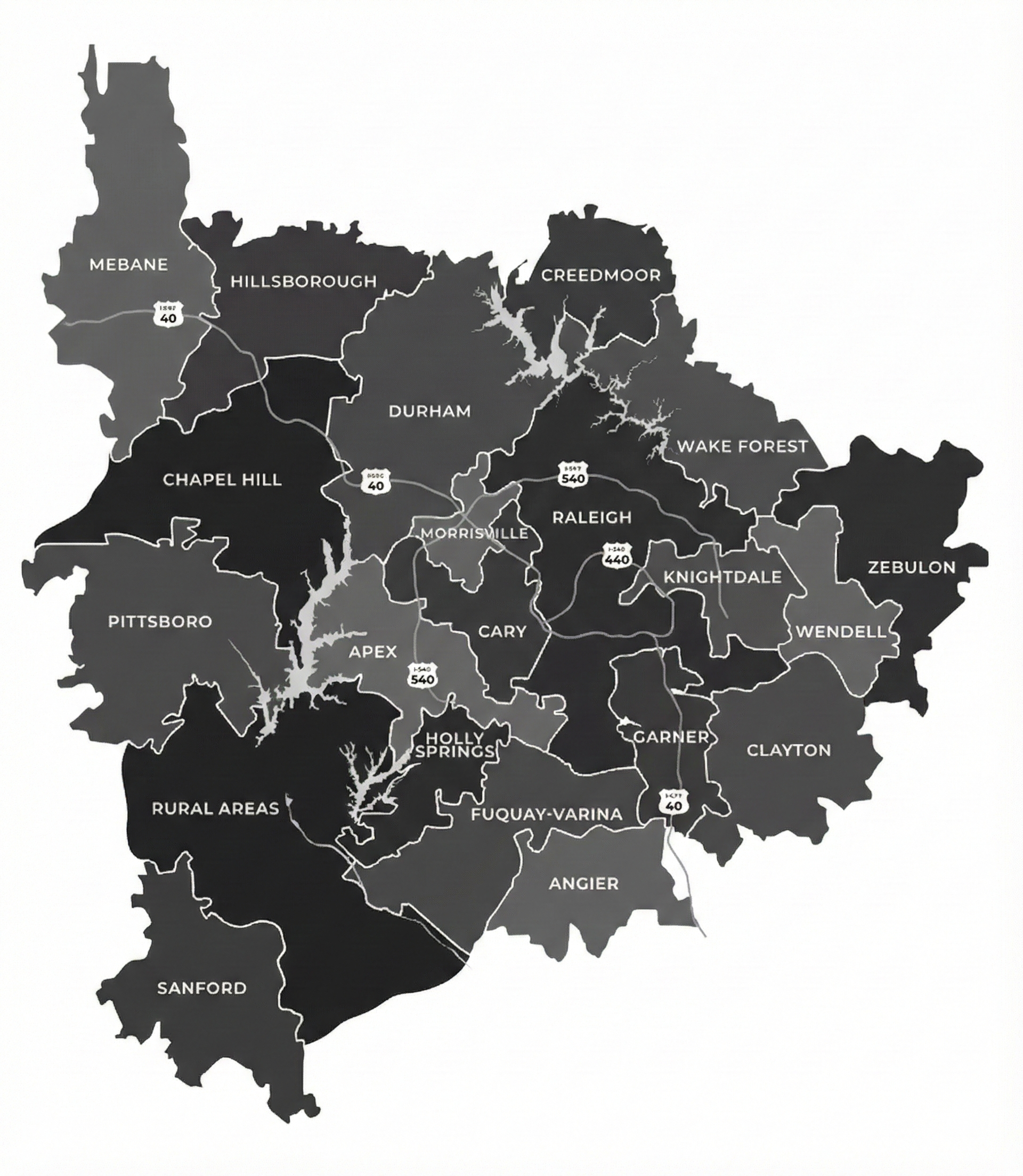
How Wake Forest Compares to Other Triangle Cities
See how Wake Forest stacks up against the Triangle's other top relocation destinations across the metrics that matter most to home buyers.
| Metric | Wake Forest | Cary | Raleigh | Durham | Chapel Hill |
|---|---|---|---|---|---|
| Median Home Price | $600K | $698K | $475K | $406K | $825K |
| Effective Tax Rate | ~0.957% | $0.9046 | $0.9091 | $1.0163 | $1.3284 |
| School District Ratings | Top-10 WCPSS / Charters | Top-5 WCPSS | Top-5 WCPSS | DPS | #1 CHCCS |
| Commute to RTP | 30 min | 12 min | 10 min | 10 min | 20 min |
| Town Walkability | 20 Walk Score | 27 Walk Score | 32 Walk Score | 34 Walk Score | 32 Walk Score |
| New Construction Supply | High | High | High | Moderate | Limited |
| Average Lot Sizes | 0.25-1.25 ac | 0.15-0.5 ac | 0.15-0.5 ac | 0.20-0.75 ac | 0.25-1.0 ac |
| Primary Buyer Profile | Families / Relocations | Family / Tech | Young Professionals | Creative / Startup | Faculty / Medical |
* Figures reflect local MLS and municipal tax records for July 2026. Walk Score values sourced via WalkScore.com.
Superior Space & Lot Value
Wake Forest delivers significantly larger home footprints and expansive lot sizes (0.25 to 1.25+ acres) compared to Cary or Chapel Hill at similar or lower purchase prices.
Moderate Tax Rate
At ~0.957%, Wake Forest offers a balanced property tax rate that stays below Orange County/Chapel Hill levels (1.3284%) while maintaining excellent municipal services and park infrastructure.
Top-Tier Education Options
Access to top-10 Wake County Public School System (WCPSS) high schools alongside top-rated local charter institutions like Franklin Academy offers exceptional educational choices for growing families.
Is Wake Forest Your Best Triangle Match?
Choose Wake Forest Over Raleigh If:
- You prefer a relaxed small-town feel with historic roots over high-density urban expansion.
- Larger yard sizes and master-planned community amenities are top priorities.
- You want a retreat-like suburban home base that is still an easy commute into Downtown Raleigh.
Choose Wake Forest Over Durham If:
- Top Wake County school ratings matter more than urban industrial vibe or night-life hubs.
- You favor quiet golf communities, lakes, and expansive parks over high-density redevelopment.
- Lower property tax rates and newer suburban master plans fit your long-term wealth strategy.
Choose Wake Forest Over Cary If:
- You want significantly more home square footage and lot size for your budget.
- Authentic historic downtown character appeals to you more than manicured suburban commercial grids.
- You don't mind a slightly longer drive to RTP in exchange for lower entry home prices.
Choose Wake Forest Over Chapel Hill If:
- You want to avoid premium home prices ($825K median vs. $600K) and high property taxes (1.3284%).
- You prefer active new construction developments and larger lot options.
- Your employment focus is centered on Raleigh, North Raleigh, or northern Triangle business parks.
"Wake Forest offers one of the strongest overall value propositions in the entire Triangle. You get top-tier Wake County schools, fantastic master-planned neighborhoods, and a vibrant historic downtown all while getting significantly more home and land for your investment than in Cary or Chapel Hill."
Phil Slezak, Broker, Phil Slezak Real EstateHow Wake Forest Compares to Other Triangle Cities — Frequently Asked Questions
How does Wake Forest compare to Durham in housing costs and lifestyle?
Wake Forest features a higher median home price ($599,990) compared to Durham (~$460,000), driven by top-rated Wake County public schools, larger single-family homes, and established master-planned subdivisions. While Durham offers an urban, arts-centric vibe and rapid access to RTP, Wake Forest offers a quieter, suburban, family-centric lifestyle with larger yards.
Should buyers choose Wake Forest or Cary for families and schools?
Both towns feed into the highly regarded Wake County Public School System (WCPSS) and excel for family relocations. Cary is closer to RTP (12 min vs 30 min) and carries a higher median home price (~$698K). Wake Forest ($600K median) offers larger lot sizes, a historic downtown center, and broader new construction options for buyers seeking more space.
How does Wake Forest compare to Raleigh for job access and urban amenities?
Raleigh is the state capital and central economic driver with a median home price near $475K and direct access to downtown nightlife and tech hubs. Wake Forest sits 25 to 30 minutes north along Capital Boulevard (US-1), offering a peaceful suburban haven with larger lot sizes while keeping Raleigh employment centers easily accessible.
What are the best alternative Triangle towns if Cary or Chapel Hill are out of budget?
Wake Forest is a prime alternative, providing top Wake County public schools and high-end master-planned options (like Heritage and Hasentree) at lower prices per square foot than Chapel Hill ($825K median) or Cary ($698K median). Towns like Apex, Holly Springs, and Fuquay-Varina also offer strong alternatives depending on your preferred side of the Triangle.
Cost of Living in Wake Forest, NC (2026)
A household income of $150,000-$180,000 per year comfortably supports a median-priced home in Wake Forest. Here is what you can expect to pay for housing and daily living in 2026.
Property Tax Rates (In-Town Wake Forest / Wake County)
| Taxing Authority | Rate per $100 Assessed Value |
|---|---|
| Town of Wake Forest | $0.4200 |
| Wake County Base Rate | $0.5371 |
| Total Combined Property Tax Rate | $0.9571 per $100 |
~$5,742 annual property tax on a $599,990 median home (~$479/mo). Optional Downtown Municipal Service District adds an additional $0.140 per $100 for commercial and residential properties within that designated core boundary.
North Carolina Tax Advantages:
Monthly Cost Breakdown for a $600K Home
Based on a median home price of $599,990 with 20% down ($125,402) at a 6.5% interest rate.
| Expense Category | Estimated Monthly Cost |
|---|---|
| Mortgage P&I | ~$3,170 |
| Property Tax | ~$500 |
| Insurance | ~$175 |
| HOA | $60-$250 |
| Groceries | $400-$550 |
| Utilities | $180-$300 |
| Transportation | $180-$320 |
| Dining/Entertainment | $200-$450 |
| Healthcare | $220-$450 |
| Total Estimated Monthly Outlay | $5,085-$6,165/mo |
* Note: Properties located within the Downtown Municipal Service District pay an additional tax rate of $0.140 per $100 of assessed value (~$73/mo on a median home), which is excluded from standard residential calculation above.
Rent Ranges in Wake Forest
1BR apartments $1,350-$1,700/mo. 2BR apartments/townhomes $1,650-$2,300/mo. Single-family rental homes $2,100-$3,400/mo.
"When buyers compare cost of living across the Triangle, Wake Forest consistently hits the sweet spot. Your property taxes stay significantly lower than Chapel Hill or Durham, while your dollar stretches much further in terms of total square footage, garage space, and yard size."
Phil Slezak, Broker, Phil Slezak Real EstateCost of Living in Wake Forest: Frequently Asked Questions
How does the cost of living in Wake Forest compare to the national average?
Wake Forest's overall cost of living sits approximately 4% to 7% above the national average, primarily driven by housing demand. However, daily essentials like groceries, healthcare, utilities, and general goods remain right in line with national benchmarks.
What is the combined property tax rate in Wake Forest, NC?
For properties inside Wake Forest town limits in Wake County, the combined tax rate is $0.9571 per $100 of assessed value ($0.4200 Town of Wake Forest + $0.5371 Wake County base rate). On a $599,990 median-priced home, annual property taxes run approximately $5,742.
Does buying in Franklin County lower your property tax bill in Wake Forest?
Yes. Properties situated in the northern sections of Wake Forest that cross the county line into Franklin County are subject to Franklin County tax rates rather than Wake County. This can yield slight tax savings, though buyers should verify corresponding school assignments (Franklin County Schools vs WCPSS).
Are there built-in community perks that offset Wake Forest's housing costs?
Yes. Wake Forest offers "Go Wake Forest", an on-demand microtransit service providing flexible rides throughout town limits and parts of Wakefield. Additionally, residents enjoy free access to Joyner Park and extensive town greenway networks, lower property tax rates than Chapel Hill or Durham, and access to high-performing Wake County public schools without separate municipal school surcharges.
Schools in Wake Forest, NC — What Buyers Need to Know
Wake Forest is served by the Wake County Public School System (WCPSS), the largest and one of the highest-rated school districts in North Carolina. Unlike Chapel Hill's single dedicated district, WCPSS covers the entire county — so for relocation buyers, understanding exactly which schools a property is zoned for is essential to making the right purchase.
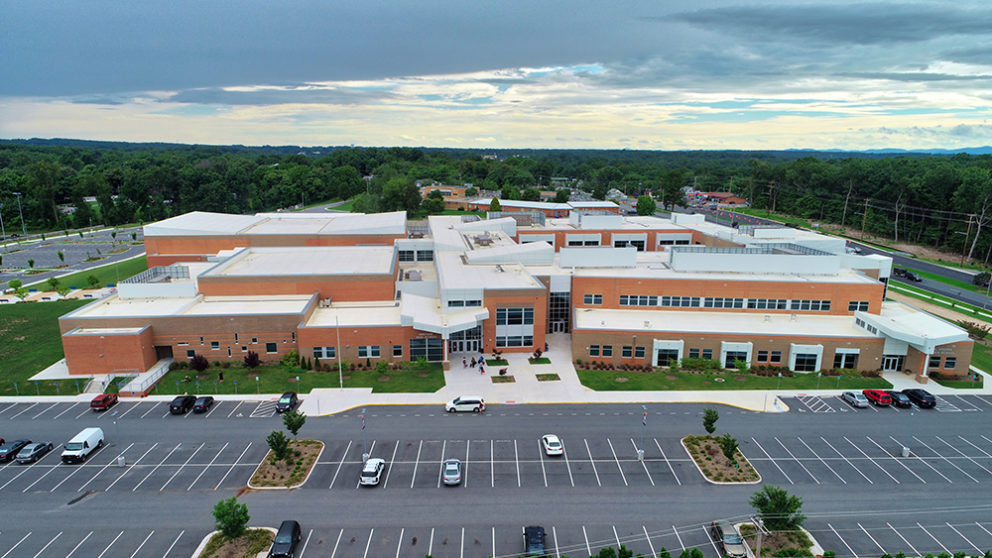
Important School Boundary Note: WCPSS is the largest district in North Carolina and redraws attendance boundaries periodically to manage growth, so a Wake Forest mailing address does not guarantee a specific school — two homes on the same street can be zoned differently. Properties at the northern edge of town may fall under Franklin County Schools instead of WCPSS. Always verify current assignments with the WCPSS Student Assignment office before writing an offer.
Wake County Public School System
Overall Niche Grade: A — #4 Best School District in North Carolina
Source: Niche.com — Wake County Schools, Best School Districts in North Carolina (2026)
Three Rules for School Research
Always look up the exact property address on official WCPSS tools
School attendance boundaries change periodically in WCPSS. A home two streets over may feed into a completely different elementary, middle, or high school. Use the WCPSS School Locator to verify parcel-level assignments.
Trace elementary-to-high-school feeder pathways
Your child's elementary school determines their middle and high school assignment. If you are targeting Heritage High School or Wake STEM, work backward through the feeder chain to confirm the home qualifies at every level.
Verify assignments before making an offer
Because WCPSS rezones to manage growth, confirm current assignments directly with the WCPSS Student Assignment office before writing an offer, especially for homes in newer subdivisions or near boundary edges.
Wake Forest Area High Schools Spotlight
Heritage High School
Niche Grade A, ranked #4 among Wake County public high schools. Strong AP participation, a 14:1 student-teacher ratio, and a premier choice for families prioritizing academics.
Wake Forest High School
Niche Grade B+. The town's original comprehensive high school, walkable from several in-town neighborhoods, featuring a large, established athletics program and specialized AP academies.
Wake STEM Early College High
Ranked #4 in Wake County alongside Heritage. A specialized early-college program letting students earn college-level STEM coursework during high school. Admission is application-based.
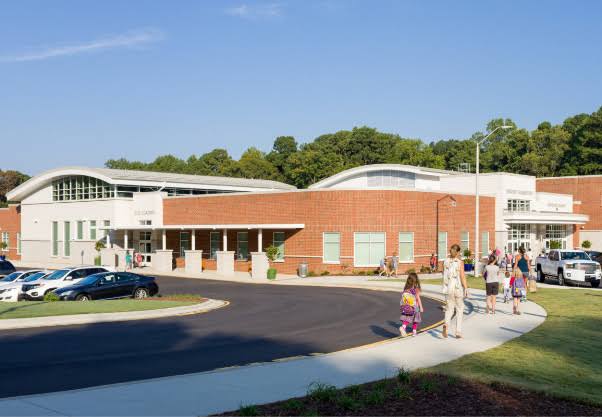
Elementary and Middle School Feeder Standouts
Elementary School Standouts
WCPSS operates numerous elementary schools serving the Wake Forest area, including Heritage Elementary, Wake Forest Elementary, Richland Creek Elementary, Jones Dairy Elementary, Forest Pines Drive Elementary, and North Forest Pines Elementary. School assignment is strictly by address, so verifying the catchment map before you buy is essential.
3 Middle School Pathways
The area is served by 3 primary middle schools: Heritage Middle School, Wake Forest Middle School, and Wake Forest-Rolesville Middle School. Heritage Middle posts notably higher proficiency scores than the other two, so confirm which middle school a home feeds before assuming Heritage High is on the table.
Charter, Private, and Alternative Options
Franklin Academy (K-12)
A top-rated K-12 public charter school in Wake Forest founded in 1998. Niche Grade A, 10/10 GreatSchools rating. Free public school with open-enrollment lottery admission.
Wake Forest Charter Academy (K-8)
Part of the National Heritage Academies network. Tuition-free public charter school offering a structured "Moral Focus" curriculum. Ranked among the top 6% of public K-8 schools nationally.
Thales Academy Wake Forest (PK-5)
Private campus located on Heritage Trade Drive. Utilizes Direct Instruction learning models, classical character education, and affordable private tuition rates.
St. Catherine of Siena Catholic School
PreK-8 private Catholic school located inside Wake Forest. Faith-based academic program with small class sizes and an active parish community.
Phil Slezak — Broker, Phil Slezak Real Estate"Schools are the reason families move to Wake Forest just as much as Chapel Hill. You don't get a single dedicated district like CHCCS — boundaries here shift to manage growth — but Heritage High School, Franklin Academy, and the STEM Early College option rival almost anything in the Triangle, at a meaningfully lower price of entry."
Want to compare Wake Forest schools to other Triangle districts?
READ THE TRIANGLE RELOCATION GUIDESchools in Wake Forest, NC — Frequently Asked Questions
Why isn't there a single "Wake Forest School District" the way Chapel Hill has CHCCS?
Wake Forest is served entirely by the Wake County Public School System (WCPSS), the largest school district in North Carolina with over 163,000 students. Unlike Chapel Hill-Carrboro City Schools, an independent municipal district serving one town, WCPSS covers all of Wake County, so school quality and boundaries vary street-by-street rather than being uniform across town.
Which high schools serve the Wake Forest area?
Wake Forest area public school students are zoned to Wake Forest High School (Niche B+) or Heritage High School (Niche A, ranked #4 in Wake County), depending on the exact address. Students can also apply for specialized choices like Wake STEM Early College High School or public charters like Franklin Academy.
Do WCPSS attendance zones change often?
Yes. WCPSS is one of the fastest-growing districts in the country and adjusts attendance boundaries periodically to manage new development, particularly around fast-growing Wake Forest subdivisions. Confirm current assignments directly with WCPSS Student Assignment before writing an offer -- don't rely on a listing description alone.
What charter and private options exist for Wake Forest families?
Public charter choices include Franklin Academy (K-12, Niche A) and Wake Forest Charter Academy (K-8). Private options include Thales Academy Wake Forest (PK-5) on Heritage Trade Drive and St. Catherine of Siena Catholic School (PreK-8) located inside town limits.
Parks and Outdoor Living in Wake Forest, NC
Wake Forest protects over 560 acres of parks and open space alongside an expanding greenway network. From the flagship 117-acre E. Carroll Joyner Park to electric/paddle boating on the Wake Forest Reservoir and easy access to Falls Lake, nature stays woven directly into daily life.
Wake Forest's Signature Natural Spaces
Town Parks and Recreation Complexes
E. Carroll Joyner Park
117-Acre Flagship Historic Park
Restored farm buildings, 1,000-seat lawn amphitheater, fishing pond, and 3 miles of paved trails traversing meadows and pecan groves.
J.B. Flaherty Park
100-Acre Sports Complex
Community center, lighted ball fields, playground, two fishing ponds, lighted tennis/pickleball courts, and the town dog park.
Holding Park
5-Acre In-Town Hub
Home to the Community House, Holding Park Aquatic Center, outdoor basketball courts, picnic areas, and playground near downtown.
Ailey Young & Miller Parks
Historic & Woodland Pocket Parks
Ailey Young offers sports courts and greenway links to historic sites. H.L. Miller provides a quiet 2-acre wooded walk behind Town Hall.
Greenways and Trail Systems
Joyner Park Loop Trails
3.0 Miles Paved
Features the East Meadow Loop (1.4 mi) across the dam and West Meadow Loop circling historic farm buildings and stone walls.
Smith Creek Greenway
~1.15-Mile Creekside Segment
Starts at Smith Creek Soccer Center and runs past Heritage Elementary, Middle, and High schools — a favorite for Heritage families.
Dunn Creek Greenway
~1.0-Mile Wooded Corridor
Extends north from Smith Creek Soccer Center through a pedestrian culvert under NC-98 Bypass, connecting residential enclaves.
Town Greenway Network
58+ Miles Developed & Planned
Wake Forest maintains 13+ miles of paved trails with ~45 additional miles planned, linking town parks, schools, and downtown.
Regional Lakes and Water Recreation
Phil's Outdoor Perspective
"What surprises buyers about Wake Forest is how close real green space sits to downtown. Joyner Park is a five-minute drive from Main Street, you can launch a kayak on the 50-acre reservoir off Wait Avenue, and Falls Lake is just 15 minutes west. For a fast-growing town, that immediate nature access is a major selling point."
Phil Slezak — Broker, Phil Slezak Real EstateParks and Outdoor Living in Wake Forest — Frequently Asked Questions
What is the largest park in Wake Forest, NC?
E. Carroll Joyner Park, at 117 acres, is Wake Forest's largest and best-known park. It features restored farm buildings, an outdoor amphitheater, a fishing pond, and 3 miles of paved trails. Town-wide, Wake Forest maintains over 560 acres of parks and open space.
Are town parks and greenways in Wake Forest free to access?
Yes. Joyner Park, Flaherty Park, town greenways, and the Wake Forest Reservoir launch are free and open to the public year-round from dawn to dusk, like all Wake Forest town parks.
Can you take boats or fish on the Wake Forest Reservoir?
Yes. Paddle craft (kayaks, canoes, SUPs) and electric-powered boats are permitted on the 50-acre Wake Forest Reservoir via the concrete launch off Wait Avenue. Gas-powered motors are prohibited. Bank fishing is permitted with an NC fishing license.
How far is Falls Lake State Recreation Area from Wake Forest?
Falls Lake is located approximately 10 miles (15-20 minutes) west of downtown Wake Forest via NC-98 or NC-50. The 12,000-acre lake features multiple public boat ramps, swimming beaches, campgrounds, and hiking trails.
Moving to or Selling in Wake Forest?
Buy with complete confidence under Phil's Lifetime Guarantee. If you're ever unhappy with your home purchase, we'll list it for $0 listing commission when you buy your next home with us, backed permanently in writing.
Amenities and Community Services: The Wake Forest Advantage
Wake Forest is a self-contained, rapidly growing municipality where residents enjoy top-tier regional healthcare access, a thriving historic downtown, modern mixed-use retail destinations, and a packed annual event calendar that brings the community together in every season.
Regional Healthcare Ecosystem
WakeMed MyCare 365
Extended-hours urgent & primary care on S. Main Street open 365 days a year.
Duke Health Heritage
Multi-specialty outpatient center offering adult/pediatric primary care & cardiology.
WakeMed North Hospital
Full-service 24/7 emergency department, surgery center, and labor & delivery 10 min south.
OrthoNC Facilities
Dedicated orthopedic urgent care, physical therapy, and sports medicine clinic.
Commercial, Dining, and Shopping Districts
Historic Downtown White Street
The historic heart of Wake Forest. Features White Street Brewing Company, Page 158 Books, local coffee roasters, and PowerHouse Row dining.
Grove 98 & Wegmans Hub
A premier 100-acre mixed-use lifestyle destination anchored by a flagship Wegmans, featuring CAVA, Torchy's Tacos, O2 Fitness, and specialty retail.
Capital Blvd & Rogers Road Corridors
Major retail centers featuring Target, Home Depot, multiple Harris Teeter locations, Sprouts Farmers Market, and everyday commercial services.
Arts, Culture, and Community Life
Renaissance Centre
425-seat cultural arts facility hosting theater, concerts, dance, and art exhibits.
Wake Forest Historical Museum
Showcases the town's origins as the founding home of Wake Forest University.
Joyner Park Amphitheater
1,000-seat outdoor venue featuring Six Over Six summer concert series.
Kerr Family YMCA
Major regional fitness & youth sports hub located nearby on Wakefield Pines Drive.
Public Transit and Municipal Services
Go Wake Forest Microtransit
A modern, fare-free microtransit service providing flexible, on-demand rides across town limits and parts of Wakefield via smartphone app booking.
Wake Forest Community Library
Part of the Wake County Public Libraries system, featuring a modern facility on S. Franklin Street offering children's storytimes, study rooms, and digital catalogs.
Wake Forest-Raleigh Express (WRX)
Express commuter bus route operated by GoTriangle connecting Wake Forest directly to Downtown Raleigh during weekday peak hours.
Annual Event Calendar
Friday Night on White
April-September (2nd Fridays)
Beloved outdoor downtown concert series drawing thousands with food trucks and live bands along White St.
Meet in the Street
May (Annual Street Fair)
Premier street festival featuring over 200 artisan vendors, food trucks, children's activities, and live music.
4th of July Celebration
July 3rd & 4th
Fireworks spectacular at Heritage High School paired with the annual Children's Parade down White Street.
Lighting of Wake Forest
December (Holiday Kickoff)
Town tree lighting in Centennial Plaza featuring Santa visits, holiday ice carving, and community festivities.
Amenities as a Buyer Consideration
Proximity to daily amenities influences lifestyle and property values in Wake Forest.
Historic Downtown Core
Highest walkability to local dining, breweries, coffee shops, Page 158 Books, and event plazas.
Grove 98 and Highway 98 Corridor
Ultra-convenient access to Wegmans, fitness centers, Target, and dining.
Heritage and South Wake Forest
Self-contained master-planned convenience with embedded grocery stores and greenway access.
Hasentree and Falls Lake Enclaves
Luxury gated living with resort-level club amenities and maximum privacy.
Phil Slezak, Broker, Phil Slezak Real Estate"Wake Forest has evolved into a self-sustained municipality. You have WakeMed MyCare 365, Duke Health centers, a flagship Wegmans, golf courses, and a thriving historic downtown all within 10 minutes. Major ER centers are just down the road, so you rarely have to drive into Raleigh for everyday life."
Frequently Asked Questions About Wake Forest Amenities
Where are the nearest emergency room and hospital facilities for Wake Forest?
While Wake Forest features urgent care (WakeMed MyCare 365) and specialty centers (Duke Health Heritage) inside town, full-service 24/7 emergency departments are located 10 to 15 minutes south at WakeMed North Hospital and UNC Health Rex.
Where is the Wegmans located in Wake Forest?
The 100,000+ sq ft Wegmans is located in the Grove 98 mixed-use development at the intersection of NC-98 Bypass and Ligon Mill Road.
Is there a YMCA serving Wake Forest?
Yes. The Kerr Family YMCA serves local families from its nearby facility on Wakefield Pines Drive with pools, fitness, youth sports, and summer camps.
Which Wake Forest neighborhoods offer the highest walkability to amenities?
Historic Downtown Wake Forest offers the highest walkability. Grove 98 offers walkability to Wegmans and dining, while Heritage provides internal greenway walkability to embedded grocery stores and schools.
Dining in Wake Forest, NC: A Local Culinary Guide
Wake Forest's dining scene has transformed into a vibrant culinary landscape. With a downtown Social District, historic institutions, chef-driven farm-to-table concepts, and high-energy developments along Grove 98 and Rogers Road, local dining is a major draw for relocation buyers.
Farm Table
A celebrated farm-to-table destination sourcing directly from local NC farms for seasonally rotating lunch, dinner, and weekend brunch menus.
Amalia's Authentic Italian
Upscale Italian dining set inside a restored 1800s historic residence, offering handmade pasta and curated wine pairings.
Bodega Tapas Wine and Rum
A distinctive downtown evening spot serving globally inspired small plates, exceptional cocktails, and a signature rum program.
Gonza Tacos y Tequila
Located at 1849 S. Main St., known for inventive Colombian-Mexican cuisine, hand-crafted margaritas, and energetic dining room vibes.
Shorty's Famous Hot Dogs
Operating since 1916 on S. White St., Shorty's is Wake Forest's oldest business, famous for red hots, chili, and nostalgic counter seating.
Over the Falls
A beloved S. Brooks St. gastropub featuring a 33+ bourbon bar, house-made pizzas, gourmet burgers, and a relaxed neighborhood atmosphere.
Wake Forest Food Hall
Housed in a restored historic Chevrolet dealership, bringing diverse local food concepts together as a central social gathering hub.
Lumpy's Ice Cream
Handcrafted, locally sourced ice cream made with hormone-free cream, a local favorite since 2001 located right off Wait Ave.
White Street Brewing Company
Award-winning downtown brewery in a restored 1930s building, famous for flagship draughts and authentic taproom heritage.
Norse Brewing Company
Viking-themed craft brewery and taproom serving house brews, Nordic-Southern pub fare, and a popular patio.
Unwined on White
Boutique wine bar, retail shop, and rooftop yoga space on White Street offering curated wines by the glass and flight tastings.
Gatehouse Tavern
Located at Gateway Commons, providing a welcoming neighborhood pub atmosphere, craft beers on tap, and a loyal local following.
Pat Murnane's Irish Pub
Authentic local Irish pub featuring live music, cold pints, traditional hospitality, and a welcoming neighborhood atmosphere.
Real McCoys
Lively neighborhood sports bar and grill providing cold beers, arcade games, pool tables, and extensive game-day viewing.
Torchy's Tacos (Grove 98)
Texas-born taco concept with a cult following, famous for inventive street tacos, green chile queso, and craft margaritas.
CAVA (Grove 98)
Customizable Mediterranean bowls and pita wraps featuring fresh seasonal ingredients, popular for healthy lunch and dinner runs.
Wegmans Market Cafe
A prepared foods destination offering fresh sushi, chef-prepared hot bars, wood-fired pizza, and indoor/outdoor seating.
Whataburger
The iconic Texas burger chain enthusiastically adopted by locals as a go-to late-night staple along the commercial strip.
First Watch (Rogers Rd)
Award-winning daytime cafe specializing in made-to-order breakfasts, avocado toast, specialty omelets, and fresh-squeezed juices.
MOD Pizza & Culver's
Rogers Road staples providing fast-casual wood-fired custom pizzas alongside Midwest ButterBurgers and fresh frozen custard.
Casual Gems & Global Flavors
Asuka Asian Bistro
Located at 1228 S. Main St., offering high-quality sushi rolls, hibachi, and traditional Asian specialty dishes right in town.
Las Margaritas Cantina
Situated on Capital Heights Dr., providing authentic Mexican staples, signature margaritas, and family-friendly service.
Thai Cafe Wake Forest
Authentic, flavorful Thai standards ranging from Pad Thai and panang curries to fresh summer rolls in a casual setting.
The Forks Cafeteria
Family-owned Southern homestyle cafeteria on S. Brooks St. serving traditional fried chicken, country sides, and cobblers.
Dining as a Buyer Consideration
Where you choose to live in Wake Forest determines your walkability to restaurants, breweries, and dining hubs.
Downtown & The Social District
Maximum walkability with dozens of locally owned restaurants, craft breweries, ice cream shops, and coffee roasters steps from your door. Social District designation allows strolling between spots with beverage in hand.
Grove 98 & Highway 98 Corridor
Modern lifestyle dining featuring Wegmans prepared foods hall, CAVA, Torchy's Tacos, and Whataburger. Highly convenient for fast-casual dining and quick commuter access along NC-98 and US-1.
Heritage & Rogers Road Corridor
Master-planned village convenience with Harris Teeter, Gonza Tacos, First Watch, and local grills accessible via internal neighborhood greenway networks.
Hasentree & Outlying Suburbs
Car-dependent for public dining, but offering exclusive private dining facilities at the Hasentree Golf Club. Short 10-minute drive into White Street or Grove 98.
Phil Slezak, Broker, Phil Slezak Real Estate"Wake Forest's dining scene is evolving faster than most buyers realize. For a great local night, start with dinner at Farm Table or Bodega downtown, stroll the Social District along S. White Street, and finish with a craft pint at Norse Brewing. It genuinely surprises buyers who expected a quiet bedroom suburb."
Frequently Asked Questions About Dining in Wake Forest
What is the oldest restaurant in Wake Forest, NC?
Shorty's Famous Hot Dogs, located on South White Street in historic downtown, is the oldest continuously operating business in Wake Forest. Founded in 1916, it remains a beloved local icon famous for red hot dogs, house-made chili, and nostalgic counter service.
What are the best fine dining options for date nights in Wake Forest?
Top date-night options include Farm Table (farm-to-table seasonal menus), Amalia's Authentic Italian (set in a historic 1800s residence), Bodega Tapas Wine and Rum (small plates and rum program), and Gonza Tacos y Tequila.
How does the Wake Forest Social District work?
The Downtown Wake Forest Social District allows patrons to purchase alcoholic beverages in designated cups from participating licensed establishments and carry them outdoors while exploring boutiques, galleries, and public plazas along S. White Street.
What are the premier craft breweries in Wake Forest?
White Street Brewing Company (known for its award-winning Kolsch and historic 1930s taproom) and Norse Brewing Company (Viking-themed brewery serving house beers and Nordic-Southern food) serve as the flagship craft beverage destinations directly in downtown Wake Forest.
Weather and Climate in Wake Forest, NC
Wake Forest enjoys a moderate four-season climate with warm summers, mild winters, and plenty of sunshine. Here is what you can expect throughout the year.
Spring and Summer
Spring (March through May)
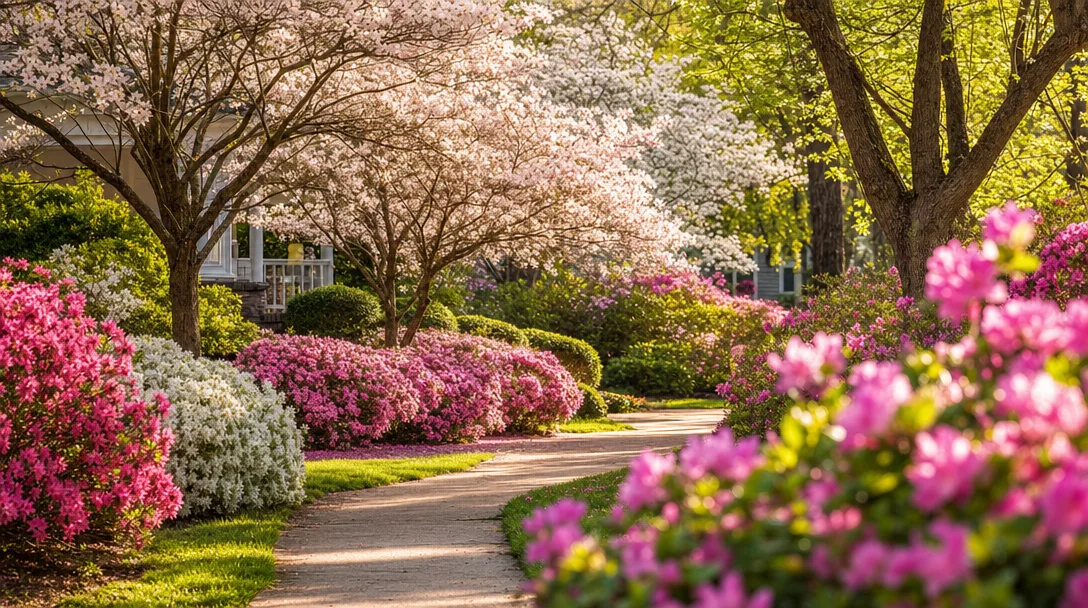
Temperatures climb from the mid-50s in March to the upper 70s by May. Dogwoods and azaleas bloom across Wake Forest, making it one of the most beautiful times of year. Be prepared for pine pollen season, which coats everything in a fine yellow dust for a few weeks in early spring.
Summer (June through August)
Summers are warm and humid with highs consistently in the upper 80s to low 90s. Afternoon thunderstorms are common, rolling in quickly and cooling down the evening. Air conditioning is standard in homes, but mornings and evenings remain ideal for enjoying Joyner Park or outdoor dining.
Fall and Winter
Fall (September through November)
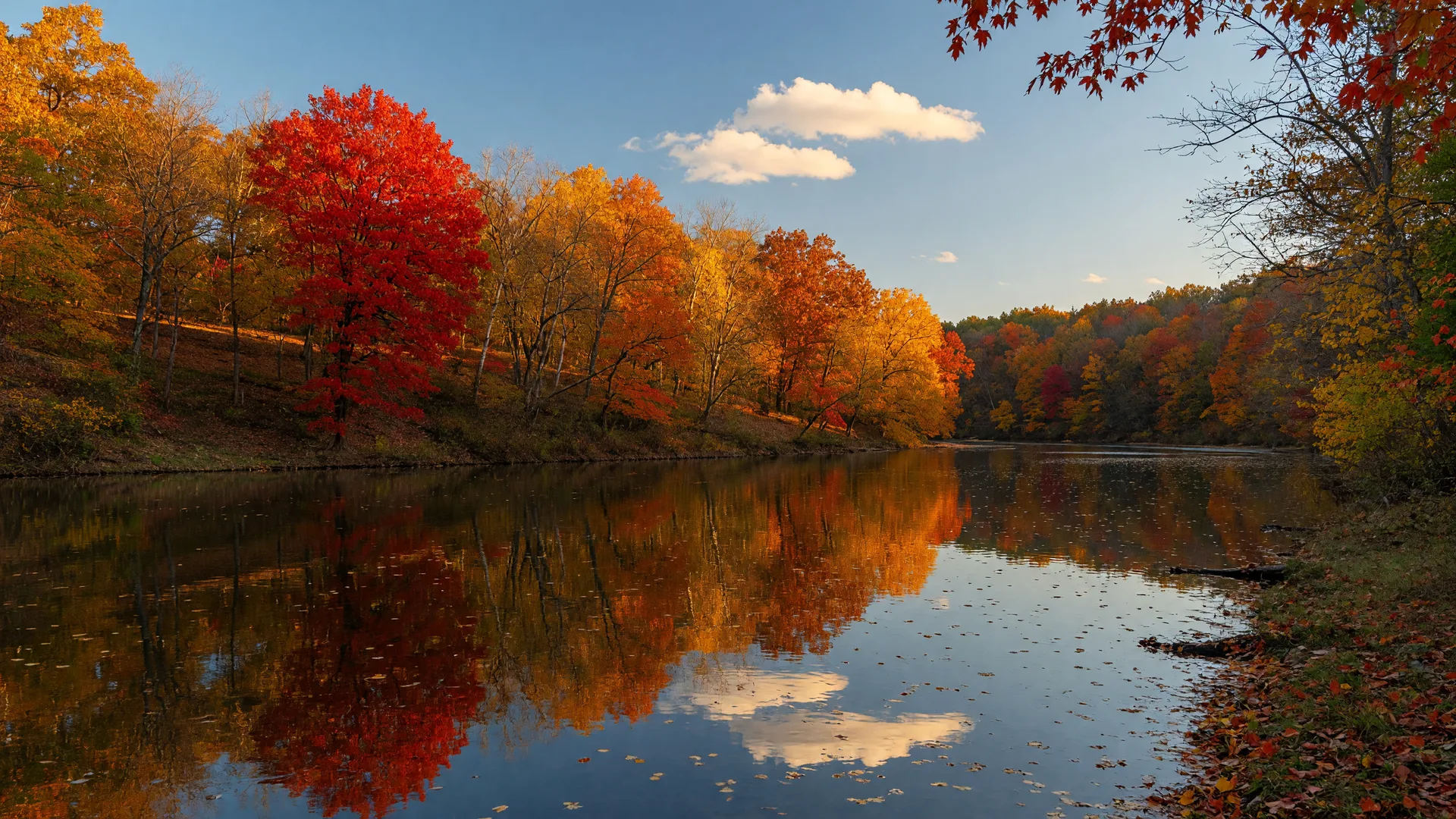
Autumn is spectacular in Wake Forest. Temperatures settle into the comfortable 60s and 70s with low humidity and crisp, clear days. Peak foliage typically hits in late October, bringing vibrant autumn colors along town greenways and Falls Lake.
Winter (December through February)
Winters are mild compared to the Northeast and Midwest, with daily highs ranging from the upper 40s to low 50s. Snowfall is light, averaging 2-4 inches per year, though occasional ice events occur. When snow does fall, the town typically pauses briefly until it melts.
Best Time to Move to Wake Forest
Spring (March through May) and fall (September through November) offer the most comfortable weather for home shopping, moving, and settling in. The mild temperatures and lower humidity make exploring neighborhoods much more enjoyable.
If you are timing a move around school calendars, note that the Wake County real estate market peaks in late spring and early summer as families aim to settle before the new school year begins in August.
Phil's Weather Insight
Phil Slezak, Real Estate Broker"Coming from the Northeast, the weather here was one of the best parts of relocating. When a forecast calls for an inch of snow, everything shuts down, which takes some getting used to! But being able to enjoy outdoor activities comfortably 10 months out of the year makes Wake Forest an incredible place to live."
Wake Forest Weather FAQ
Does it snow a lot in Wake Forest, NC?
No, Wake Forest averages only 2 to 4 inches of snow per year. Significant snow accumulation is rare and usually causes local activities to pause briefly. Ice storms occur occasionally in winter, but most snowfall melts within a day or two.
What is the best time of year to visit or move to Wake Forest?
The best times are spring (April through May) and fall (September through October). These months offer mild temperatures, comfortable humidity, blooming greenery or fall foliage, and optimal conditions for touring neighborhoods and attending town events.
How humid are summers in Wake Forest?
Summers in Wake Forest are humid, with dew points frequently in the 60s and 70s during July and August. Afternoon thunderstorms occur regularly, providing brief relief from the heat. Air conditioning is standard in virtually all residential homes and commercial buildings.
Is Wake Forest's climate different from Raleigh or Durham?
The climate across the Triangle is very similar since cities sit within 20-30 miles of each other. Wake Forest can run measurably cooler overnight than dense urban cores like Downtown Raleigh or Durham due to its suburban tree canopy and lower urban heat density.
Where Wake Forest Is Located and The Commute Reality
Wake Forest anchors the northeastern quadrant of the Research Triangle, sitting along the US-1 (Capital Boulevard), NC-98, and US-401 corridors in northern Wake County. Its geographic position places it close to Rolesville, Youngsville, and Falls Lake, while maintaining a workable commute to Raleigh, RTP, and RDU.
Distance and Drive Times from Wake Forest
Off-peak estimates. Peak-hour travel on US-1 (Capital Blvd) can add significant time.
| Destination | Distance | Off-Peak Drive | Peak-Hour Reality |
|---|---|---|---|
| Youngsville | 4 miles | 6-8 min | 10-12 min |
| Rolesville | 5-6 miles | 10-11 min | 15-18 min |
| Falls Lake (Access Points) | 2-8 miles | 5-12 min | 10-15 min |
| North Raleigh (North Hills) | 12-15 miles | 18-22 min | 30-40 min |
| Downtown Raleigh | 19 miles | 25-30 min | 40-50 min |
| RDU International Airport | 21-25 miles | 30-34 min | 45-55 min |
| Downtown Durham | 23 miles | 30-35 min | 45-55 min |
| Research Triangle Park (RTP) | 26 miles | 35-40 min | 50-65 min |
Peak-Hour Traffic Warning: Capital Boulevard (US-1) Corridor
US-1 (Capital Blvd) between Wake Forest and North Raleigh is a well-known commuter chokepoint. A 25-minute off-peak trip into Raleigh can stretch past 45 minutes during rush hour. Test your exact commute route during your actual driving window before making an offer.
What Surrounds Wake Forest
Wake Forest connects to diverse suburban, rural, and recreational destinations in every direction.
Franklin County (North)
Youngsville and Franklinton sit just north along US-401, offering larger lots and lower Franklin County tax rates for buyers seeking custom rural homesites.
Rolesville (East)
Wake Forest's smaller, fast-growing neighbor sits about 5 miles east, sharing WCPSS school zoning and offering newer subdivisions at a comparable price point.
Falls Lake (West)
The 12,000-acre reservoir's northern shoreline runs along Wake Forest's western edge, providing boating, paddle sports, and lakefront trail access minutes from downtown.
Raleigh and Wakefield (South)
Raleigh's city limits sit side by side with Wake Forest's southern boundary near Wakefield, extending the drive further south into North Hills, RTP, and Downtown Raleigh.
Where Wake Forest Fits in the Triangle Hierarchy
Four factors define Wake Forest's position in the Triangle market.
Historic Downtown Anchor
A walkable historic district and Social District along S. White Street give Wake Forest an authentic small-town identity that is rare this close to Raleigh.
Fastest-Growing Wake County Town
Rapid growth across master-planned communities like Heritage, Traditions, and Wildflower continues to draw relocation buyers to northern Wake County.
Lakefront Without the Premium
Falls Lake access sits minutes from town, giving buyers outdoor recreation without paying Jordan Lake or Lake Norman-style waterfront pricing.
Franklin County Alternatives
For buyers seeking lower tax rates or larger lots, Youngsville and Franklinton offer newer construction within 10-15 minutes of Wake Forest amenities.
Phil Slezak, Broker, Phil Slezak Real Estate"Wake Forest gives you a genuine small-town downtown and lake access that most Wake County towns can't touch, but the trade-off is real: US-1 into Raleigh is a legitimate commute, not a quick hop. If your job is in RTP or downtown Raleigh, drive the route yourself at 8:00 AM before you write an offer. It's a different commute than the map distance suggests."
Wake Forest Location and Commute FAQ
How far is Wake Forest from RTP?
Wake Forest is about 26 miles from Research Triangle Park. The drive is roughly 35-40 minutes off-peak via I-540 West, but during peak rush hour, it can stretch to 50-65 minutes.
How long does it take to drive from Wake Forest to RDU Airport?
RDU International Airport is about 21 to 25 miles from Wake Forest via I-540 West. The off-peak drive takes 30-34 minutes. During peak commute hours, plan for 45-55 minutes.
How far is Wake Forest from Downtown Durham?
Downtown Durham is about 23 miles west of Wake Forest via NC-98. The off-peak drive takes roughly 30 to 35 minutes, stretching to 45-55 minutes during peak hours.
Can you commute to Downtown Raleigh daily from Wake Forest?
Yes, many residents commute from Wake Forest to Downtown Raleigh, which is 19 miles south. The drive takes 25-30 minutes off-peak and 40-50 minutes during peak hours via US-1 (Capital Blvd). Express bus transit via the Wake Forest-Raleigh Express (WRX) is also available.
Future Growth and Development in Wake Forest, NC
Unlike land-constrained neighbors, Wake Forest operates without a rigid urban growth boundary limiting expansion. Adding residents at a 4.25% annual pace and ranking in the top 3% of North Carolina municipalities for growth, the town actively balances rapid commercial corridors, downtown infill, and major transit upgrades.
Employment and Commercial Growth Initiatives
Grove 98 Commercial Corridor
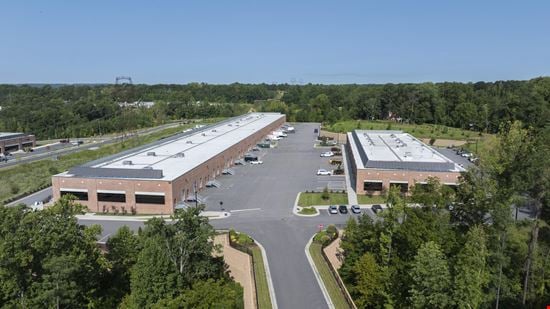
Anchored by the 105,000 sq ft Wegmans along the NC-98 Bypass, the 95-acre mixed-use development continues filling out outparcels with Torchy's Tacos, CAVA, One Medical, and specialty retail.
Rogers Road Commercial Hubs
Expanding retail and service corridors connecting South Wake Forest and Rolesville, delivering fast-casual dining, primary medical facilities, and everyday grocery convenience.
Active Downtown Infill and Corridor Redevelopments
Wake Forest Food Hall & Park
A ~20,000 sq ft food hall inside the restored 80-year-old S&W Chevrolet building paired with a 2.5-acre public park, anchoring the Roosevelt Avenue redevelopment corridor.
Ailey Young House Heritage Site
A dedicated historic park project centered around the Ailey Young House a Local Historic Landmark preserving the town's oldest African American historic site with new greenway links.
Transit Mobility and Greenway Infrastructure
US-1 (Capital Blvd) Freeway Upgrade
NCDOT's major project converting US-1 into a controlled-access freeway from I-540 to Purnell/Harris Road, adding grade-separated interchanges at Durant, Burlington Mills, Falls of Neuse, and Purnell Roads.
50+ Mile Greenway System Expansion
The town continues expanding its 50+ miles of developed and planned greenways including the Joyner Park loop and Smith, Sanford, and Dunn Creek corridors requiring new subdivisions to connect directly into the trail grid.
Northern Border and Franklin County Expansion
Youngsville Growth Corridor
Located 4 miles north, Youngsville grows at roughly 3% annually as new subdivisions rise on former farmland, offering lower Franklin County tax rates while utilizing Wake Forest retail.
Franklinton Corridor
Further north along US-1, Franklinton draws new-construction buyers priced out of Wake County, offering larger acreage lots and more affordable land within a 15-minute drive of town amenities.
Rural Franklin County Land
Custom acreage parcels on former agricultural land appealing to buyers wanting custom builds, privacy, and equestrian options without completely exiting the Wake Forest school and shopping orbit.
Phil Slezak, Broker, Phil Slezak Real Estate“Wake Forest's growth is a double-edged sword for buyers. It keeps resale demand strong and draws premier new amenities, but traffic and school assignments can shift. The S-Line rail and US-1 freeway upgrades are long-term game changers if you're buying for the next decade, downtown and the White Street corridor deserve a serious look.”
Frequently Asked Questions About Growth in Wake Forest
Why is Wake Forest growing so fast?
Unlike land-constrained towns with strict growth boundaries, Wake Forest guides expansion through its 2022 Community Plan across an active Extra-Territorial Jurisdiction (ETJ). Combined with top WCPSS school access, a vibrant historic downtown, and strong relative value compared to Raleigh, the town reached an estimated population of ~64,600 at a 4.25% annual growth rate.
What is the S-Line passenger rail project in Wake Forest?
The S-Line is a $1.09 billion federally funded passenger rail initiative connecting Raleigh to Richmond, VA. Wake Forest will feature a multi-modal transit station at 120 S. White Street, with passenger service expected to open around 2030 and full Raleigh-Wake Forest completion around 2032.
What major road upgrades are planned for Capital Boulevard (US-1)?
NCDOT is converting US-1 into a controlled-access freeway from I-540 north to Purnell/Harris Road in Wake Forest. The project replaces traffic lights with grade-separated interchanges at Durant Road, Burlington Mills Road, Falls of Neuse Road, and Purnell Road to ease commuter congestion.
Why is residential growth spilling into Franklin County?
As buildable land inside Wake Forest becomes pricier, homebuilders are expanding into Youngsville and Franklinton just across the county line. Buyers gain larger lots and lower Franklin County property tax rates (~$0.505 base) while remaining 10-15 minutes from Wake Forest shopping, dining, and medical care.
Awards and National Recognition
Wake Forest has evolved from a quiet Wake County suburb into a nationally recognized relocation magnet. Recognized for public safety, top-rated schools, historic downtown preservation, and civic planning, it draws buyers from across the country seeking a premier suburban lifestyle.
America's Most In-Demand Suburb
Wake Forest is a premier national relocation destination. High inbound search volume, strong relative housing value, and high quality-of-life metrics consistently elevate the town to top national and statewide rankings.

Accredited Main Street & Planning Excellence
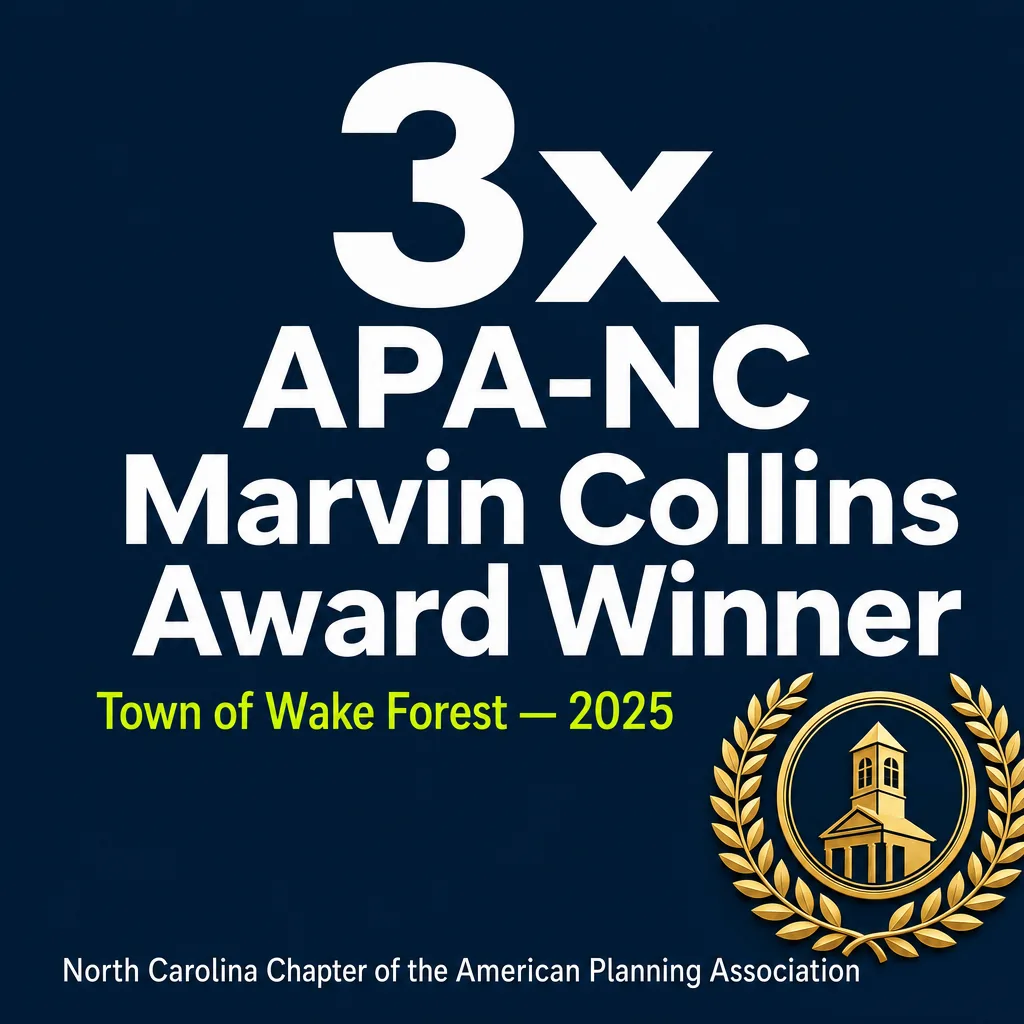
Wake Forest combines authentic historic preservation with forward-thinking urban planning. The town's civic investments in microtransit, historic downtown, and greenways regularly win statewide planning honors.
National Recognition at a Glance
Phil Slezak, Real Estate Broker"When national outlets like MoveBuddha call Wake Forest the hottest suburb in America, it's not just a bragging point — it's a signal to buyers that our demand pool is expanding well beyond the Triangle. I'm fielding more out-of-state relocation calls than ever. For sellers, that recognition is real leverage. For buyers, it means the window to buy before prices appreciate further is narrower than people think."
Awards and Recognition: Frequently Asked Questions
Why is Wake Forest called the "hottest suburb" in America?
MoveBuddha migration data ranked Wake Forest the nation's #1 most in-demand suburb based on inbound vs. outbound search ratios (nearly 5 people searching to move in for every 1 person leaving). The ranking reflects strong national interest driven by relative affordability, top WCPSS/charter schools, and a walkable historic downtown.
What does Wake Forest's Niche.com A+ grade mean?
Niche.com's overall A+ grade for Wake Forest is compiled from category scores including an A for public schools, A+ for family friendliness, and A for jobs/economic strength, ranking it among the premier communities to live in the Raleigh metropolitan area.
Is Wake Forest an accredited Tree City USA?
Yes. Wake Forest has held Tree City USA status continuously since 1979 from the Arbor Day Foundation and has earned the Growth Award annually since 2000, reflecting sustained civic investment in its urban forest canopy as the town expands.
How walkable is Downtown Wake Forest?
Downtown Wake Forest (centered along S. White Street) carries a Walk Score of 69 ("Somewhat Walkable"), meaning many shops, restaurants, coffee roasters, and events are accessible on foot. While town-wide suburban averages are lower, the historic core provides walkable small-town living.
What Salary Do You Need to Live in Wake Forest, NC (2026)?
$160,000 – $170,000 per year
This is the household income range that comfortably supports a median-priced single-family home in Wake Forest ($599,990, per Doorify MLS closed sales), assuming a 20% down payment and current interest rates.
Salary-to-Home-Price Table
| Home Price Tier | Home Price Range | Income Needed |
|---|---|---|
| Starter | $320K – $450K | $90K – $120K |
| Mid-Range (Median) | $450K – $700K | $120K – $190K |
| Premium | $700K – $1M | $190K – $270K |
| Luxury | $1M+ | $270K+ |
Median single-family sold price of $599,990 based on 105 closed Wake Forest listings, Doorify MLS.
Monthly Payment Breakdown (Based on $599,990 Median Sold Price)
Assuming 20% down payment, 6.5% interest rate
| Expense | Monthly Cost |
|---|---|
| Mortgage P&I | ~$3,034 |
| Property Tax | ~$469–$479 |
| Insurance | ~$175 |
| HOA | $75 – $150 |
| Total Estimated Monthly Payment | ~$3,750 – $3,840 |
How This Is Calculated
The income figures assume a front-end debt-to-income (DTI) ratio of 28%, the standard lenders use for housing expenses. This means monthly housing costs (mortgage principal and interest, property taxes, homeowners insurance, and HOA dues) should not exceed 28% of gross monthly income.
We also assume a 20% down payment and a 6.5% interest rate on a 30-year fixed-rate mortgage, which helps avoid private mortgage insurance (PMI) and keeps monthly payments manageable.
For the monthly breakdown, the median single-family sold price of $599,990 (Doorify MLS, closed listings) with 20% down gives a loan amount of approximately $480,000. At 6.5% over 30 years, the principal and interest payment comes to approximately $3,034 per month.
Phil Slezak, Broker, Phil Slezak Real Estate"The starter tier in Wake Forest is what surprises most relocating buyers. You can still find a townhome, condo, or an older bungalow near downtown for under $450,000 in this market, which means a household earning $90,000 to $120,000 can absolutely get a foothold here. It's not all Hasentree-style estates. The key is knowing which neighborhoods and property types stretch your budget the furthest, and that's where working with someone who knows the town street by street makes the difference."
Frequently Asked Questions About Affording Wake Forest
What income do you need to buy a median-priced home in Wake Forest, NC?
To comfortably afford the median-priced single-family home in Wake Forest ($599,990, per Doorify MLS closed sales), you need a household income of approximately $160,000 to $170,000 per year. This assumes a 20% down payment, a 30-year fixed-rate mortgage at 6.5%, and a front-end debt-to-income ratio of 28%.
Can I afford a home in Wake Forest on a $100,000 salary?
Yes, though it means shopping the starter tier rather than the median. A $100,000 salary gives you roughly a $2,333 monthly housing budget at the standard 28% DTI ratio, which supports a home in the $320,000 to $370,000 range with 20% down.
How does Wake Forest's affordability compare to Chapel Hill or Cary?
Wake Forest remains well below Chapel Hill, where the median runs closer to $825,000. But Wake Forest's single-family median of $599,990 now sits close to Cary's. Its relative value today shows up more in comparison to Chapel Hill and in the town's still-active new-construction pipeline.
What down payment do I need to buy in Wake Forest?
While you can buy with as little as 3-5% down using conventional or FHA loans, a 20% down payment is recommended to avoid PMI. For the median single-family sold price of $599,990, a 20% down payment is about $120,000. For starter homes in the $320,000 to $450,000 range, a 20% down payment would be $64,000 to $90,000.
Honest Pros and Cons of Living in Wake Forest, NC (2026)
Every real estate market involves trade-offs. Wake Forest's are transparent — which is why buyers who evaluate the town with an honest, complete picture make better decisions and stay longer.
The Pros
Why Buyers Choose Wake Forest
Top-Rated WCPSS & Charter Schools
Access to high-performing Wake County base schools like Heritage High (#4 in WCPSS) and top-tier public charters like Franklin Academy (10/10 GreatSchools).
Walkable Historic Downtown & Social District
Historic South White Street features a designated Social District, local craft breweries, independent dining, and year-round community street festivals.
Abundant Parks, Lakes, & 50+ Greenway Miles
Home to the 117-acre E.Carroll Joyner Park, the 50-acre Wake Forest Reservoir, and direct boat ramp access to the 12,000-acre Falls Lake.
High Relative Value & New Construction Pipeline
Offers modern master-planned living and new construction options at a significant discount compared to Chapel Hill ($825K median).
Self-Sustained Healthcare & Commercial Ecosystem
Features Wegmans at Grove 98, Duke Health Heritage, WakeMed MyCare 365, and major national retail without needing to drive into Raleigh for daily needs.
Consistently Low Crime & Family-Safe Community
Consistently ranks among the safest municipalities in the Triangle, making it a nationwide relocation magnet for families and retirees.
The Cons
What Buyers Need to Weigh
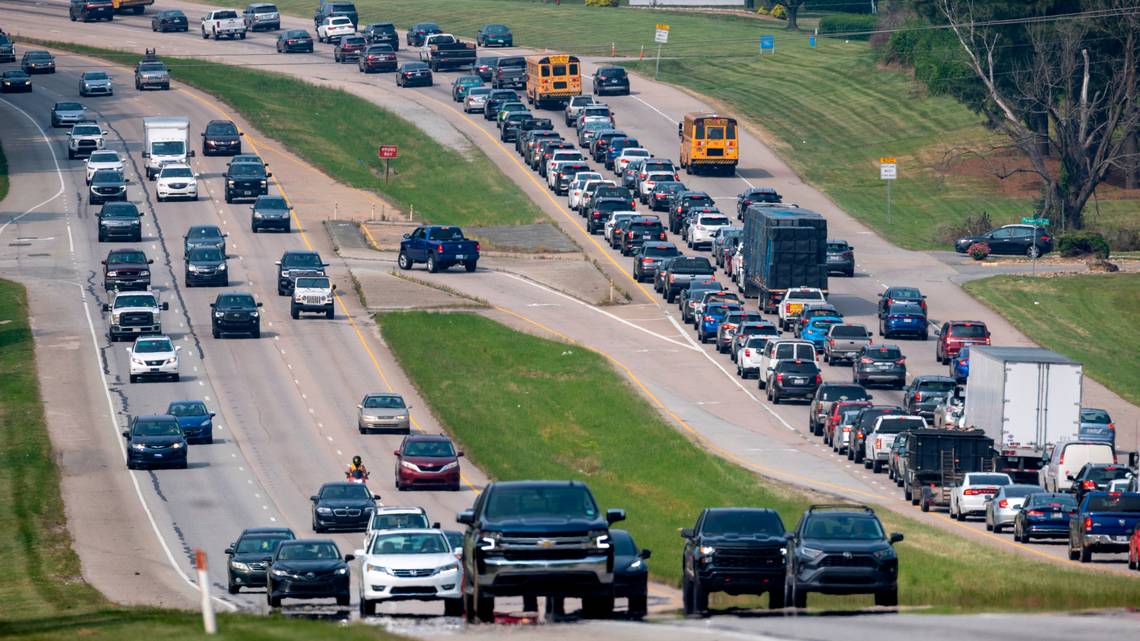

Capital Boulevard (US-1) Commuter Bottlenecks
Peak morning and evening rush hour south into Downtown Raleigh or RTP can stretch 25-minute off-peak trips into 45-65+ minute drives.
Rising Median Single-Family Prices
With closed single-family medians reaching $599,990 (Doorify MLS), Wake Forest is no longer the budget alternative to Cary it once was.
Car-Dependent Suburban Layout Outside Downtown
While South White Street is walkable (69 Walk Score), the town-wide average is 20, meaning nearly all daily errands require driving.
WCPSS Reassignment & Rapid Growth Shifts
As Wake County grows at 4.25% annually, school attendance boundaries and traffic patterns can shift periodically to manage new development.
Distance to RDU Airport & Western RTP Job Hubs
Sitting 22-26 miles from RDU Airport and RTP, frequent air travelers and western Triangle commuters face longer travel times via I-540.
Spring Pine Pollen Season
Like much of the Triangle, March and April bring heavy yellow pine pollen that coats outdoor furniture, cars, and driveways for several weeks.
Moving to or Selling in Wake Forest?
Buy with complete confidence under Phil's Lifetime Guarantee. If you're ever unhappy with your home purchase, we'll list it for $0 listing commission when you buy your next home with us, backed permanently in writing.
Market Fit Diagnostic — Is Wake Forest Right for You?
RIGHT MARKET FOR YOU
- ✔ Families prioritizing top-tier WCPSS schools and public charter options like Franklin Academy.
- ✔ Buyers seeking a vibrant, walkable historic downtown core paired with modern master-planned amenities.
- ✔ Outdoor enthusiasts wanting 50+ greenway miles, Joyner Park, and direct access to Falls Lake.
- ✔ Relocation buyers wanting newer construction single-family homes or townhomes under $600K.
- ✔ Remote workers or local North Raleigh commuters who rarely travel into Durham or West Cary.
WRONG MARKET FOR YOU
- ✘ Daily commuters to Downtown Raleigh or RTP who cannot tolerate peak-hour Capital Boulevard traffic.
- ✘ Budget-conscious buyers seeking detached single-family homes under $350,000.
- ✘ Buyers who want 100% urban walkability where a car is completely unnecessary for daily errands.
- ✘ Frequent business travelers who require a 10-minute commute to RDU International Airport.
- ✘ Buyers seeking multi-acre rural homesteads directly in the heart of town.
Not Sure If Wake Forest Is Right for You?
A brief strategy call can save you weeks of research. Let's discuss your priorities, compare school district boundaries, and evaluate whether Wake Forest, Rolesville, or North Raleigh is your best Triangle match.
Phil Slezak, Broker, Phil Slezak Real Estate"Wake Forest is not the right market for every buyer. If your top priority is maximum square footage for your dollar or a quick commute to Downtown Raleigh, look at Youngsville, Franklinton, or Garner. But if you value top-rated public schools, a walkable historic downtown, and a true town community, Wake Forest is tough to beat."
Common Questions About Living in Wake Forest, NC
Is it worth paying higher home prices to live in Wake Forest?
For buyers prioritizing top WCPSS school assignments, a historic downtown Social District, and 50+ miles of greenway trails, yes. While single-family medians have reached $599,990, the town offers strong long-term equity protection, low crime metrics, and relative value compared to Chapel Hill (~$825K).
What are the main disadvantages of living in Wake Forest, NC?
The primary drawbacks are peak-hour traffic bottlenecks along US-1 (Capital Boulevard), rising single-family purchase thresholds ($599,990 median), car dependency outside the historic downtown core, and distance from RDU Airport and RTP job hubs.
What are cheaper alternatives to Wake Forest with similar benefits?
Rolesville offers nearby master-planned subdivisions and shares WCPSS school access 5 miles east. Youngsville and Franklinton sit 4-10 miles north in Franklin County, offering lower property tax rates (~$0.505 base) and larger lot sizes while keeping Wake Forest shopping and dining within a 10-minute drive.
People Also Ask
Quick answers to the questions I hear most often from buyers considering Wake Forest.
Is Wake Forest, NC a good place to live?
▲Yes, Wake Forest is consistently ranked among the best places to live in North Carolina and was named the #1 Hottest Suburb in America by MoveBuddha. It offers top-ranked Wake County public and charter schools, a vibrant historic downtown with a designated Social District, over 50 miles of greenways, and direct access to Falls Lake.
What is the cost of living in Wake Forest, NC?
▲Wake Forest is a premier suburban market within the Research Triangle. The median single-family home price is $599,990 (per Doorify MLS closed sales), and a household income of approximately $160,000 to $170,000 per year comfortably supports a median-priced home. Starter townhomes and condos are available starting in the $320,000 to $450,000 range.
How far is Wake Forest from Raleigh and RDU Airport?
▲Downtown Wake Forest is approximately 19 miles north of Downtown Raleigh, a 25 to 30 minute off-peak drive via US-1 (Capital Blvd). RDU International Airport is 21 to 25 miles away (about 30 to 34 minutes via I-540 West), and Research Triangle Park (RTP) sits roughly 26 miles away.
What are the best neighborhoods in Wake Forest, NC?
▲Top neighborhoods include Hasentree for luxury gated country club living, Heritage for master-planned golf and greenway walkability, Traditions for modern resort-style amenities near the reservoir, Historic Downtown for walkable small-town charm, Stonewater for established custom homes, and Grand Highland Estates for 1+ acre wooded luxury.
How are the public schools in Wake Forest, NC?
▲Wake Forest public school students are served by the top-ranked Wake County Public School System (WCPSS). Highly regarded local options include Heritage High School (one of the top-ranked high schools in WCPSS) and Wake Forest High School, complemented by premier tuition-free public charters like Franklin Academy (Grade A, 10/10 GreatSchools) and Wake Forest Charter Academy.
Is Wake Forest a walkable town?
▲Downtown Wake Forest (centered along S. White Street) carries a Walk Score of 69 ("Somewhat Walkable"), featuring an active Social District, local restaurants, coffee shops, and breweries within a few blocks. While the downtown core is walkable, town-wide suburban development is car-dependent (average Walk Score 20).
Is Wake Forest significantly cheaper than Cary or Chapel Hill?
▲Wake Forest is roughly 27% less expensive than Chapel Hill (where medians hover around $825,000). However, Wake Forest's median single-family price of $599,990 now sits very close to Cary ($600,000-$660,000), making its value proposition center on newer construction inventory and master-planned amenities rather than a massive price discount.
Is Wake Forest still growing?
▲Yes, Wake Forest is one of the fastest-growing municipalities in North Carolina, expanding at an annual rate of 4.25% to reach an estimated population of ~64,600. Growth is driven by major commercial expansions like Grove 98 (Wegmans), downtown infill projects (Food Hall, PowerHouse Row II), and major infrastructure like the S-Line passenger rail.
What is the combined property tax rate in Wake Forest, NC?
▲The combined property tax rate for properties inside town limits is $0.9571 per $100 of assessed value, combining the Wake County rate of $0.5371 and the Town of Wake Forest rate of $0.4200. This is comparable to Raleigh ($0.9091) and Cary ($0.9046), while Durham's combined rate is higher at $1.0163.
What are the top things to do in Wake Forest, NC?
▲Popular activities include strolling the historic South White Street Social District, tasting craft beer at White Street Brewing or Norse Brewing, exploring E. Carroll Joyner Park, boating or kayaking at Falls Lake State Recreation Area, catching Friday Night on White street concerts, and shopping at the Grove 98 / Wegmans hub.
Phil's Perspective
Phil Slezak — Broker, Phil Slezak Real Estate"Out-of-state relocation buyers often ask me about the trade-offs in Wake Forest. Capital Boulevard traffic and rising home prices are real considerations, but so are the advantages: top Wake County public and charter schools, a vibrant historic downtown with an active Social District, and 50+ miles of greenways. If those community priorities align with your budget, Wake Forest offers one of the best suburban lifestyles in the Triangle."
Frequently Asked Questions
What are the zip codes in Wake Forest, NC?
▲Wake Forest is served primarily by ZIP code 27587, which covers historic downtown, Heritage, Traditions, Holding Village, and almost all residential neighborhoods. ZIP code 27588 is a PO Box-only code and does not contain residential homes. Nearby border zip codes include 27571 (Rolesville) and 27596 (Youngsville).
Does Wake Forest have public transit to Raleigh?
▲Yes. Local on-demand rides are provided throughout town, Wakefield, and Rolesville via Go Wake Forest microtransit, operating distance-based fares ($2.50-$4.50 standard, with reduced fares for seniors and qualified riders). For Raleigh commuters, GoTriangle operates the Wake Forest-Raleigh Express (WRX), providing direct peak weekday express runs to Downtown Raleigh Union Station alongside local connections at Triangle Town Center. Long-term transit plans also include the S-Line passenger rail station downtown.
What is the median home price in Wake Forest?
▲The median closed single-family sold price in Wake Forest is $599,990 (per Doorify MLS closed sales). Prices range from around $320,000 for starter townhomes and condos to $1.6 million to $3 million and up for custom luxury estates in gated enclaves like Grand Highland Estates and Hasentree.
How far is Wake Forest from the beach and mountains?
▲Wake Forest offers great statewide access. Driving to Wrightsville Beach takes roughly 2.5 hours via I-40 East, while the Outer Banks sit about 3.5 to 4 hours east via US-64. To the mountains, Boone is approximately 3 to 3.5 hours west and Asheville is about 4 hours via I-40 West.
What is the quality of life like in Wake Forest?
▲Wake Forest is widely considered one of the top family communities in the Triangle. It features top-rated public base schools in the Wake County district (WCPSS) like Heritage High, tuition-free public charter options like Franklin Academy (10/10 GreatSchools), low crime metrics, over 560 acres of public parks (including 117-acre Joyner Park), and 50+ miles of greenway trails.
Ready to Make Your Move to Wake Forest?
Sell your existing property and purchase your next home within 90 days with our Sold Zero Commission program. Keep more equity in your pocket.
Phil's Perspective
Phil Slezak - Broker, Phil Slezak Real Estate"Wake Forest has earned its reputation as one of the premier addresses in the Triangle honestly. The Wake County public and charter school options are exceptional, historic South White Street and the Social District offer an authentic small-town lifestyle, and the community built around Joyner Park and Falls Lake is genuinely special. Capital Boulevard commutes require planning - but if those trade-offs work for your budget and priorities, there is no better suburban market in the Triangle."
Phil's Perspective on Wake Forest

“Wake Forest gives you an authentic town identity with deep historic roots that most Triangle suburbs simply can't replicate. The Wake County public base schools are top-notch, the public charter options like Franklin Academy are among the best in the state, and historic South White Street with its Social District gives residents a real community gathering place.”
“The trade-offs are real. US-1 South into Raleigh is a legitimate peak-hour commute, and median single-family prices rising near $600,000 mean it is no longer a low-cost secret. But for buyers who want strong long-term property values, 50+ miles of greenways, and direct access to Falls Lake, the quality of life here is unbeatable.”
“If you are considering Wake Forest, call me. Let's talk about your priorities, your budget, and your timeline. I will tell you honestly whether Wake Forest is the right fit – and if it isn't, I will help you find the Triangle community that is.”
Ready to Make Your Move to Wake Forest?
Whether you are months away or ready to move now, a quick conversation can save you weeks of research. Let us talk about what Wake Forest can offer you and your family.
Book a Strategy Session
A no-pressure conversation about your goals, timeline, and what you are looking for. Learn how Phil's team can help you move with confidence.
BOOK YOUR CALLText WAKEFOREST to 919-899-2320
Text the word WAKEFOREST and I will send you a personalized list of homes that match your criteria, along with a free relocation guide.
CALL OR TEXT NOWSearch Wake Forest Homes
Browse all active Wake Forest listings updated directly from the MLS. Filter by price, beds, baths, and neighborhood to find your perfect home.
SEARCH NOW