Living in Raleigh, NC (2026 Guide)
If you are planning a move to the Triangle, Living in Raleigh, NC represents the ultimate combination of economic opportunity, world-class education, and affordable luxury.
This complete 2026 guide covers home prices, suburbs, neighborhoods, schools, commute times, cost of living, and the honest truth about what it's really like to live here — from a licensed broker who has spent 20+ years helping buyers find the right fit in the Triangle.
514,000+
Population & Growing
~$445K
Median Home Price
1.6M
Metro Area People
Top 10
Fastest-Growing U.S. Metro
This Raleigh guide is researched and written by Phil Slezak, a licensed NC broker with 20+ years in the Triangle who has helped 500+ buyers and sellers across the Greater Triangle.
Living in Raleigh, NC - The Complete Package
If you are planning a move to the Triangle, Living in Raleigh, NC represents the ultimate combination of economic opportunity, world-class education, and affordable luxury.
This complete 2026 guide covers home prices, suburbs, neighborhoods, schools, commute times, cost of living, and the honest truth about what it's really like to live here — from a licensed broker who has spent 20+ years helping buyers find the right fit in the Triangle.
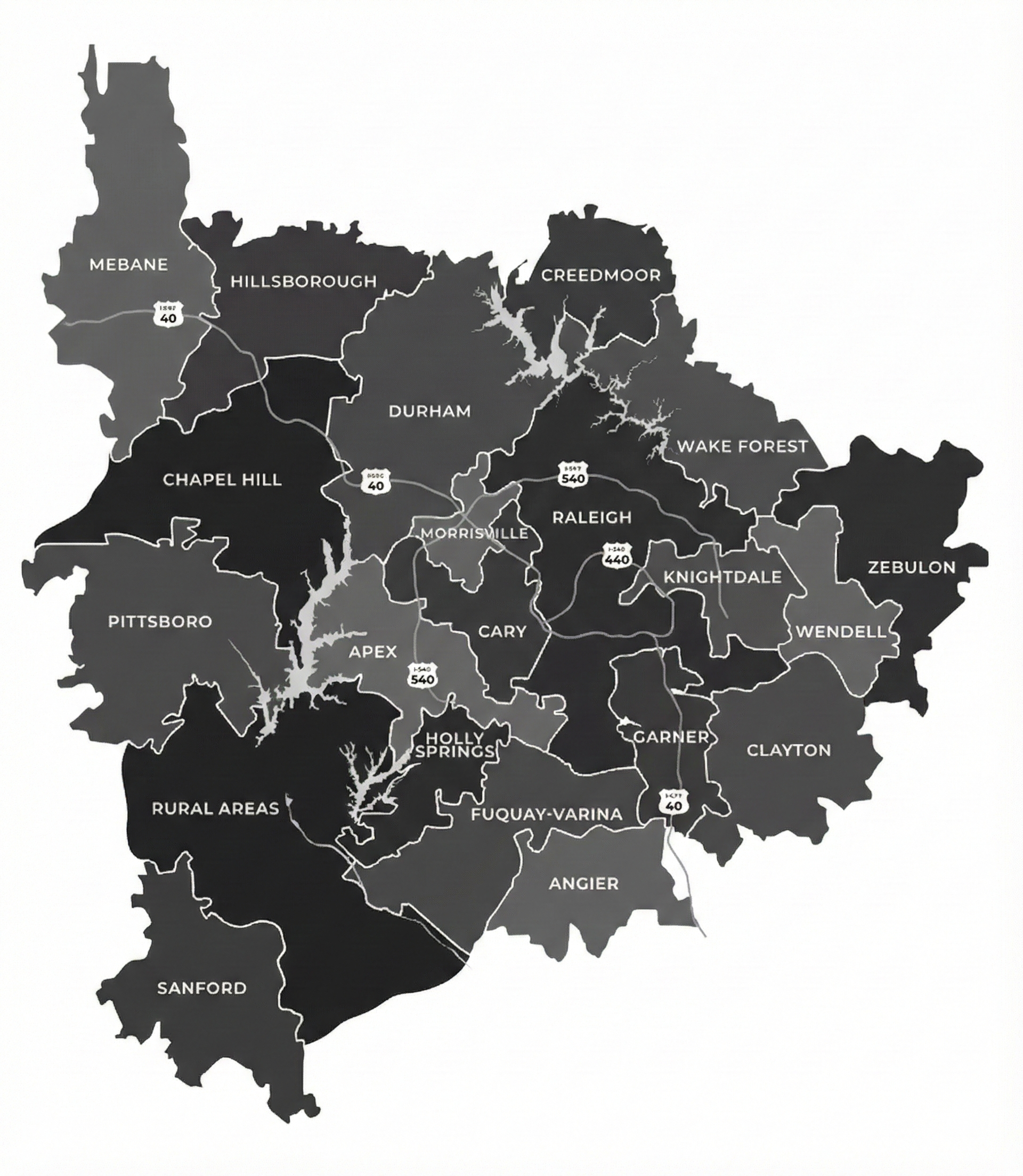
Raleigh is North Carolina's capital city and the anchor of the Research Triangle - a region defined by the concentration of NC State University, Duke University, UNC Chapel Hill, and Research Triangle Park, one of the largest research and technology employment corridors in the world. That intellectual and economic foundation is what separates Raleigh from other Sun Belt growth markets. The growth here is not speculative. It is driven by sustained employer investment, a world-class university pipeline, and the kind of innovation economy that has historically supported residential values through market cycles that punish less-diversified markets.
For buyers relocating from out of state, Raleigh offers something increasingly rare in 2026 - a genuinely complete urban market at a price point that still makes financial sense. The downtown dining and arts scene rivals cities twice its size. The greenway system provides outdoor access without leaving the city. NC State's Centennial Campus and the growing Midtown corridor are delivering urban mixed-use development at a pace that is reshaping the city's identity. And for buyers who want more space, more land, or a different lifestyle than urban Raleigh offers - 22 suburbs across the Triangle are within 45 minutes, each with its own distinct character, price point, and commute reality. This guide covers all of it.
What's Inside This Guide
Raleigh, NC Real Estate Market Snapshot (2026)
| Metric | Value (2026) |
|---|---|
| Median Home Price | ~$445,000 |
| Price per Sq Ft | ~$245 |
| Avg Days on Market | 45 days |
| Median Rent | ~$1,850/mo |
| Year-over-Year Price Change | +3.2% |
| Active Inventory | ~2,800 homes |
| Sale-to-List Price Ratio | ~98.5% |
| New Listings (Monthly) | ~1,900 |
| Population (Raleigh city) | ~514,000 |
| Median Household Income | ~$89,000 |
Sources: Zillow, Redfin, Homes.com, Wake County Tax Administration | Last updated August 2026
The Raleigh real estate market continues to show incredible strength and resilience. With a median home price of approximately $445,000 and a steady year-over-year appreciation rate of 3.2%, active inventory sits at roughly 2,800 properties. This gives active buyers moving to Raleigh NC significantly more selection than in previous years, while still maintaining a competitive environment where homes sell near 98.5% of list price. The overall cost of living in Raleigh remains highly favorable relative to the expensive coastal metros buyers are leaving behind. This affordability equation, backed by a healthy local job market, supports the ownership thesis for relocators.

Phil's Perspective
"I relocated to the Triangle from Connecticut over 20 years ago, and I still remember what it felt like to research a market from the outside. That experience shapes everything we build - honest data, real trade-offs, and the kind of local insight you won't find in a generic listing portal."
— Phil Slezak, Real Estate Broker, Phil Slezak Real Estate
Why Are People Moving to Raleigh, NC in 2026? (An Honest Look)
The Raleigh metro area was the 10th fastest-growing metro in the United States between July 2024 and July 2025, growing 2.4% to nearly 1.6 million people. That is not a coincidence or a pandemic-era anomaly - it is the compounding result of five sustained advantages that no other mid-sized American city can currently match simultaneously.
The Jobs Are Here and They Are Getting More Diverse
Research Triangle Park — situated just 15-25 minutes from most Raleigh neighborhoods — remains one of the largest tech hubs in the world. This proximity drastically cuts down on daily Raleigh commute times compared to major metros. Additionally, Apple's $1 billion campus is actively hiring, and the ripple effect of Google, Meta, and dozens of biotech firms continues to fuel job growth across the Triangle.
The Price Still Makes Sense
At a median of approximately $445,000, Raleigh remains meaningfully more affordable than every comparable-quality metro on the East Coast. A dual-income household earning $150,000 per year that is stretched thin in Washington DC is comfortably positioned in Raleigh - owning a home near a vibrant dining corridor, saving aggressively, and paying a flat 3.99% state income tax rather than DC's graduated rate that reaches 10.75%. That gap is what drives the sustained in-migration wave from Northern Virginia, New York, and Boston that shows no sign of slowing.
The University Infrastructure Is Irreplaceable
NC State, Duke, and UNC Chapel Hill within 35 minutes of each other creates a talent pipeline, research infrastructure, and cultural energy that cannot be replicated in markets without it. For employers, that pipeline drives location decisions. For residents, it drives the restaurant quality, arts programming, sporting events, and intellectual community character that defines Raleigh's identity. No Sun Belt competitor can manufacture what the Research Triangle's three-university concentration delivers.
The Outdoor Access Is Underrated
William B. Umstead State Park adjacent to RTP. Falls Lake 30 minutes north. Jordan Lake 30 minutes west. 140+ miles of city greenways. Lake Johnson for weekday paddling. The Blue Ridge Mountains three and a half hours west and the NC coast two hours south. For buyers relocating from coastal cities who assumed they were giving up access to nature - the Triangle's outdoor infrastructure consistently delivers the most positive quality-of-life surprise of the relocation.
The Quality of Life Is Finished
This is the most important point - and the one buyers most frequently miss when they are still in research mode. Raleigh's quality of life infrastructure is not a rendering. The greenways are built. The parks are open. The dining scene is mature. The arts institutions are operating. The hospitals are staffed. The schools are funded. Buyers coming from markets where quality of life is still a decade away from delivery tend to understand this immediately when they spend a weekend in Raleigh rather than reading about it.
Homes for Sale in Raleigh
Explore the most up-to-date homes for sale in Raleigh, updated hourly from the local Wake County MLS. Whether you are searching for established suburban estates, modern downtown townhomes, or upcoming new construction in Raleigh, you can filter active listings below with no login required.
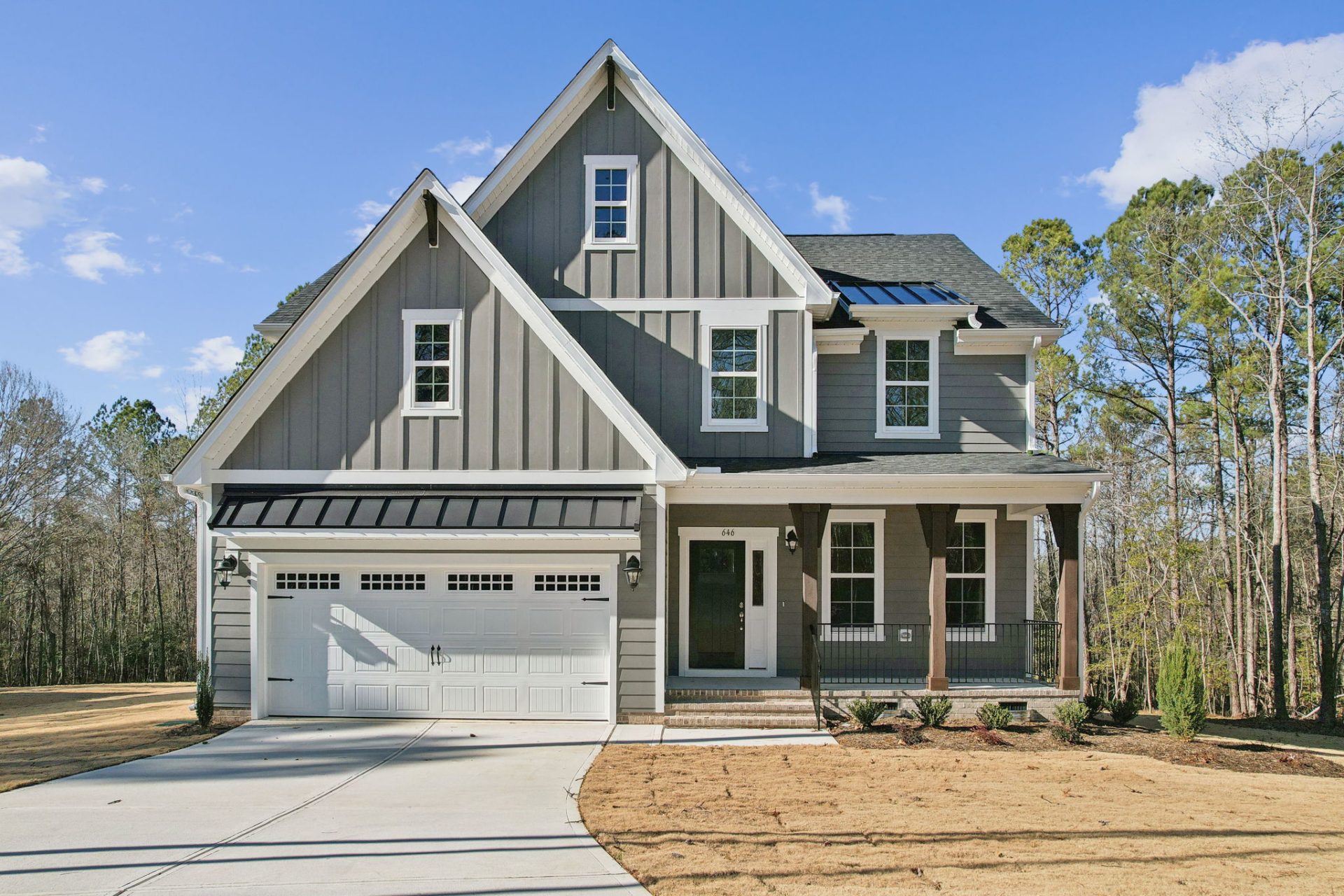
Raleigh Housing Guide : New Construction or Resale
Raleigh's housing market in 2026 is defined by a blend of resale inventory and a wave of new construction that continues to reshape what's available across the metro. The median price across the Triangle hovers around $445,000, but that number stretches differently depending on where you're looking - urban infill townhomes inside the Beltline can start in the mid-$300s, while custom-built homes in North Raleigh's established corridors or Cary's executive neighborhoods push well past $1 million. The throughline across every submarket is demand: Raleigh continues to attract relocation buyers from high-cost metros along the East Coast and Midwest, and that demand, combined with sustained job growth anchored by Research Triangle Park and a steady pipeline of university graduates, keeps the market competitive even as inventory has improved compared to the peak-tightness years.
One of the most important things relocators should understand about Raleigh's current market is the role new construction plays in available inventory. Nationally, new construction typically accounts for roughly 10-15% of active listings - in the Raleigh metro, that share runs significantly higher, especially in the suburban corridors south and east of the city where large master-planned communities are being built out in phases. This means that buyers who are open to new construction have more options and more negotiating leverage than they might in markets where resale is the only realistic path. At the same time, the resale market in desirable established neighborhoods - Five Points, Boylan Heights, North Hills, Wake Forest - moves quickly, and well-priced homes in those areas still attract multiple offers.
Where New Construction Is Happening
The patterns of new development in Raleigh follow a clear logic. Urban infill projects are filling in gaps inside the Beltline, while large-scale master-planned communities are pushing outward along the growth corridors. If you are searching for modern new construction in Raleigh, you will find townhome projects going up in Glenwood South, the Warehouse District, and along emerging walkable corridors near downtown. This rapid development is a major reason why people are moving to Raleigh in such high numbers — it allows relocators to secure modern, energy-efficient properties within minutes of their new jobs.
Types of Homes You'll Find in Raleigh
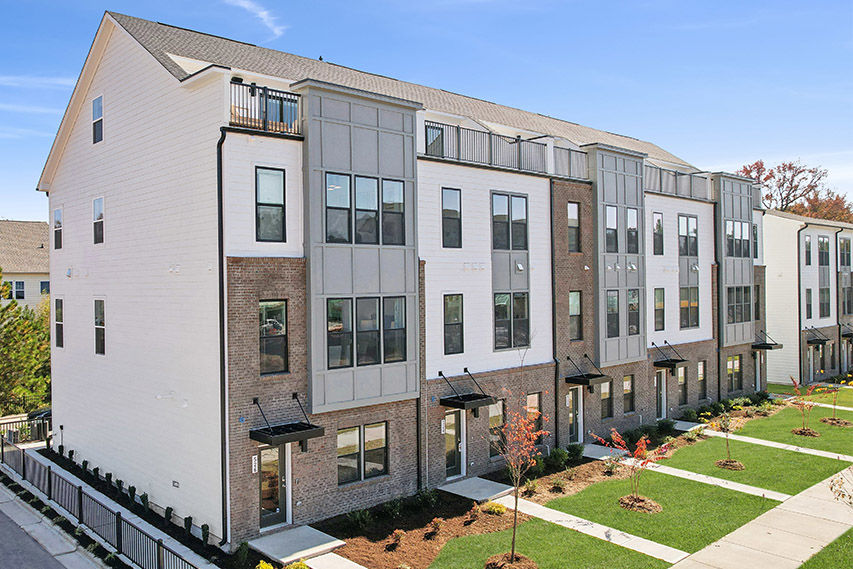
Modern Townhomes
Urban corridors like Downtown, Glenwood South, North Hills, and emerging infill pockets are where modern townhomes concentrate. These are typically three-story builds with an attached garage at street level, an open-concept main living floor, and bedrooms above - many include rooftop decks that take advantage of Raleigh's skyline views and mild climate. Townhomes in this segment appeal to young professionals, relocators who want walkable access to restaurants and nightlife without the maintenance burden of a single-family home, and investors drawn to the strong rental demand in urban Raleigh. Prices generally range from the mid-$300s to the mid-$600s depending on location, finishes, and lot size.
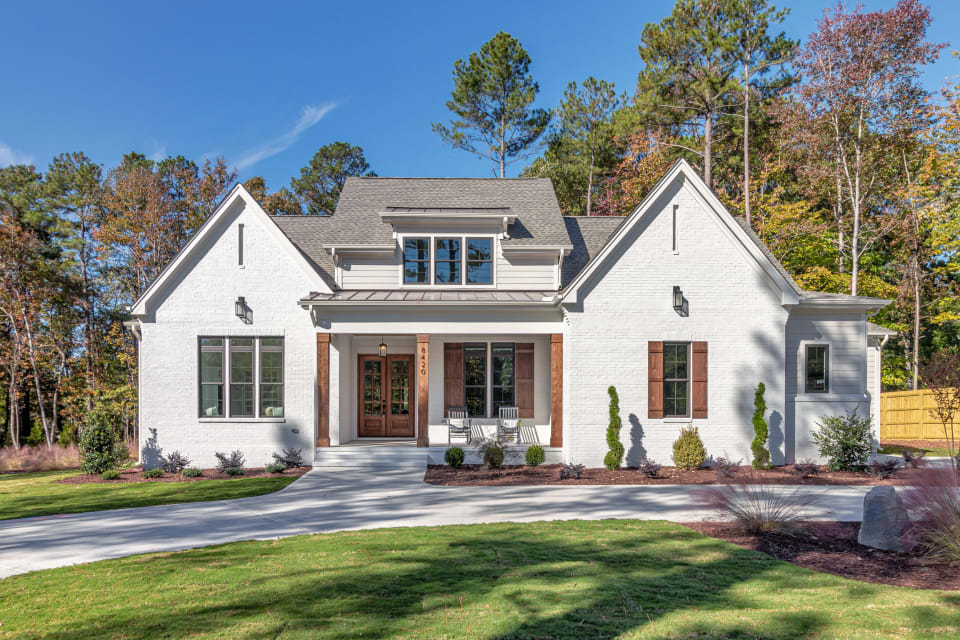
Suburban Single-Family
This represents the largest share of inventory across the Raleigh metro area, appealing to a diverse range of households who prioritize space and larger lot sizes. You will find these properties across highly sought-after communities throughout the region, including Wake Forest, Holly Springs, Fuquay-Varina, Cary, Apex, and established suburban corridors across the outer perimeter. These neighborhoods typically offer private yards, mature landscaping, and close proximity to regional parks and trail networks.
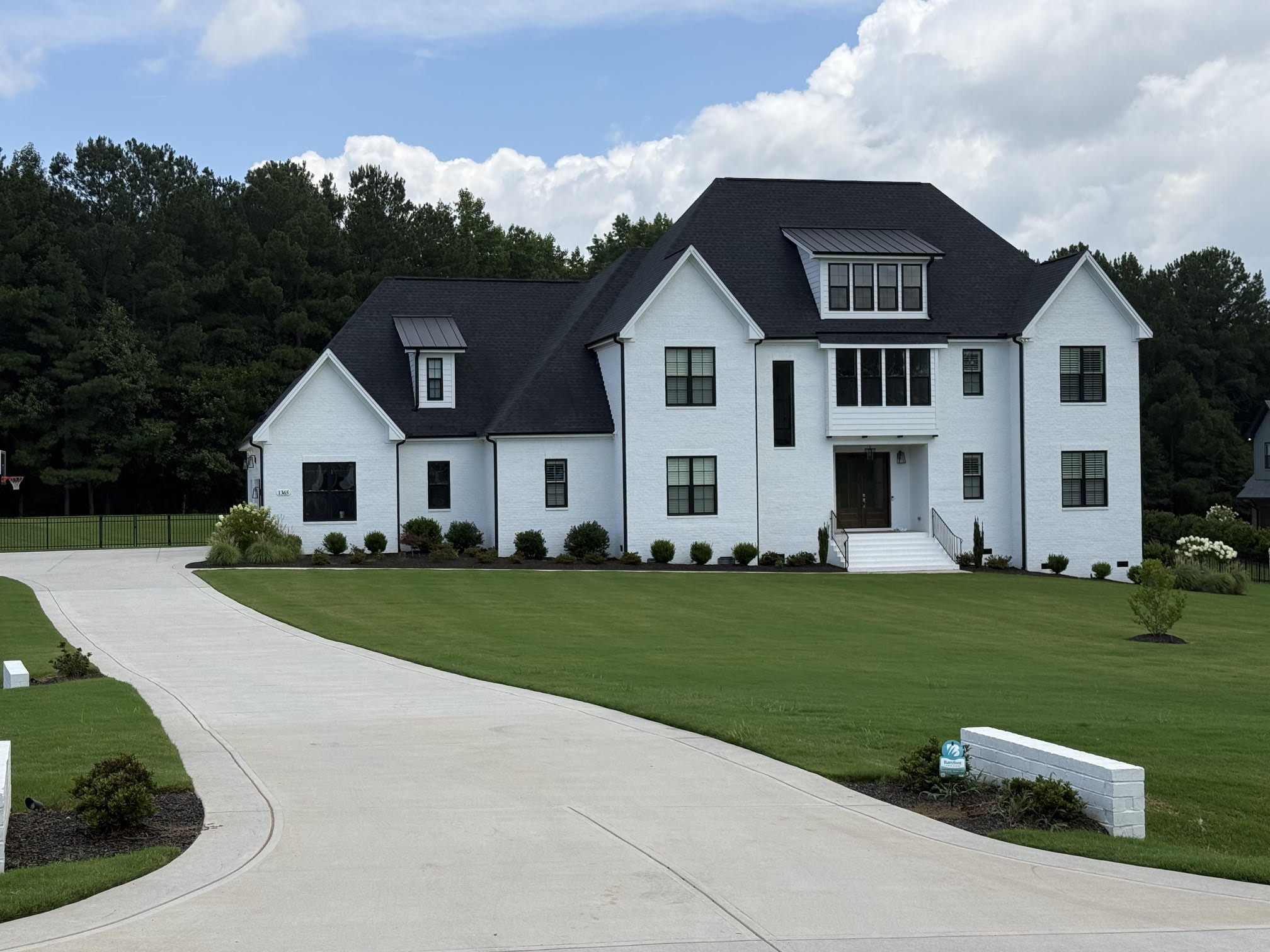
Luxury & Executive Homes
North Raleigh features a premier concentration of custom and luxury properties, highlighted by long-standing developments like Wakefield, Bedford at Falls River, and North Ridge, alongside custom build options throughout Wake County. These properties consistently attract executive relocators and move-up buyers looking for larger acreage, premium architectural finishes, and close proximity to golf or country club amenities.
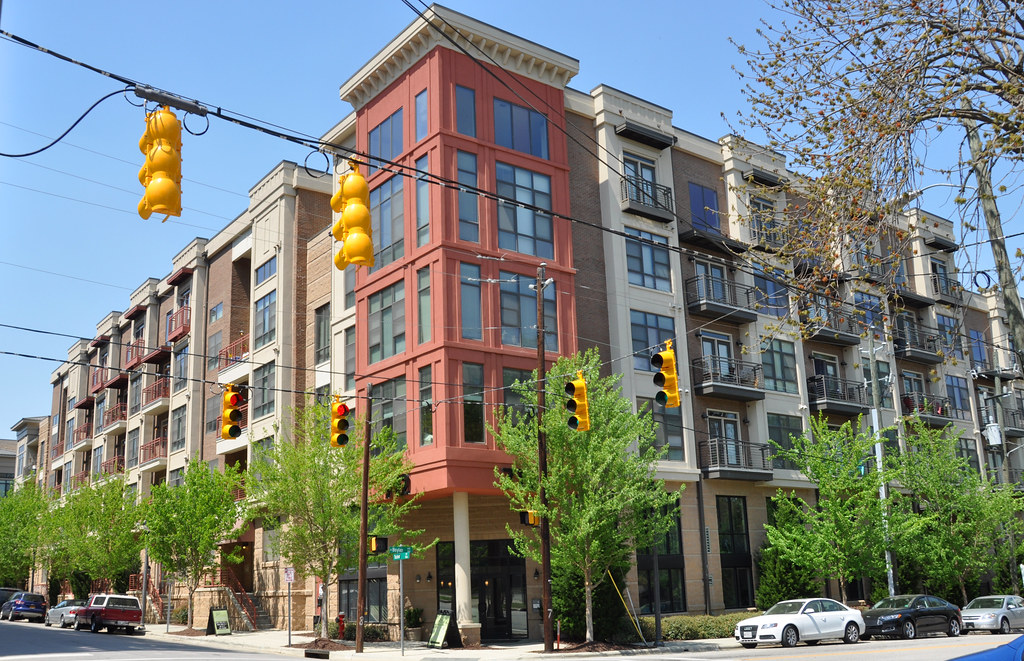
Downtown Condos & Towers
Found in the warehouse district and along Fayetteville Street, downtown condos represent the smallest but fastest-growing housing segment in Raleigh. New tower projects are expanding inventory in a market where condo options were historically limited. These units appeal to buyers who prioritize walkability, nightlife access, and low-maintenance living - empty-nesters downsizing from the suburbs, young professionals working downtown or with state government, and remote workers who want to live without a car dependency. Inventory is still smaller than single-family or townhome markets, but new projects are bringing modern units with rooftop amenities, concierge services, and parking. Expect prices from the mid-$300s for one-bedrooms to $800,000+ for penthouse-level units.
Builders Active in Raleigh
Raleigh's new construction market features both custom and semi-custom builders who work directly with buyers on personalized builds, and production builders who operate communities with established floor plans and pricing. Understanding the difference matters - custom builders give you design control and unique homes, while production builders deliver consistency, speed, and often more competitive price points.
Custom & Semi-Custom Builders
Production Builders
Phil's Perspective
"The single biggest mistake relocators make is assuming Raleigh is one market. It's not. The experience of buying a townhome in Glenwood South is completely different from buying a new-build in Holly Springs or a custom estate in North Raleigh. When navigating the Raleigh real estate market, I help buyers understand which product type, corridor, and builder community actually matches what they're looking for — before they waste weekends touring the wrong neighborhoods. If you are trying to figure out if Raleigh is a good place to live for your specific lifestyle, we need to map out your daily routines first."
Raleigh Neighborhoods - Finding Your Right Fit
Raleigh's neighborhoods range from walkable historic urban districts to established suburban corridors to fast-growing mixed-use development zones - and the right neighborhood depends entirely on your lifestyle priorities, commute destination, and budget. Here is an honest overview of the primary areas buyers evaluate when considering Raleigh proper.
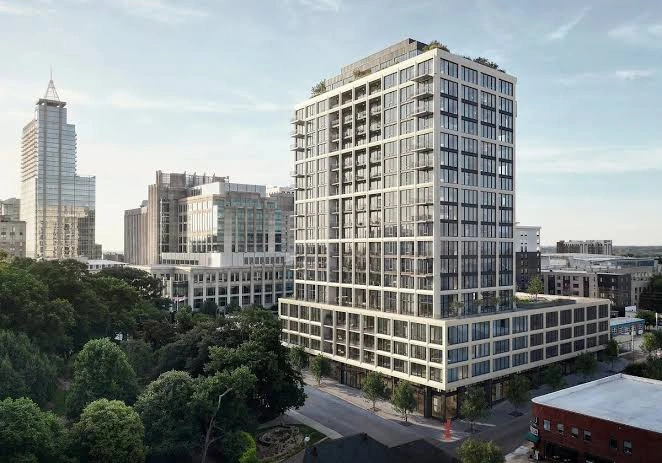
Downtown Raleigh - $400,000-$1M+ (condos from mid-$300s)
Downtown Raleigh is the urban core of North Carolina's capital city — a highly walkable district of restaurants, arts venues, state government offices, and high-rise living. As one of the most highly requested Raleigh neighborhoods for incoming relocators, median sale prices for condos hover around $400,000, while single-family homes and townhomes in adjacent neighborhoods like Boylan Heights and Oakwood command $600,000 to $1M+.
What to Know
Downtown Raleigh has the highest walk score in the Triangle and attracts a mix of young professionals, state government workers, empty-nesters, and buyers who want genuine urban living without coastal city prices. The population skews younger than most Raleigh neighborhoods, with a strong rental market alongside owner-occupied condos. Nightlife, dining, and cultural institutions are all steps away - this is not a "drive to everything" lifestyle. Proximity to state government and downtown employers means many residents can eliminate their commute entirely.
Housing Styles
The housing stock is dominated by condos and loft-style apartments in converted buildings and new construction towers. Single-family homes exist in adjacent neighborhoods like Boylan Heights and Oakwood but are limited and price at a premium. Condos range from efficient studios to full-floor penthouses, with most buildings offering parking, rooftop access, and concierge amenities. Parking and urban density are genuine trade-offs for buyers coming from suburban markets.
Why People Move Here
Downtown Raleigh provides unmatched walkability to Raleigh's best restaurants, bars, and cultural venues. The condo market offers the most affordable entry point into a walkable urban lifestyle in the Triangle, and the area's continued investment in greenway connections and mixed-use development supports long-term value. For buyers whose employment is downtown or with state government, this is the most commute-friendly address in the market.
Tips from Phil
- Condo HOA fees in downtown towers typically run $300-$600/month - factor this into your total monthly cost alongside mortgage and taxes.
- Parking is a real trade-off: many downtown condos come with one assigned space; additional spots are expensive or unavailable. Test the parking situation during a weekday evening visit.
- If you work in RTP, budget 25-40 minutes each way during peak hours via I-40. Understanding daily Raleigh commute times is essential, as Downtown is ideal for state government and downtown employers, but less convenient for western Triangle employment.
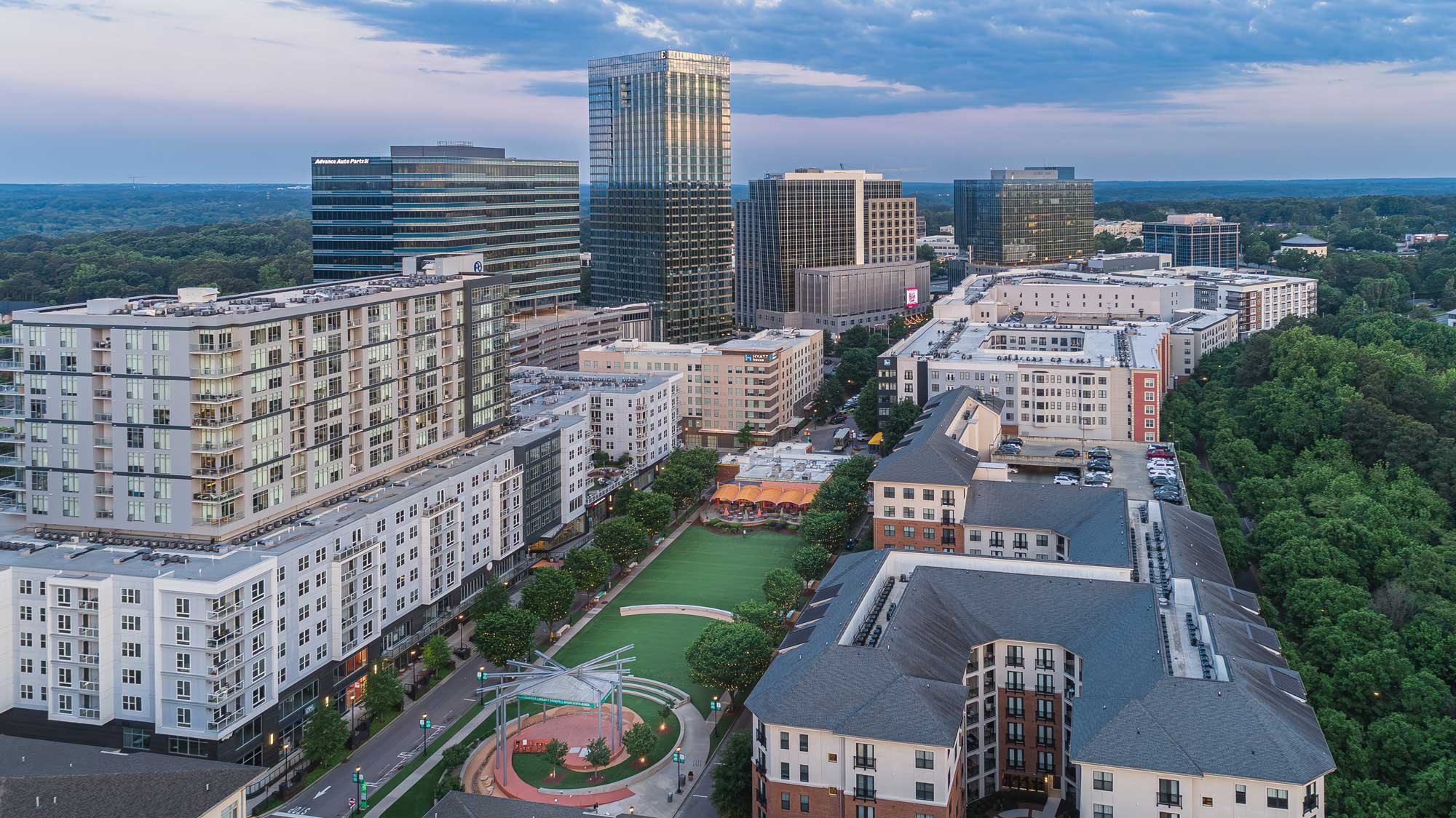
North Hills / Midtown - $600,000-$1.5M+
North Hills is Raleigh's fastest-evolving corridor - a premium urban-suburban hybrid centered around the North Hills mixed-use district. Median sale prices in this area exceed $600,000, reflecting the demand for its combination of upscale shopping, dining, and easy access to both downtown Raleigh and the I-440 Beltline. This is the closest thing to a self-contained luxury lifestyle within Raleigh city limits.
What to Know
North Hills attracts affluent professionals, executives, and empty-nesters who want walkable access to upscale retail, restaurants, and entertainment without leaving the city. The demographic profile skews higher-income than most Raleigh neighborhoods. The North Hills shopping district anchors the area with boutiques, restaurants, a cinema, and regular community events - it functions as a genuine neighborhood town center. Easy access to I-440 and downtown Raleigh means you can enjoy a suburban feel without a suburban commute.
Housing Styles
The housing stock ranges from luxury condos and townhomes in the mixed-use district to custom single-family homes in established surrounding neighborhoods. New construction is increasingly common as older properties are redeveloped. Lot sizes in the immediate North Hills area tend to be smaller, with larger lots available in adjacent neighborhoods like Five Towns and Brooksdale. This corridor commands a significant premium over most other Raleigh neighborhoods.
Why People Move Here
North Hills delivers one of the most complete urban-suburban lifestyle packages in the Triangle - premium retail and dining within walking distance, mature tree canopy, and a central location that puts downtown Raleigh, RTP, and Cary all within 20 minutes. The area has undergone significant transformation and now offers a quality of life that most Raleigh neighborhoods cannot match. Prices reflect demand, but buyers are paying for genuine convenience and walkability.
Tips from Phil
- North Hills commands a significant premium - often 30-50% above comparable homes in other Raleigh neighborhoods. Verify that the lifestyle premium aligns with your priorities before committing.
- Properties closest to the mixed-use district benefit from walkability but may experience more traffic and event noise, especially on weekend evenings. Visit during a busy Saturday to assess.
- School assignments vary by address - the North Hills area falls within Wake County Public Schools. Verify specific assignments for any address at wcpss.net before making an offer.
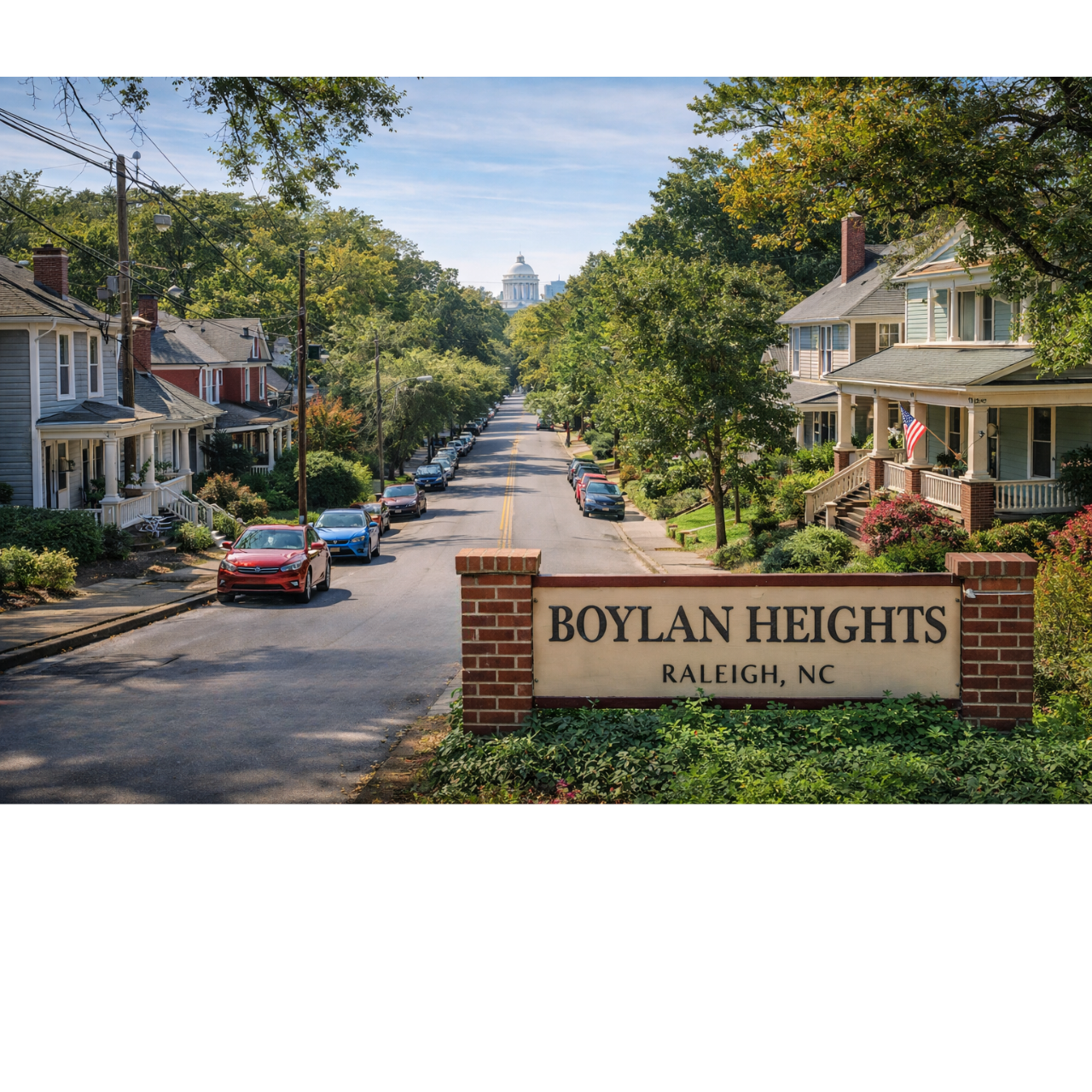
Five Points / Boylan Heights / Historic - $450,000-$900,000+
The Five Points and Boylan Heights corridors are Raleigh's most authentic historic neighborhoods - tree-lined streets with bungalows, front porches, and genuine community character that newer developments cannot replicate. Median sale prices range from $450,000 to over $900,000 depending on condition, lot size, and proximity to the commercial corridors along Glenwood South and Peace Street.
What to Know
These neighborhoods attract buyers who value character over square footage - creative professionals, long-time residents, and relocating buyers who want to walk to local coffee shops and restaurants. The community feel is genuine, with active neighborhood associations and regular local events. The demographic profile is diverse in age and background, reflecting decades of organic neighborhood development. Walkable access to some of Raleigh's best restaurants and coffee shops is a major draw.
Housing Styles
Architectural character is the defining feature here - Craftsman bungalows, Colonial Revival homes, and early 20th-century vernacular houses line the tree-canopied streets. Many homes have been thoughtfully renovated while preserving original details like hardwood floors, built-in shelving, and front porches. Lot sizes are typically modest by Raleigh standards, and detached garages or carports are common. Original plumbing, electrical, and HVAC systems are common in unrenovated homes - a thorough home inspection is essential.
Why People Move Here
The Five Points and Boylan Heights corridors represent some of Raleigh's most authentic historic neighborhoods, characterized by tree-lined streets, classic Craftsman architecture, and an active community culture. This exceptional demand makes these historic perimeters some of the most highly researched addresses for relocators searching the web for the 'best neighborhoods in Raleigh NC.' Because these areas offer unique property styles and a highly walkable lifestyle, they remain a top priority for out-of-state buyers exploring the local market.
Tips from Phil
- Inventory is tight and well-priced homes move fast. Have your financing fully pre-approved before you start shopping so you can act decisively when the right property appears.
- Homes built in the early-to-mid 20th century come with age-typical maintenance realities. Budget for potential updates to plumbing, electrical, and HVAC - a thorough home inspection is non-negotiable here.
- School assignments vary by specific address in these historic corridors. Verify assignments at wcpss.net before making an offer based on a particular school.
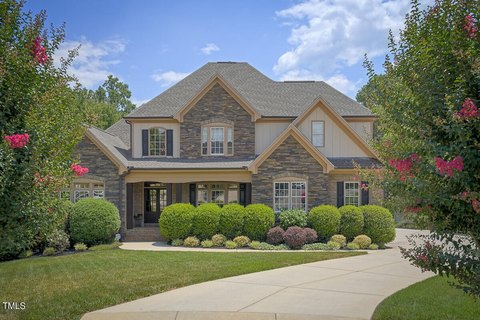
North Raleigh - $450,000-$900,000+
North Raleigh is the city's most established suburban corridor - mature neighborhoods with large lots, tree canopy, and strong access to I-540 and I-440. Median sale prices range from $450,000 to over $900,000 depending on the specific subdivision and home size, with good value per square foot compared to Midtown and downtown.
What to Know
North Raleigh attracts families and professionals who want a traditional suburban lifestyle within Raleigh city limits - good schools, mature landscaping, and proximity to shopping corridors along Falls of Neuse Road and Six Forks Road. The demographic profile is family-oriented with a mix of long-time residents and relocating buyers. Peak-hour traffic on the main corridors is a genuine daily reality that buyers should experience firsthand before committing.
Housing Styles
The housing stock is primarily single-family homes in planned subdivisions developed from the 1980s through the 2010s. Architectural styles range from traditional Colonial and Transitional to more contemporary designs in newer subdivisions. Lot sizes tend to be generous by Raleigh standards, with many homes on quarter-acre or half-acre lots. Mature trees and established landscaping are common advantages of this corridor over newer construction areas.
Why People Move Here
North Raleigh offers the most traditional suburban experience within the city, with good schools, mature infrastructure, and proximity to both I-540 and I-440. Value per square foot is better than Midtown and downtown, making it popular with families who want space without leaving Raleigh city limits. Multiple grocery, retail, and dining options along the main corridors provide daily convenience, and the established tree canopy gives the area a settled, welcoming feel.
Tips from Phil
- Traffic on Falls of Neuse Road and Six Forks Road during peak hours (7-9 AM and 4-6:30 PM) is a genuine daily reality. Drive your specific commute route at rush hour before committing to a neighborhood.
- Proximity to a school does not guarantee assignment due to strict enrollment caps on popular Raleigh schools within the Wake County Public School System (WCPSS). Always verify school assignments for your exact address using the WCPSS address lookup tool before making an offer.
- Some older subdivisions may have aging HOA infrastructure. Review HOA financials and reserve studies before purchasing, especially in communities built before 2000.
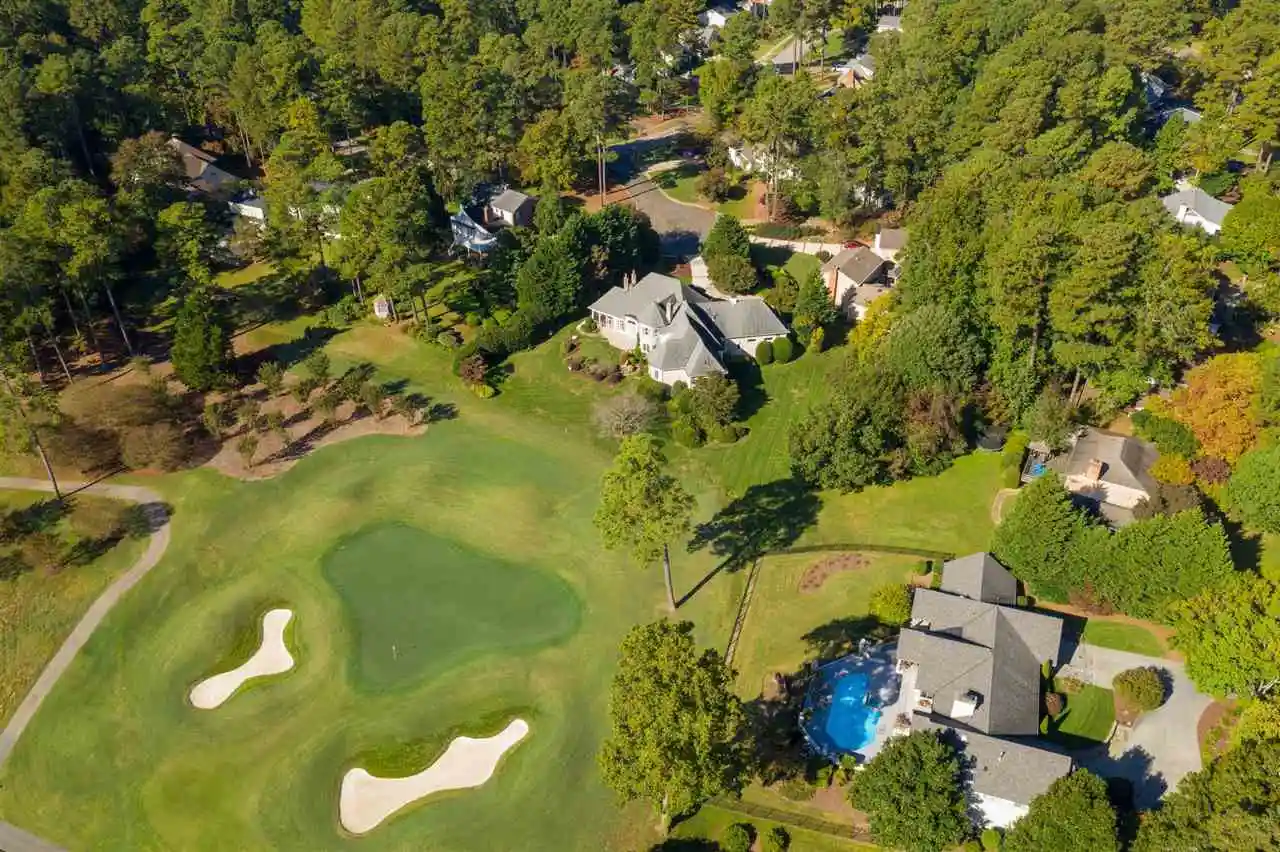
North Ridge - $600,000-$3.5M+
The quintessential North Raleigh country club community. Centered around 36 holes of championship golf, North Ridge is defined by sprawling lots and a mature, heavy tree canopy that provides rare privacy within the city. Median sale price in 2026 is approximately $638,000 - highly variable by lot size, with premium parcels commanding a significant premium.
What to Know
Prestigious, quiet, and established, North Ridge saw a major value surge as luxury buyers sought out the large, private lots that newer developments simply cannot replicate. The 36-hole championship golf facility, the established tree canopy, and the neighborhood's decades-long prestige track record make this one of the premier addresses in the city. For those navigating the high-end tier of Raleigh real estate, North Ridge remains the gold standard for executive homes for sale in Raleigh NC.
Housing Styles
Grand traditional styles including French Provincial, Colonial, and massive custom 1980s-era builds that are being heavily renovated in 2026. Expect sprawling single-family homes on large, wooded lots. Lot sizes range from half an acre to over two acres. Many homes have been updated with modern interiors while retaining their classic architectural character, offering the best of both worlds - updated finishes with the generous floor plans and lot sizes that newer construction cannot match.
Why People Move Here
36-hole championship golf facility anchors the neighborhood and provides a built-in social community. Large, private lots with mature tree canopy that newer neighborhoods simply can't replicate. Quiet, established prestige with decades of proven property value and stable resale history. Proximity to I-540 and US-1 makes commuting efficient while the neighborhood itself feels like a private retreat from the rest of the city.
Tips from Phil
North Ridge is one of the best values in luxury Raleigh real estate - the lots alone are worth a premium in today's market. Many of the 1980s builds are being renovated, so you can find updated homes with classic bones at a fraction of new-construction pricing. The price range is wide because lot size matters enormously here - a half-acre lot vs. a two-acre lot can mean a $500K+ difference. If you want space and privacy without leaving the city, this is it.
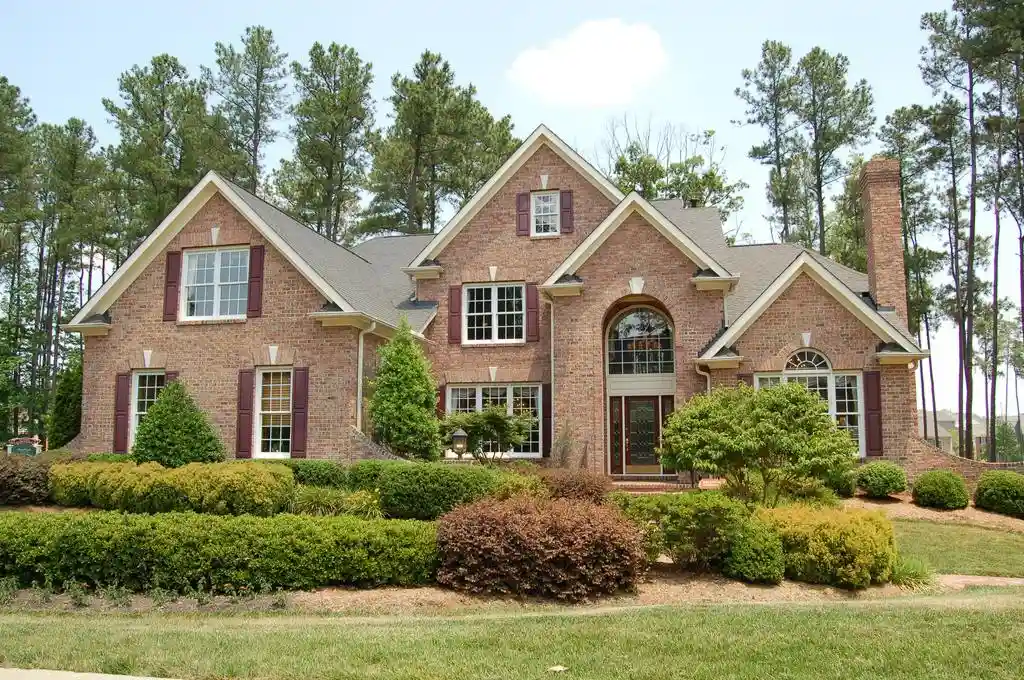
Brier Creek — $350,000-$850,000+
Brier Creek is the strategic choice for frequent travelers and RTP professionals. Located at the intersection of I-540 and US-70, this master-planned country club community prioritizes convenience and lock-and-leave living. The median sale price sits at approximately $409,000, making it a compelling option for buyers who need efficient access to the airport and Research Triangle Park without sacrificing the amenities of a private golf course community.
What to Know
Brier Creek is the strategic choice for frequent travelers and RTP professionals. If you are searching for homes for sale in Raleigh that prioritize lock-and-leave convenience, this master-planned country club community is a compelling option. Located at the intersection of I-540 and US-70, Brier Creek offers a Tom Fazio-designed golf course, the Brier Creek Commons retail corridor, and direct highway access that makes it the most logistically efficient neighborhood in Raleigh. Townhomes start around $350,000, while estate homes along the golf course reach $850,000+.
Housing Styles
Traditional brick-front suburbia and modern multi-story townhomes centered around a Tom Fazio-designed golf course define the housing stock here. Townhomes start around $350,000 and offer an affordable entry point into the neighborhood. Single-family homes range from $450,000 to $650,000, while estate homes along the golf course can reach $850,000+. The mix of product types accommodates a wide range of buyers within a single community.
Why People Move Here
Proximity to RDU airport and RTP is the primary draw - Brier Creek is unmatched for buyers who travel frequently or work in the Research Triangle Park corridor. The country club lifestyle with golf, tennis, pool, and member dining creates a built-in social community. Lock-and-leave convenience with HOA-maintained common areas appeals to buyers who don't want weekend yard work. Quick access to I-540, US-70, and the Brier Creek Commons shopping and dining corridor means daily errands are a five-minute drive from almost anywhere in the neighborhood.
Tips from Phil
- Brier Creek is ideal for buyers who optimize for time and convenience over character and walkability. If you commute to RTP or travel frequently, the location is hard to beat.
- Watch out for HOA fees on the country club properties - they can be significant compared to other Raleigh neighborhoods. Factor this into your total monthly cost.
- The townhomes are a good entry point if you want the address without the maintenance. They offer lock-and-leave living at a more accessible price point than the single-family estate homes along the course.
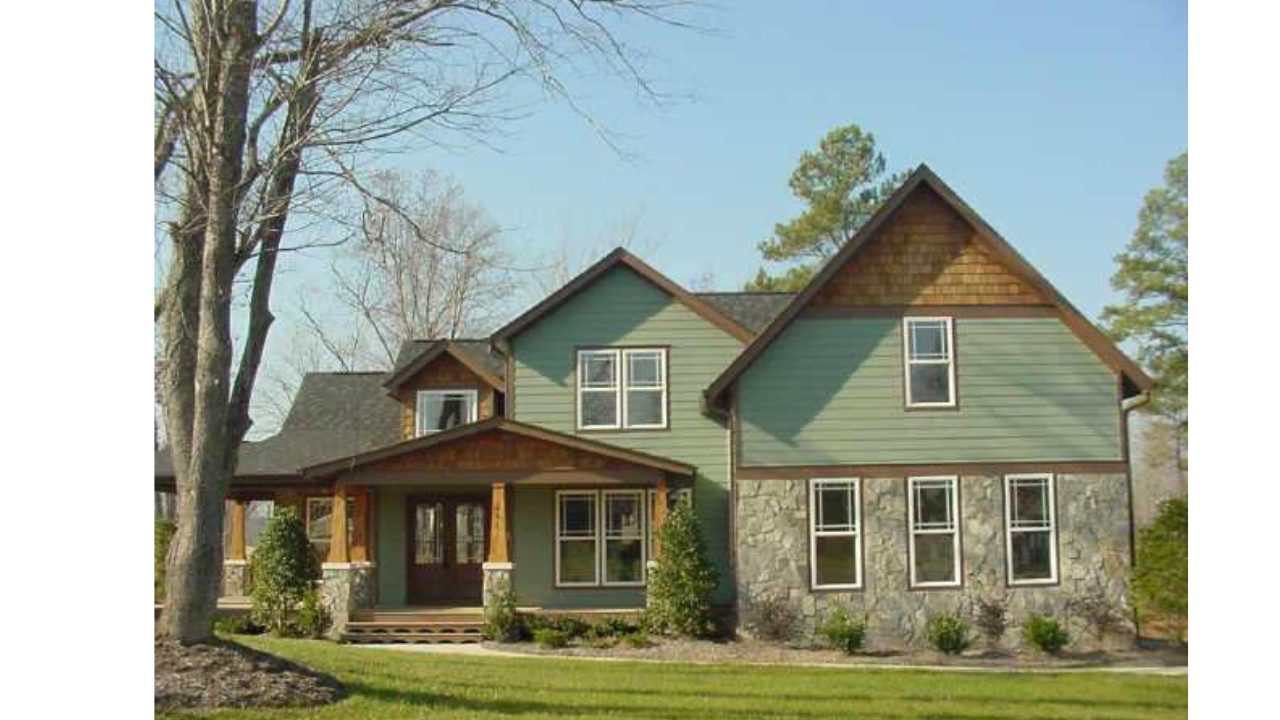
South Raleigh / Garner Border — $300,000-$550,000
South Raleigh and the Garner border corridor offer the strongest price-per-square-foot advantage in Wake County for buyers who prioritize budget. Median sale prices range from $300,000 to $550,000, making this the most affordable entry point into Raleigh city limits for single-family home buyers.
What to Know
South Raleigh and the Garner border corridor offer the strongest price-per-square-foot advantage in Wake County. For buyers seeking a highly favorable cost of living in Raleigh without sacrificing proximity to downtown, this represents the most affordable entry point for single-family homes. The area offers a mix of established neighborhoods and new construction, with easy access to US-401 and I-40 for commuters heading to downtown or eastern Wake County.
Housing Styles
The housing stock is a mix of newer construction subdivisions and established neighborhoods from the 1990s and 2000s. Architectural styles lean toward traditional and transitional designs with generous lot sizes. New construction in this corridor offers modern floor plans at price points that would be impossible closer to downtown. The variety of housing types provides options for buyers at multiple price points.
Why People Move Here
South Raleigh and the Garner border offer the strongest price-per-square-foot in Wake County for buyers who prioritize budget. The commute to downtown Raleigh is relatively short, and I-40 access puts RTP within reach. The area is experiencing steady growth in retail and services, and new construction provides modern amenities at accessible price points. For buyers whose employment is in downtown Raleigh or east Raleigh, this corridor delivers strong value.
Tips from Phil
- School assignments and neighborhood quality vary significantly by specific address. Research each block individually - use the WCPSS address lookup tool at wcpss.net before making any purchase decision.
- The commute to RTP via I-40 can run 35-50 minutes during peak hours from South Raleigh. If your employment is in western Triangle, drive the route during rush hour before committing.
- South Raleigh straddles the Wake County / Johnston County line in some areas. Verify which county and school district applies to any specific property, as tax rates and services differ.
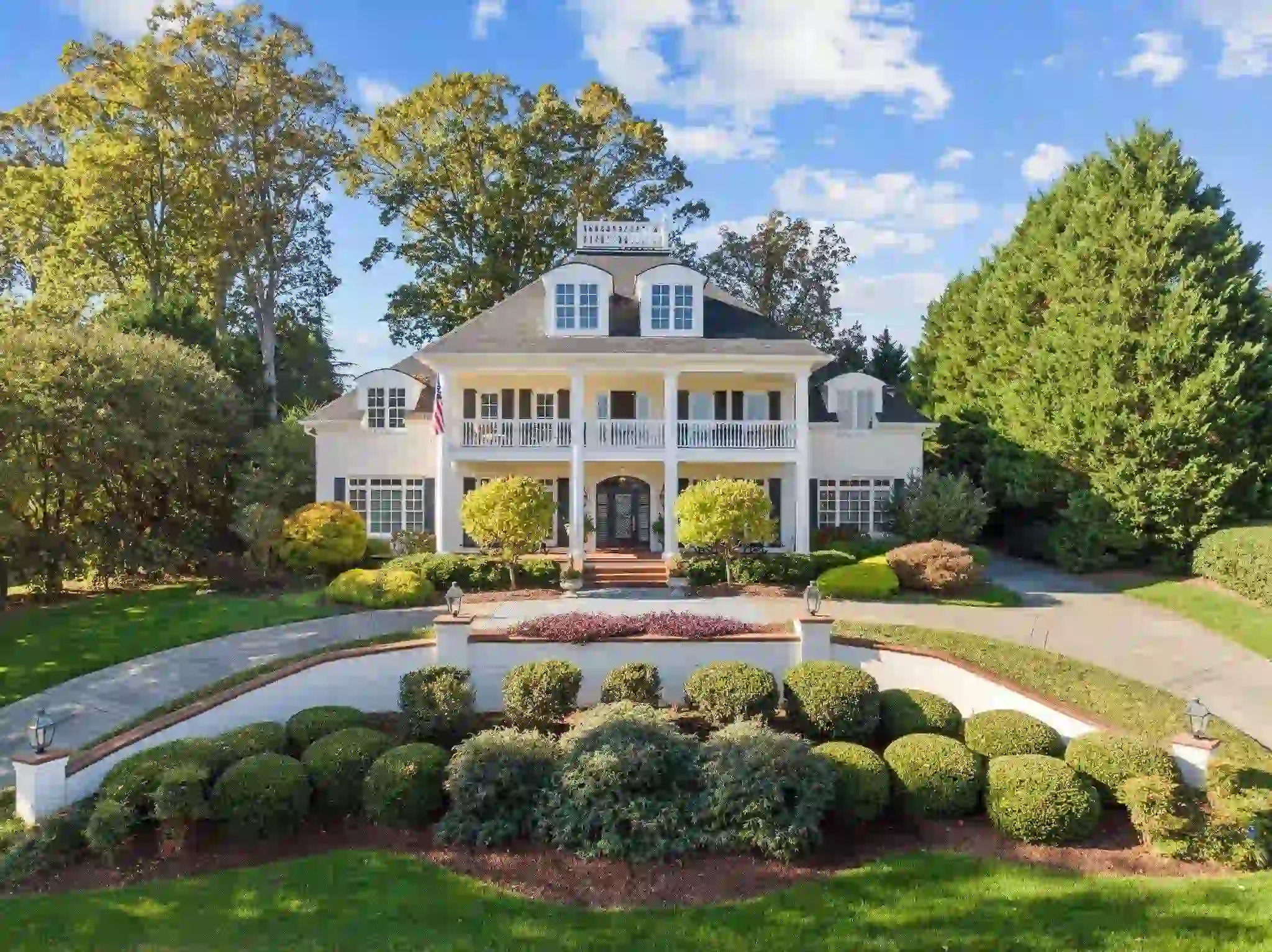
Wakefield — $450,000-$1.8M+
A massive master-planned destination on the northern edge of Raleigh. Wakefield offers a complete lifestyle with on-site schools, shopping, and the TPC Wakefield Plantation golf course. Median sale price in 2026 is approximately $485,000.
What to Know
Wakefield is a massive master-planned community on the northern edge of the city, delivering a highly integrated lifestyle layout. For relocators typing 'best neighborhoods in Raleigh NC' into search engines because they want self-contained community infrastructure — such as on-site schools, convenient retail centers, and championship golf — Wakefield serves as a premier example of a complete suburb within the city limits. This structural convenience makes it a frequently studied destination for out-of-state buyers analyzing the local market.
Housing Styles
Classic 1990s and 2000s suburban architecture with an emphasis on large footprints, brick exteriors, and cul-de-sac living. Homes range from $450,000 starter properties to $1.8M+ custom estates along the TPC golf course. Expect generous lot sizes, mature landscaping, and well-maintained HOA communities.
Why People Move Here
Self-contained community with schools, shopping, dining, and recreation all within Wakefield. TPC Wakefield Plantation offers championship golf. Top-rated Heritage-area schools. Proximity to both I-540 and US-1 for easy commuting to RTP, downtown Raleigh, or Wake Forest.
Tips from Phil
Wakefield is one of the best values in North Raleigh for buyers who want space, schools, and community amenities without paying Cary prices. The golf course homes carry a premium but the views are worth it. Check the HOA fees - they vary significantly between the different sub-neighborhoods within Wakefield.
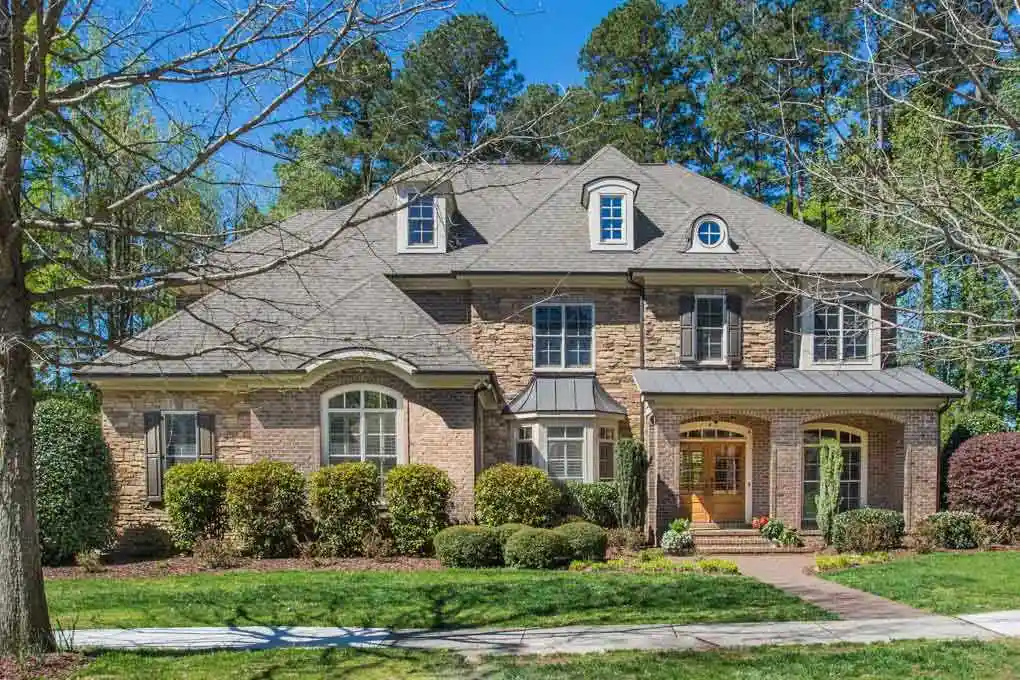
Bedford at Falls River — $500,000-$950,000
A Neo-Traditional masterpiece known for its storybook aesthetic - front porches, alley-loaded garages, and a network of pocket parks that encourage neighborly interaction. Median sale price in 2026 is approximately $530,000.
What to Know
A Neo-Traditional masterpiece known for its storybook aesthetic — front porches, alley-loaded garages, and a network of pocket parks that encourage neighborly interaction. Bedford remains a premier destination for relocators navigating the Raleigh real estate market who prioritize neighborhood character, tight-knit community feel, and a walkable streetscape over modern new construction in Raleigh. The alley-loaded garages keep the streetscape clean, the pocket parks create natural gathering points, and the HOA governance is consistently cited by residents as one of the best-managed in North Raleigh.
Housing Styles
Colorful Charleston-style homes, Craftsman bungalows, and townhomes with a unified, small-town look that feels deliberately designed rather than organic sprawl. Homes range from townhomes in the low $500,000s to single-family homes reaching $950,000. Expect front porches, detached garages accessed via rear alleys, and mature landscaping throughout.
Why People Move Here
Walkable, pedestrian-friendly streetscapes with pocket parks and community gathering spaces. One of the best-managed HOAs in North Raleigh. Inside Raleigh city limits with easy access to Falls River shopping and dining. Stable property values and a community that genuinely feels like a small town within the city.
Tips from Phil
Bedford is one of the most consistent resale markets in Raleigh - homes hold their value and don't sit on the market long. The Neo-Traditional design isn't for everyone, but buyers who love it tend to be very loyal to the neighborhood. The alley-loaded garages mean smaller backyards, so if outdoor space is a priority, look at the lots backing to the greenway.
Neighborhood Selection Tips from Phil
Three things I tell every Raleigh buyer before they start touring:
1. The Beltline Divide is Your Defining Decision
Inside the Beltline (ITB) means walkability, historic character, and smaller, high-value lots. Outside the Beltline (OTB) means more square footage, newer construction, and North Raleigh privacy. Know which one you actually want before you start touring - they serve completely different lifestyles and price-per-square-foot realities.
2. Drive Your Commute at 8:00 AM
A home in Brier Creek has a very different morning experience than a home in Five Points. In 2026, with the completion of major I-440 and I-540 improvements, "distance" doesn't always equal time. Test the reality of the commute before you sign.
3. Watch for the "Tax Extras"
Understand the Municipal Service District (MSD) tax question. Some properties in the Downtown and Midtown/North Hills corridors carry additional MSD assessments on top of standard city and county tax rates to fund localized infrastructure, streetscape maintenance, and community marketing. Verify the complete tax picture — including any 2026 property revaluations — at wakegov.com before purchasing to ensure you fully map out your projected cost of living in Raleigh.
CRITICAL: Verify School Assignments Yourself
Always verify current school assignments directly with the Wake County Public School System (WCPSS) using the specific property address. Raleigh's rapid growth means school caps and base-school shifts can happen annually. When moving to Raleigh NC, never rely on a real estate printout — verify the local Raleigh schools yourself before your due diligence period ends.
Nearby Triangle Relocation Guides
Every city and town in the Triangle - each one different. Explore the living-in guides below to compare home prices, neighborhoods, commutes, and local character across the region.
View Guide
CaryView Guide
Chapel HillView Guide
ClaytonView Guide
DurhamView Guide
Fuquay-VarinaView Guide
GarnerView Guide
HillsboroughView Guide
Holly SpringsView Guide
KnightdaleView Guide
MebaneView Guide
MorrisvilleView Guide
New HillView Guide
PittsboroView Guide
RolesvilleView Guide
SmithfieldView Guide
Wake ForestView Guide
WendellView Guide
Willow SpringsView Guide
ZebulonView Guide
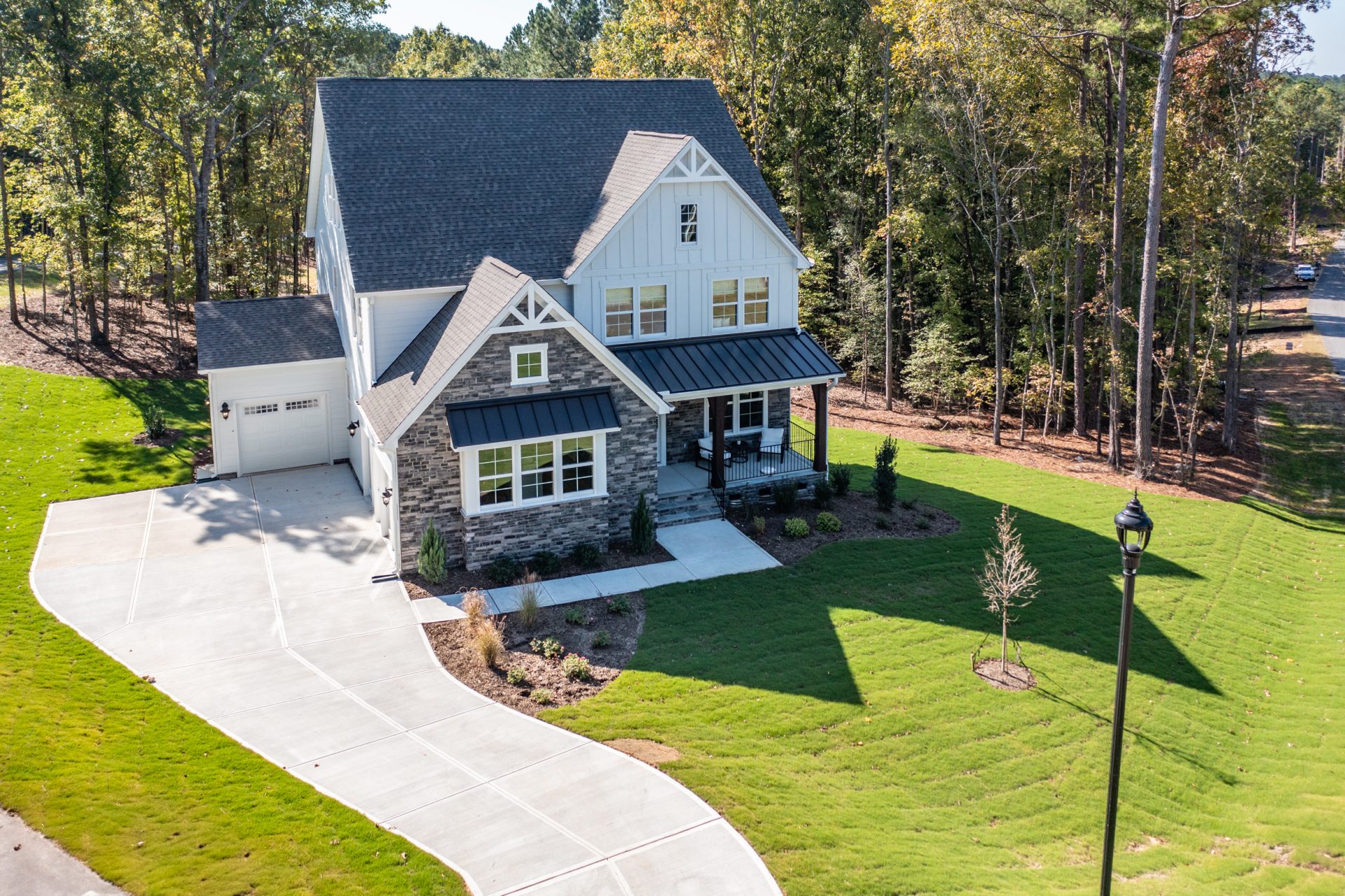
How Raleigh Compares to Other Triangle Suburbs
One of the most common questions relocators ask is how Raleigh stacks up against nearby municipal areas. If you are debating Raleigh vs Cary vs Apex, the truth is each community offers a distinctly different lifestyle, housing stock, and commute reality. This section breaks down the key differences in tax rates, Raleigh commute times, and school options so you can make an informed decision on where to put down roots.
At-a-Glance Comparison (2026 Data)
| Category | Raleigh | Cary | Apex | Wake Forest | Holly Springs |
|---|---|---|---|---|---|
| Median Home Price | ~$570,000 | ~$790,000 | ~$707,025 | ~$630,450 | ~$715,000 |
| Municipal Tax Rate | $0.3720 / $100 | $0.3675 / $100 | $0.3735 / $100 | $0.4200 / $100 | $0.3435 / $100 |
| Combined Tax Rate | $0.9091 / $100 | $0.9046 / $100 | $0.9016 / $100 | $0.9571 / $100 | $0.8806 / $100 |
| School District Rating | 7/10 avg | 7/10 avg | 8/10 avg | 7/10 avg | 7/10 avg |
| Avg Commute to RTP | 20-35 min | 15-25 min | 15-25 min | 25-40 min | 20-30 min |
| Population Growth (5-yr) | +14% | +10% | +22% | +19% | +25% |
| Walkability Score | 30-45 | 28-38 | 32-42 | 20-30 | 22-32 |
| Typical Buyer Profile | Professionals prioritizing urban amenities, walkability, and access to downtown employment | Move-up buyers seeking established neighborhoods, top-rated schools, and mature infrastructure | Buyers seeking newer construction, walkable downtown character, and proximity to RTP | Buyers prioritizing lot size, space, and value in a quieter suburban setting | Relocators seeking master-planned communities and proximity to the biotech corridor |
| New Construction Availability | Moderate - urban infill townhomes, limited suburban new-build | Limited - mostly built out; select pockets in West Cary & Amberly | Abundant - Veridea, Brookhaven, and multiple active communities | Abundant - multiple master-planned communities along US-1 | Abundant - biotech corridor driving continuous development |
| Typical Lot Sizes | 0.10-0.25 ac (urban); 0.25-0.50 ac (suburban) | 0.20-0.50 ac (new); 0.30-0.60 ac (established) | 0.15-0.30 ac (new); 0.25-0.40 ac (established) | 0.15-0.35 ac (new); 0.25-0.50+ ac (established) | 0.20-0.33 ac (new); 0.25-0.50 ac (established) |
Sources: Zillow, Redfin, Triangle MLS, GreatSchools, Wake County Tax Administration, municipal FY2025-26 budgets, U.S. Census Bureau ACS | Combined Tax Rate = Wake County ($0.5171/100) + municipal rate. Last updated August 2026.
Cary — The Established Prestige Option (Median: ~$595,000)
Cary is the Triangle's most mature suburb - the town where infrastructure, schools, and community amenities were built out decades ago and now function at a level newer towns are still chasing. With top-rated Wake County schools, extensive greenway networks, a thriving downtown district, and easy access to both RTP and downtown Raleigh, Cary consistently ranks among the best places to live in North Carolina. Home prices run higher than Raleigh's median - expect to pay a premium for the established neighborhoods, larger lots, and the kind of community polish that takes a generation to develop. The trade-off for relocators is that Cary's housing stock skews older unless you're looking for upcoming new construction in Raleigh perimeters like Amberly or West Cary, where the price-per-square-foot is among the highest in the region.
The Trade-off
Home prices run 25-35% above the Raleigh median, and the most desirable established neighborhoods have limited inventory - be prepared for competition and a premium price tag.
Why Choose Cary
The most polished suburban infrastructure in the Triangle - excellent schools, mature neighborhoods, walkable greenways, and a community that already has everything in place.
Apex — The Southern Growth Market (Median: ~$520,000)
Apex is one of the fastest-growing towns in the Triangle, and its appeal is straightforward - a historic downtown that actually feels like a downtown, strong schools, and a location that puts you within 15-25 minutes of RTP. Delivering highly sought-after new home communities at price points that make financial sense for relocating households. When evaluating Raleigh real estate vs. the surrounding suburbs, Apex manages to balance rapid growth with small-town character.
The Trade-off
Rapid growth is straining road capacity - US-64 and NC-55 corridors experience significant congestion during peak commute hours, and infrastructure expansion is still catching up.
Why Choose Apex
A historic downtown with real character plus top-tier new construction communities - you get the charm of a small town with the modern amenities and appreciation potential of a high-growth market.
Wake Forest — The Northern Corridor Value Play (Median: ~$525,000)
Wake Forest delivers what many relocators are actually looking for - more house for the money, larger lots, and a quiet suburban atmosphere without the congestion of the southern corridors. Located north of Raleigh along US-1, Wake Forest offers a mix of established subdivisions and new master-planned communities with competitive pricing. The town has its own downtown district with local shops and restaurants, strong youth sports programs, and access to Falls Lake for outdoor recreation. For remote workers or buyers who commute into Raleigh rather than RTP, Wake Forest offers a compelling combination of space, value, and quality of life. The town's population has grown nearly 19% in five years, reflecting the steady demand from families priced out of Cary and looking for more room to grow.
The Trade-off
The commute to RTP is the longest of any major Wake County suburb - 25-40 minutes depending on traffic - and the northern US-1 corridor can bottleneck during rush hour.
Why Choose Wake Forest
More house, more land, and more value than the southern suburbs - ideal for remote workers or Raleigh commuters who want space without sacrificing community amenities.
Holly Springs — The Biotech Corridor Magnet (Median: ~$515,000)
Holly Springs has become one of the hottest suburbs in the Triangle thanks to its proximity to the emerging biotech corridor along US-1 and I-540. Novo Nordisk, FUJIFILM Diosynth, and other major employers have driven population growth of approximately 25% over the past five years - the fastest of any Wake County town. New master-planned communities are being built at a rapid pace, delivering modern floor plans with full amenity packages. The town's downtown district is still developing, but the quality of life for families - parks, recreation facilities, and new-school infrastructure - is a strong draw. For buyers working in the biotech or pharmaceutical sector, Holly Springs offers a short commute and a community that's being built to accommodate the growth.
The Trade-off
Most of Holly Springs is brand-new construction - the town hasn't had time to develop the mature tree canopy, established neighborhoods, or downtown character that older Triangle suburbs offer.
Why Choose Holly Springs
Direct access to the biotech corridor, modern new-build communities, and the fastest population growth in the county - a strong bet for buyers who want to be where the next wave of Triangle employment is concentrating.
Durham — The Cultural Innovation Hub (Median: ~$460,000)
Durham is the Triangle's most culturally distinct city - home to Duke University, a nationally recognized food scene, and an innovation economy anchored by the American Tobacco Campus, Research Triangle Park's western edge, and a growing startup ecosystem. The housing market runs the full range: historic homes in Trinity Park and North Duke Park, new infill construction downtown, and suburban communities in South Durham and the RTP-adjacent corridor. Durham's median home price of approximately $460,000 now sits close to Raleigh's, making it attractive for buyers who want urban character and cultural depth at a similar price point. Durham is also in Durham County, which carries different tax implications than Wake County - worth evaluating with your tax advisor.
The Trade-off
School quality is more variable than Wake County suburbs - Durham Public Schools has pockets of excellence but also areas that underperform, and school selection matters more here than in the Wake County system.
Why Choose Durham
The most culturally rich city in the Triangle - a genuine food, arts, and innovation scene at price points comparable to Raleigh's.
Chapel Hill — The University Prestige Play (Median: ~$540,000)
Chapel Hill is the Triangle's most nationally recognized brand - anchored by UNC-Chapel Hill, one of the country's premier public universities. The town offers a walkable downtown, a nationally ranked public school system in Orange County, and a quality of life shaped by the university's cultural and athletic calendar. Home prices reflect the prestige: Chapel Hill's median runs among the highest in the Triangle, driven by limited land, strict development controls, and demand from university-affiliated professionals. For relocators with school-age children, Chapel Hill's schools are consistently among the best in the state, and the town's proximity to both Durham and the western Triangle makes it a strong choice for buyers who value education, culture, and community identity above all else.
The Trade-off
The commute to RTP is the longest of any Triangle community - 35-50 minutes depending on route - and the town's western location means significantly less convenient access to the southern Wake County employment corridors.
Why Choose Chapel Hill
The best public schools in the Triangle, a university-town culture unlike anywhere else in North Carolina, and a community identity built on education and quality of life.
Cost of Living in Raleigh, NC (2026)
Understanding what it actually costs to put down roots here requires looking closely at the numbers. When planning your relocation budget, the most common question is: what salary do you need to live in Raleigh comfortably? North Carolina's tax structure is one of the most competitive in the Southeast for buyers relocating from high-tax states like New York, California, New Jersey, and Massachusetts. When combined with stable local Raleigh real estate prices, the overall cost of living in Raleigh provides a massive financial relief that doesn't show up in standard listings.
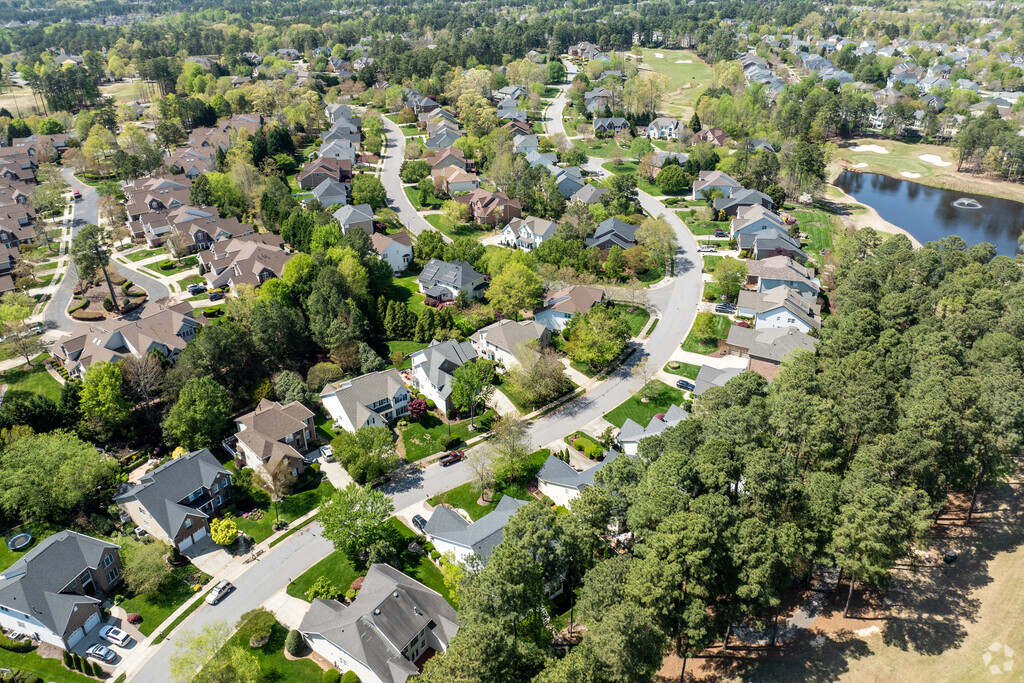
Property Taxes (FY2026)
Wake County Rate: $0.5371 per $100 - City of Raleigh: $0.3720 per $100 - Combined: $0.9091 per $100
| Home Value | Annual Tax Bill | Monthly Equivalent |
|---|---|---|
| $350,000 | $3,182 | ~$265/mo |
| $445,000 Median | $4,046 | ~$337/mo |
| $550,000 | $5,000 | ~$417/mo |
| $750,000 | $6,818 | ~$568/mo |
| $1,000,000 | $9,091 | ~$758/mo |
The rates shown above reflect the current Wake County rate of $0.5371 per $100 effective July 2026. Verify current rates at wakegov.com before closing.
North Carolina Tax Advantages
- NC State Income Tax: 3.99% flat rate in 2026 - down from 5.25% in 2021 and heading to 3.49% in 2027 under current law
- No Local Income Tax: Anywhere in North Carolina
- No NC Tax on Social Security Income
- Sales Tax: 7.25% combined state and Wake County rate
For buyers relocating from New York (up to 10.9% state income tax), California (up to 13.3%), or New Jersey (up to 10.75%) - North Carolina's flat 3.99% rate is one of the most significant quality-of-life financial improvements that doesn't show up in any real estate listing.
Monthly Cost Breakdown - $445,000 Median Home
Based on 20% down payment (~$356K mortgage at ~6.5%, 30-year fixed)
| Expense | Monthly |
|---|---|
| Mortgage (20% down, 6.5% rate, 30yr) | ~$2,250/mo |
| Property Taxes | ~$337/mo |
| Homeowner's Insurance | ~$150/mo |
| Total Housing Cost | ~$2,737/mo |
Cost of Living vs. Cities Buyers Are Leaving
| City | Median Home Price | Income Needed to Buy |
|---|---|---|
| San Francisco, CA | ~$1,300,000 | ~$320,000+/yr |
| New York City, NY | ~$780,000 | ~$190,000+/yr |
| Washington, DC | ~$650,000 | ~$160,000+/yr |
| Boston, MA | ~$700,000 | ~$170,000+/yr |
| Austin, TX | ~$525,000 | ~$130,000+/yr |
| Raleigh, NC | ~$445,000 | ~$105,000-$120,000/yr |
NC Due Diligence Process Note
If you are relocating from out of state, the NC Due Diligence Fee is the biggest culture shock in the purchase process. Unlike earnest money, this payment goes directly to the seller at contract and is non-refundable under most circumstances. For Raleigh homes, due diligence fees typically run 0.5%-1% of the purchase price. This is not a scam - it is standard NC real estate practice. Your agent should walk you through this before you make your first offer.
Phil's Perspective
"I moved here from Connecticut, and the tax savings alone were transformative. But the real financial story is the total cost of living - what you pay for housing, taxes, insurance, groceries, and entertainment combined. Raleigh delivers a complete lifestyle at a total monthly cost that most coastal metro buyers find genuinely surprising. The numbers don't lie - but they also don't tell you which specific neighborhood or suburb is the right fit for your commute and lifestyle. That's the part I help with."

Schools in Raleigh, NC - What Buyers Need to Know
For relocators prioritizing local education options, understanding the structural layout of regional infrastructure is essential. The city is served by Wake County Public Schools — the largest school district in North Carolina. To assist buyers analyzing public data registries, we have outlined the local regional high schools, charter systems, and private options based on official enrollment figures. Navigating local school boundaries is a critical component of researching moving to Raleigh NC, as popular assignment zones frequently navigate annual boundary adjustments and institutional enrollment caps that home buyers should verify directly with the district.
The most important thing every Raleigh buyer must understand - especially buyers relocating from states where proximity to a school building reliably predicts assignment - is that school assignments in Wake County are address-specific and subject to annual boundary adjustments. Proximity to a school does not guarantee assignment. Use the WCPSS Address Lookup Tool at wcpss.net for every address you are seriously considering before making an offer.
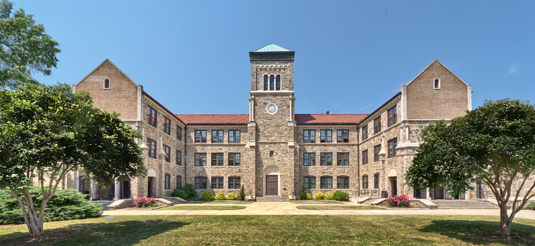
Historic Broughton High School in Midtown Raleigh - a premier example of the architectural prestige and deep academic traditions found throughout the Wake County Public School System.
Key Raleigh High Schools
Charter and Private Options
Verify all school assignments directly with WCPSS at wcpss.net before making any purchase decision based on a specific school.
Parks & Outdoor Living in Raleigh, NC
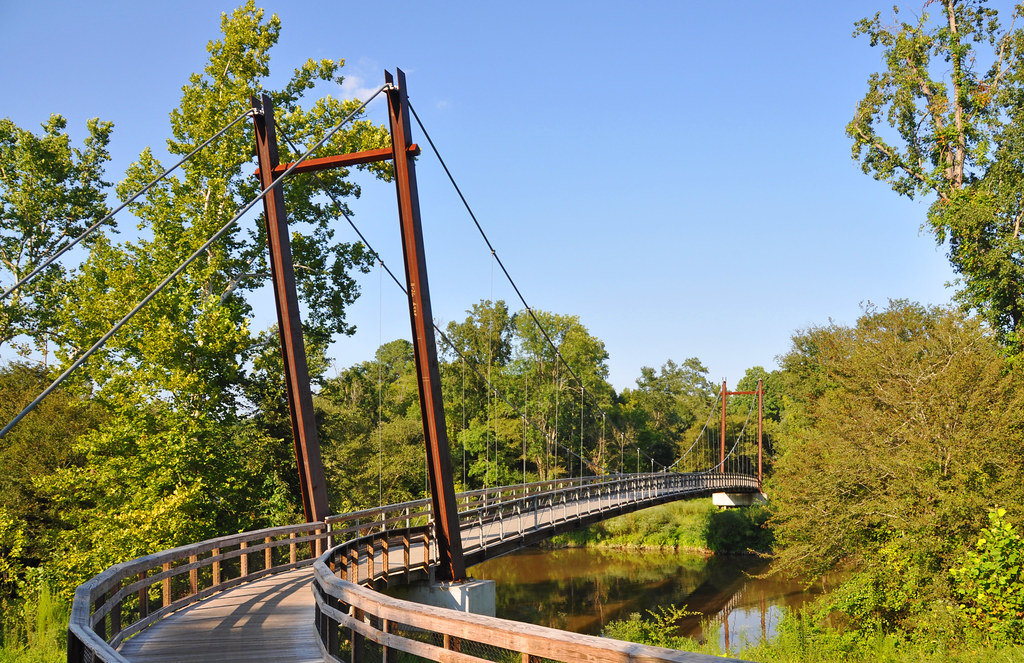
Raleigh's greenway system is the most underrated quality-of-life asset in the city for buyers relocating from coastal metros. Over 140 miles of connected greenway trails run through the city - linking neighborhoods, parks, and the Neuse River corridor in a way that allows residents to commute by bike, walk to adjacent neighborhoods, and access nature without leaving city limits. For active buyers who assumed they were giving up outdoor access by choosing a mid-sized Southern city over a coastal market, Raleigh's greenway infrastructure consistently delivers the biggest quality-of-life surprise of the relocation.
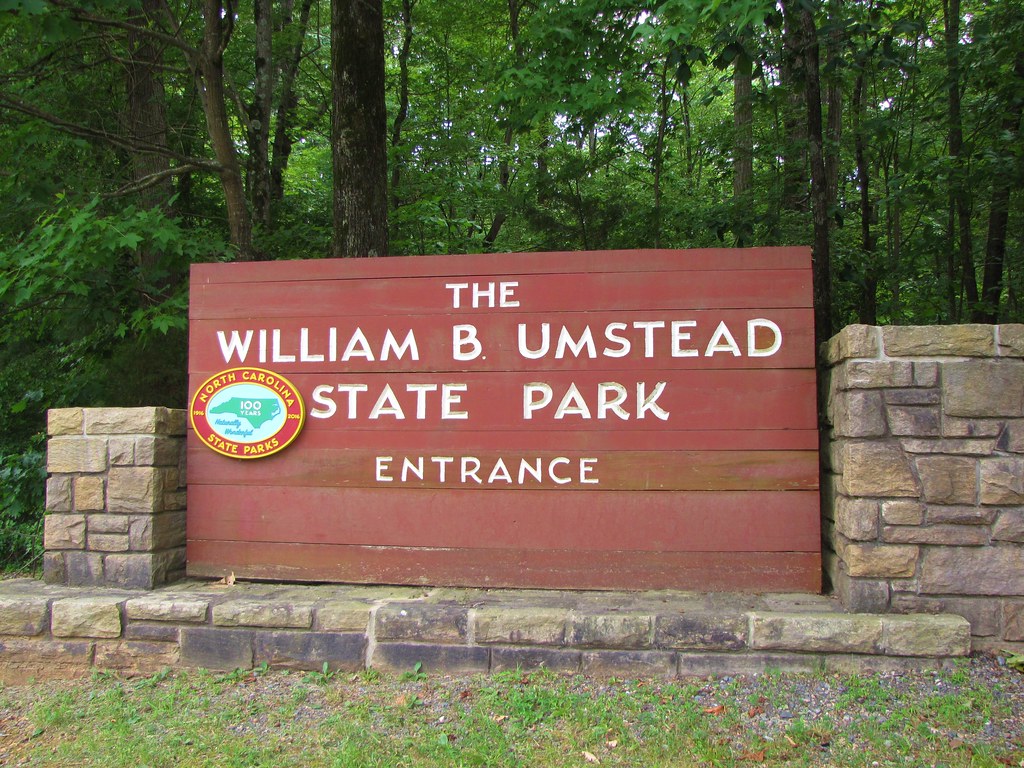
William B. Umstead State Park — 5,000 Acres Inside City Limits
One of the most remarkable urban assets in the U.S., Umstead sits within Raleigh’s city limits — bordered by I-40 and I-540. It provides a genuine wilderness escape just 15 minutes from the State Capitol.
- The Reality: 34.5 miles of hiking trails and 13 miles of multi-use trails for biking and equestrian use.
- 2026 Update: The Crabtree Creek Family Campground has officially reopened following a total renovation, featuring a new bathhouse and modernized campsites. Note: The Bridge Replacement Project for the South Turkey Creek trail is ongoing through late 2026 — check the visitor center for active detours.
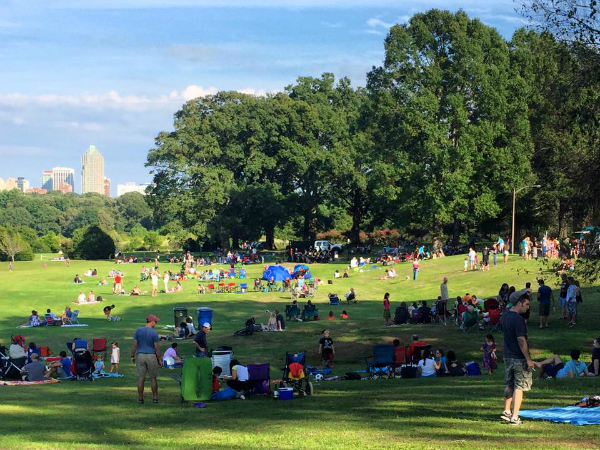
Dorothea Dix Park — Raleigh’s Central Park
Dorothea Dix Park is the most ambitious green space investment in the city’s history. For anyone considering moving to Raleigh NC, this 308-acre central park is a massive selling point. It is a daily-use amenity that is fundamentally driving property values and shaping the decision of whether is Raleigh a good place to live for active, outdoor-loving households.
- What’s New for 2026: The Gipson Play Plaza is now fully operational. This 18.5-acre “park within a park” includes massive playgrounds, a splash pad, the “House of Many Porches” market, and public art installations.
- The Buyer’s Calculus: For those considering Downtown or South Raleigh, Dix Park is no longer a “future plan” — it is a daily-use amenity that is fundamentally driving property values in the surrounding neighborhoods.
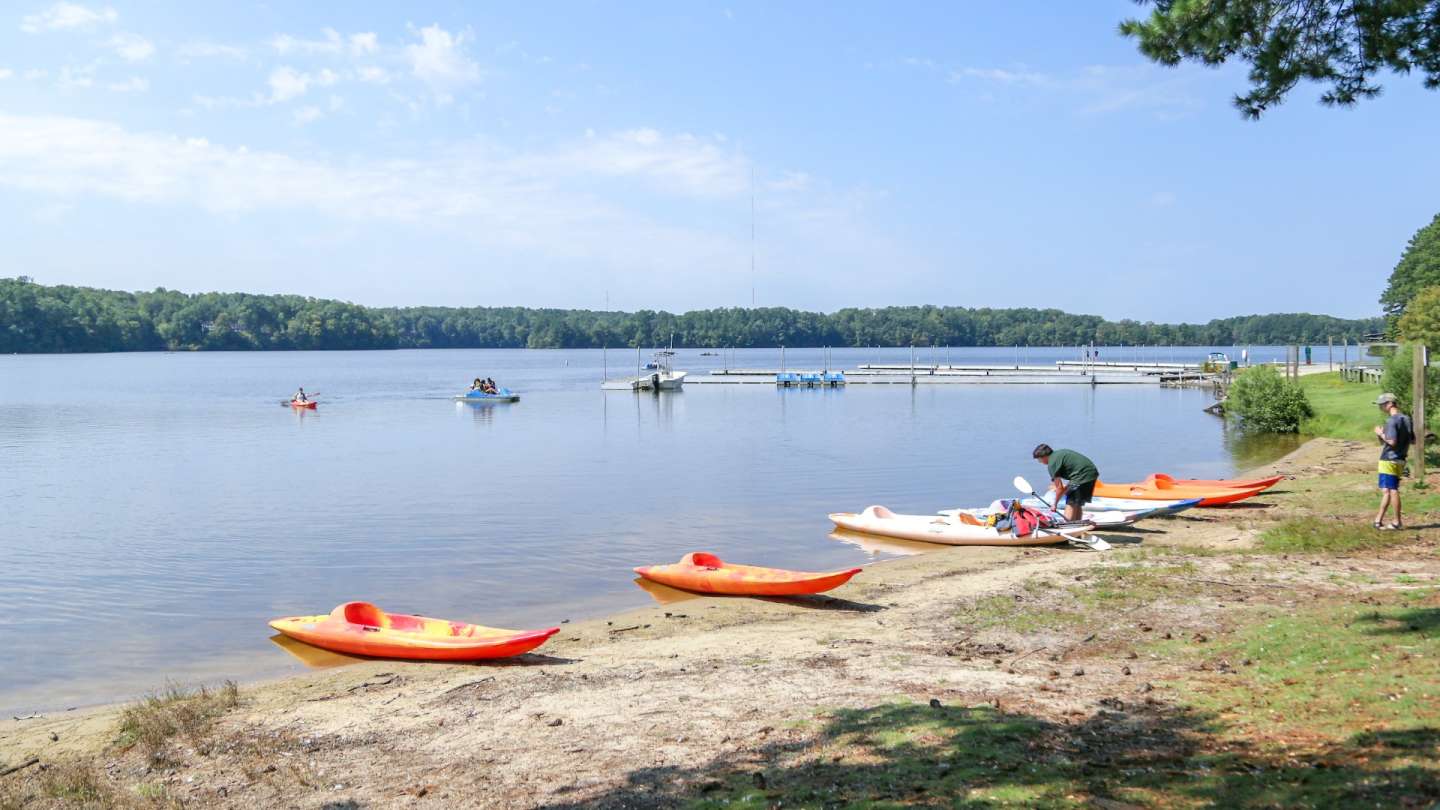
Lake Wheeler Park — The Waterfront Lifestyle Anchor
A 650-acre reservoir on Raleigh’s southern edge that feels worlds away from the city.
- The primary freshwater sailing venue for the Triangle, hosting major regional events including the 2026 ACC Women’s Rowing Championships.
- Activities: Sailing, kayaking, and fishing. Unlike many suburban lakes, Lake Wheeler allows larger boat access and public ramps — making it a unique waterfront lifestyle play for Raleigh residents.
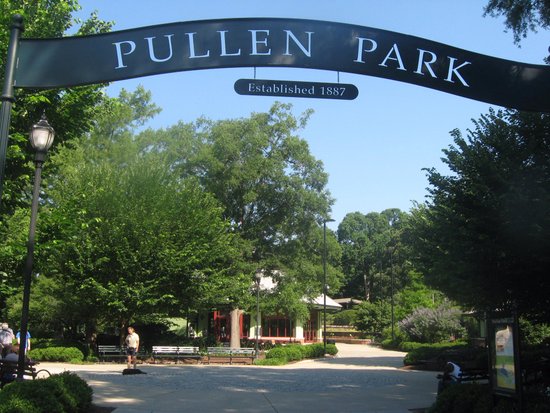
Shelley Lake & Pullen Park
- Shelley Lake (North Raleigh) — Centered around a 56-acre lake with a 2-mile paved loop. A key quality-of-life anchor for the North Raleigh residential market.
- Pullen Park (University District) — Established in 1887, this is one of the oldest operating amusement parks in the U.S. Featuring an antique carousel and a miniature train, it remains the heart of Raleigh for buyers living near NC State and the Village District.
Raleigh Greenway Network — 120+ Miles
Raleigh’s greenway system functions as a legitimate alternative transportation network, connecting numerous residential areas directly to local employment hubs. For active relocators searching online for the best neighborhoods in Raleigh NC based on trail proximity, analyzing greenway access points is a premier local strategy to evaluate bicycle-friendly commuting routes to nearby tech and research centers.
- Neuse River Greenway — 30+ miles of uninterrupted trail from Falls Lake down to Johnston County.
- Crabtree Creek Trail — In 2026, the city is testing glow-in-the-dark centerline stripes on high-traffic sections to improve safety for evening bike commuters.
Phil’s Perspective
“When people move here from DC, Boston, or Atlanta, they expect the ‘trees,’ but they don’t expect the ‘wild.’ I always tell my clients to spend a Saturday morning at Umstead and a Saturday afternoon at Dix Park. In the morning, you’re in a deep forest where you can’t hear a single car. In the afternoon, you’re at a world-class play plaza with a skyline view. That duality is why Raleigh wins the quality-of-life argument every single time. If outdoor access is your #1 priority, look at homes within a 2-mile radius of the Crabtree Creek Greenway — it is the super-highway for Raleigh’s active lifestyle and a highly resilient sector of the Raleigh real estate market.”
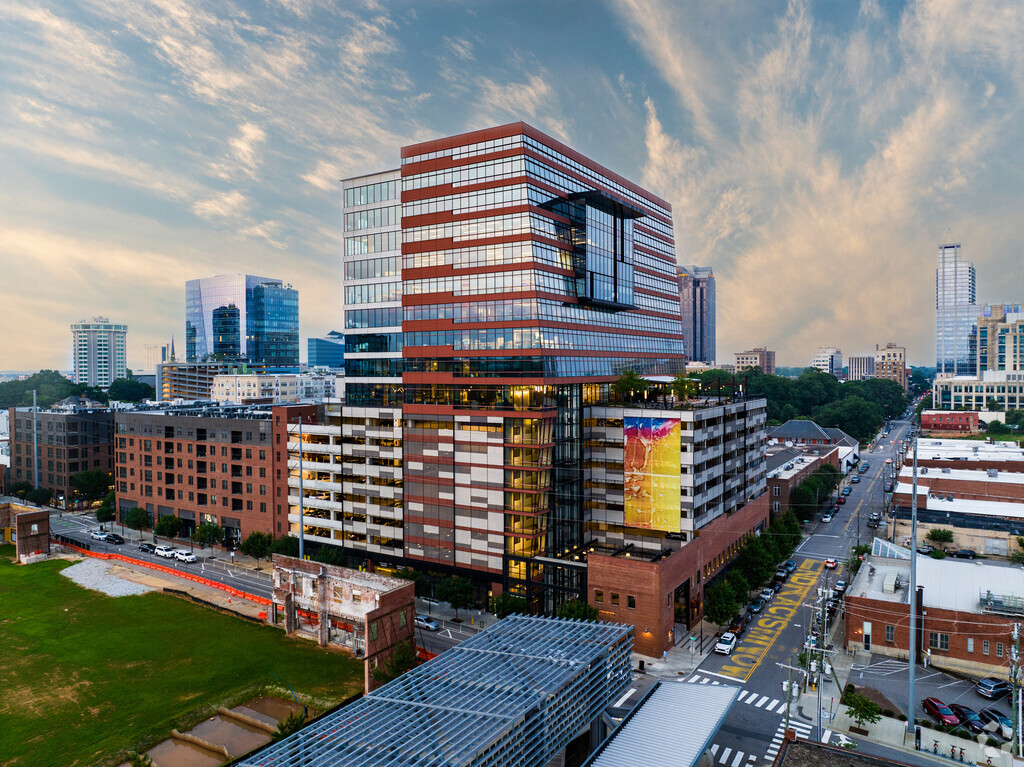
Amenities & Community Services: The Raleigh Standard
Raleigh is the Triangle's commercial, cultural, and healthcare hub. Residents here don't "drive to Raleigh" for amenities - they live amongst them.
North Hills - The Urban Mixed-Use Destination
The Kane Realty North Hills redevelopment has delivered a genuine urban mixed-use district that rivals major national metros. In 2026, the focus has shifted to the Innovation District, adding high-tech workspace alongside luxury living.
- Key Anchors: RH Gallery (Restoration Hardware) & Rooftop Restaurant, Whole Foods, Apple, Equinox, and SoulCycle.
- New for 2026: Standard Beer + Food has opened its massive second location in the Innovation District, and Mia's Bakery has become the Main District's premier dessert destination.
- The Buyer's Benefit: Residents in North Hills or nearby Midtown neighborhoods have a 5-minute radius for every high-end need - from organic groceries to boutique fitness.
The Downtown Core
Downtown Raleigh anchors the region's cultural scene with a walkable core of museums, performance venues, and dynamic mixed-use districts that give the city its distinctive urban character.
- NC Museum of Art (NCMA) — One of the Southeast's premier art museums, featuring a permanent collection spanning 5,000 years of artistic expression alongside rotating national exhibitions. The 164-acre Ann and Jim Goodnight Museum Park is the largest museum park in the country, with monumental outdoor sculptures and walking trails.
- The Warehouse District — Raleigh's historic warehouse corridor has been transformed into a dining and entertainment powerhouse, anchored by Morgan Street Food Hall, Transfer Co. Food Hall, and a dense concentration of breweries, cocktail bars, and art galleries in converted industrial spaces.
- Red Hat Amphitheater — An iconic downtown outdoor live music venue bringing national touring acts into the city's urban core.
- The Martin Marietta Center — The premier destination for performing arts, housing Broadway national tours, professional ballet, and grand symphony showcases.
West Raleigh / Arena District
The arena and entertainment corridor in West Raleigh is the Triangle's premier sports and events destination, anchoring a massive entertainment district that extends along Edwards Mill Road and Trinity Road.
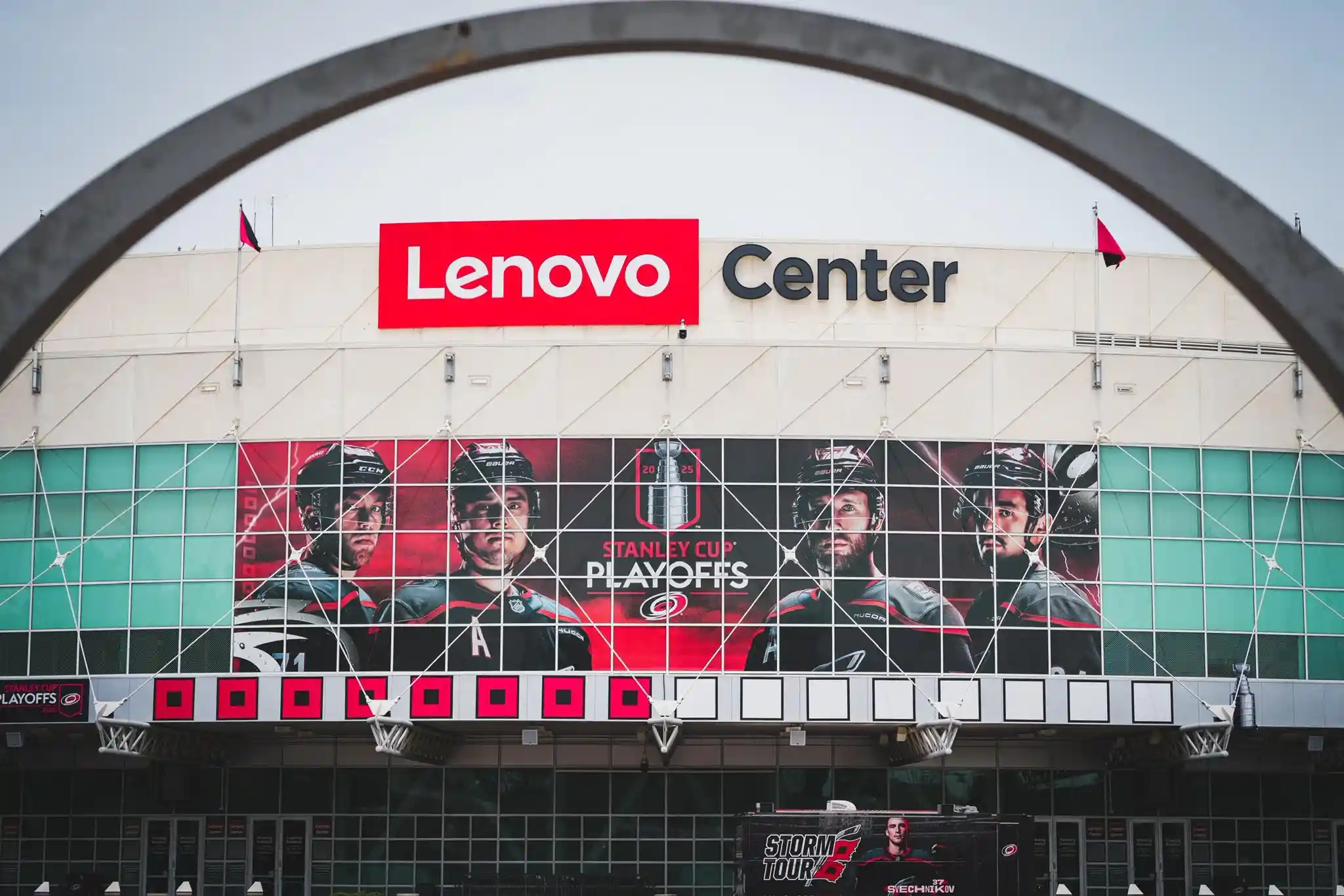
- Lenovo Center (Formerly PNC Arena) — Home to the NHL's Carolina Hurricanes and NC State Wolfpack basketball. Following the 2024-2025 renovations, the arena now features a new Beer Hall and a flagship Hurricanes Team Store. A $1 billion+ mixed-use district is under construction surrounding the arena, adding 1.5 million square feet of retail, office, and residential space.
- Carter-Finley Stadium — NC State's 57,583-seat football stadium, hosting Wolfpack football games, major concert tours, and large-scale outdoor events throughout the year. Located directly adjacent to the Lenovo Center and the NC State Fairgrounds.
- Reynolds Coliseum — The historic home of NC State basketball, now hosting smaller sporting events, concerts, and university functions on the NC State campus.
- NC State Fairgrounds — A 344-acre complex hosting the annual North Carolina State Fair, agricultural events, trade shows, concerts, and year-round community programming. Located in the heart of the West Raleigh entertainment corridor along Edwards Mill Road.
- Coastal Credit Union Music Park — A legendary 20,000-capacity outdoor amphitheater hosting the world's biggest summer concert tours.
The Raleigh Healthcare Network
Raleigh is the medical anchor of the Triangle, giving residents access to three world-class hospital systems without leaving city limits. This exceptional level of medical infrastructure is a cornerstone of living in Raleigh NC, ensuring premium healthcare is always less than 15 minutes away.
- UNC Health Rex - Ranked #3 hospital in North Carolina for 2026 and named to Money's "Best Hospitals" list. The primary choice for surgical and specialized cardiac care in the Triangle.
- WakeMed Raleigh Campus - The region's primary Level I Trauma Center and home to a dedicated Children's Hospital and Rehabilitation Hospital.
- Duke Raleigh Hospital - A campus of Duke University Health System - the #1 ranked system in NC - offering specialized oncology through the Duke Cancer Institute.
Phil's Perspective
“I tell my clients that Raleigh is a ‘15-minute city’ before that was even a buzzword. You can live in a quiet, tree-lined neighborhood like North Ridge and be at a Carolina Hurricanes game at the Lenovo Center or a world-class surgery center like UNC Rex in less than 15 minutes. If you are moving from a city like Atlanta or DC where ‘going to dinner’ is a 45-minute tactical mission, the Raleigh lifestyle will feel like a massive upgrade. My advice for 2026? Keep an eye on the Seaboard Station expansion - with Pizzeria Toro opening its first Raleigh location there this summer, that corridor is becoming the next big ‘walkable’ residential play.”
Dining & Entertainment in Raleigh, NC
Raleigh's dining and entertainment scene has officially arrived, making living in Raleigh NC an incredibly vibrant and culturally rich experience. It has quietly become one of the most impressive metros in the Southeast for a city of its size — and relocating buyers consistently rate the culinary landscape and theater options as the biggest quality-of-life surprise of their move. From local farm-to-table James Beard concepts to award-winning craft breweries, you will quickly discover why active relocators agree that Raleigh a good place to live for foodies and culture lovers alike.
The Landmark Icons
Dining: Angus Barn - DEFINITIVE LEGEND
For over 60 years, “The Barn” on US-70 has been Raleigh’s premier independent steakhouse destination. Phil’s Tip: Book a table in the Wild Turkey Lounge for a casual steak sandwich.
Dining: Death & Taxes - WOOD-FIRED ART
Multi-time James Beard winner Chef Ashley Christensen’s stunning concept features NC oysters and dry-aged steaks touched by fire inside a historic 1907 bank building.
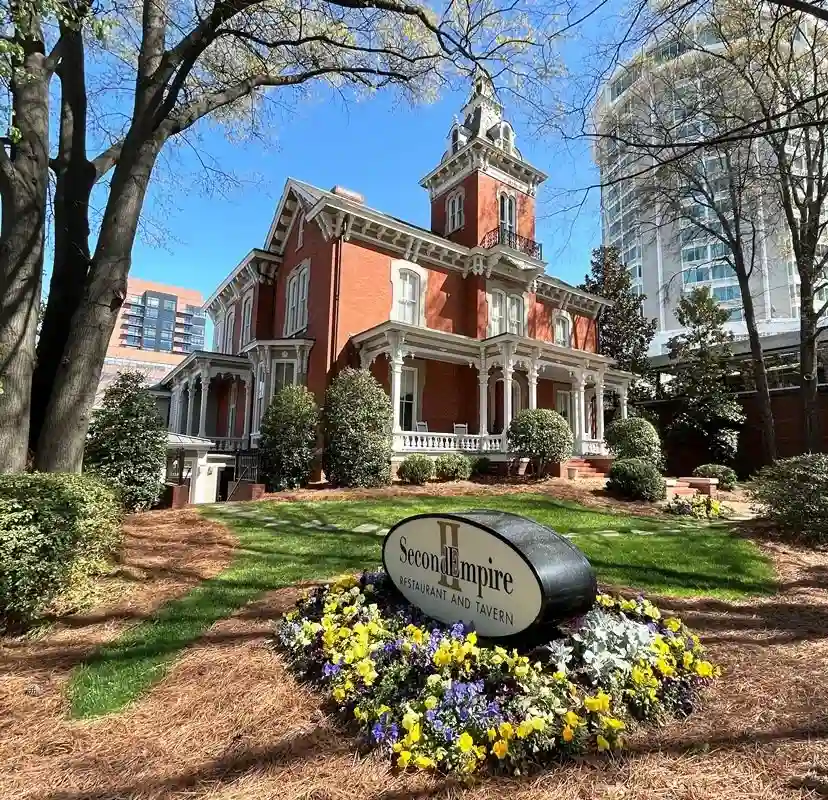
Dining: Second Empire - VICTORIAN LUXURY
Raleigh’s top choice for milestone dining set in a restored Victorian mansion on Hillsborough Street, featuring white tablecloth service and an elite tasting menu.
Dining: Sullivan’s - GLENWOOD POWER SPOT
Situated in the historic Creamery Building, this high-energy jazz and steakhouse anchor serves as the ultimate professional happy hour and power lunch destination.
Hotspots & Neighborhoods
Scene: RH Rooftop & Midtown Luxury
A glass-walled garden paradise filled with crystal chandeliers atop North Hills, offering panoramic views and a true “see and be seen” 2026 vibe.
Scene: Warehouse District & Food Hall
A walkable creative hub home to the 22,000 sq ft Morgan Street Food Hall (featuring Gym Tacos), artisan tea rooms like Heirloom, and local galleries.
Scene: Five Points & Village District
The heart of Old Raleigh charm. Home to Ajja (by Chef Cheetie Kumar), which earned a 2026 James Beard nomination for Best Chef: Southeast.
Scene: Historic Oakwood Local Staples
Anchored by Gravy for fresh pasta and slow-cooked Sunday sauce since 2009, paired perfectly with a trip next door to Sitti for authentic Lebanese food.
Entertainment & Stadiums
Venue: Lenovo Center & Carter-Finley
The heart of local sports and massive arena tours. Home to the NHL’s Carolina Hurricanes, sell-out concerts, and high-energy NC State Wolfpack football and basketball.
Venue: Coastal Credit Union Music Park
A legendary 20,000-capacity outdoor amphitheater at Coastal Credit Union Music Park hosting the world’s absolute biggest summer stadium concert tours.
Venue: Red Hat Amphitheater
An iconic downtown outdoor live music venue that brings heavy-hitting national touring acts right into the vibrant center of the city’s urban core.
Venue: The Martin Marietta Center
The premier destination for performing arts, housing high-end Broadway national tours, professional ballet, and grand symphony showcases.
Phil’s Perfect Saturday
Morning: Fuel Up Downtown
Grab a table and smash world-class, local comfort biscuits at Beasley’s Chicken + Honey right in the downtown core.
Afternoon: Walk It Off
Take a long, scenic walk or bike ride through the expansive fields of Dorothea Dix Park to clear your head.
Happy Hour: Sunset Skyline Views
Head over to High Rail — the stunning rooftop bar at Seaboard Station — for the absolute best sunset cocktail vista in the city.
The Reality: MICHELIN Has Arrived
With multiple Triangle spots honored in the inaugural MICHELIN Guide American South, Raleigh’s scene is elite. Reservations are mandatory across the board.
Where Raleigh Is Located & What the Commute Looks Like
Raleigh sits at the geographic center of the Research Triangle — equidistant from Research Triangle Park to the west, Durham to the northwest, and Chapel Hill to the southwest. Its position as the state capital also makes it the primary employment hub for state government, which employs tens of thousands of workers across the downtown and Dorothea Dix corridors. Because Raleigh commute times are highly favorable compared to major coastal metros, understanding where you work in relation to the main transit loops (I-40, I-440, and I-540) is key to selecting the right Raleigh real estate. This central access makes Raleigh one of the most connected addresses in the Triangle, allowing you to easily navigate between the region's top Raleigh neighborhoods.
| Destination | Distance | Off-Peak Drive | Peak-Hour Note |
|---|---|---|---|
| Downtown Raleigh | ~0 miles | - | Central location - short drive from any Raleigh neighborhood |
| Research Triangle Park (RTP) | ~15-20 miles | 15-25 min | 25-40 min peak via I-40 or I-440 |
| Durham | ~25-30 miles | 20-30 min | 30-45 min peak via I-40 West |
| Chapel Hill / UNC | ~28-35 miles | 25-35 min | 35-50 min peak via I-40 West |
| Cary | ~12-16 miles | 15-20 min | 20-30 min peak via I-40 or Wade Ave |
| Wake Forest | ~18-22 miles | 20-28 min | 28-40 min peak via US-1 North |
| RDU International Airport | ~12-16 miles | 15-22 min | 20-30 min peak via I-40 |
| Holly Springs | ~20-25 miles | 22-30 min | 30-45 min peak via I-540 |
| Fuquay-Varina | ~18-24 miles | 20-30 min | 28-40 min peak via US-1 South |
| Clayton / Johnston County | ~22-28 miles | 22-30 min | 30-45 min peak via US-70 |
Peak-Hour Reality Note
I-40 between downtown Raleigh and RTP carries significant morning (7-9 AM) and afternoon (4-6:30 PM) congestion. The I-440 Beltline is the primary surface alternative but experiences its own peak-hour delays at key interchanges. I-540 is the fastest outer loop for north-south Triangle travel but is still being completed. Buyers whose employment is in downtown Raleigh or the government corridor experience meaningfully shorter commutes than those headed to RTP - this distinction matters when evaluating Raleigh neighborhoods.
Future Growth & Development in Raleigh, NC (2026)
Raleigh's growth story is the Triangle's most multi-dimensional — driven by a downtown high-rise boom, the transformation of its sports and entertainment district, and a Central Park-scale investment that is redefining urban living. This massive wave of public and private development is a primary reason why people are moving to Raleigh in 2026. If you are looking to purchase new construction in Raleigh, these massive infrastructure projects are actively reshaping property values and creating exceptional long-term appreciation plays.
The Lenovo Center & Arena District Transformation
The area surrounding the Lenovo Center (formerly PNC Arena) is undergoing a literal ground-up reimagining. No longer just a standalone arena in a parking lot, this is becoming a year-round entertainment destination.
Dorothea Dix Park: The Gipson Play Plaza & Beyond
Dix Park isn't just a "park" anymore - it is Raleigh's new front yard.
The North Hills Innovation District
Kane Realty's $3 billion+ vision for North Hills has entered its most high-tech phase.
Infrastructure: The S-Line & Bus Rapid Transit (BRT)
Phil's Final Take
"When I look at Raleigh in 2026, I see a city that has stopped trying to 'keep up' and started leading. The Lenovo Center expansion is a game-changer for West Raleigh property values, and Dix Park has fundamentally shifted the center of gravity for the city south of Western Blvd. My advice for 2026 buyers? Don't just look at where the houses are pretty - look at where the cranes are. The area between Downtown and North Hills (the 'Midtown' corridor) and the 'Dix Edge' neighborhoods are the two most strategic appreciation plays in the market right now. You aren't just buying a home - you're buying into a multi-billion dollar municipal glow-up."
Awards & Recognition
Raleigh's quality of life is not just anecdotal - it is backed by national recognition year after year.
#1 Best U.S. City for Job Opportunities & Earning Potential
New York Post / ADP (2025-2026)
In a major 2026 update, Raleigh took the top spot for recent graduates and professionals - cited for its unique blend of high salary growth and lower-than-average cost of living compared to peer tech hubs.
#1 Best Place to Live in North Carolina
Niche (2026)
Consistently outperforming Charlotte and other regional neighbors, Raleigh remains the gold standard for North Carolina livability based on schools, safety, and amenities.
Top 10 Best City Parks in the U.S. (Dorothea Dix Park)
USA Today 10Best (2025 & 2026)
Raleigh's Central Park has reached the national stage - recognized alongside historic giants like Central Park and Balboa Park for its ambitious Gipson Play Plaza and skyline views.
Best Performing Large Metro Area
Milken Institute (2025-2026)
A critical data point for investors and homeowners: Raleigh continues to lead the nation in economic resilience, driven by the massive expansion of Research Triangle Park and the Apple and Google ripple effect.
Top 10 Most Educated Cities in America
WalletHub (2026)
With nearly 58% of residents holding a bachelor's degree or higher, Raleigh's intellectual capital remains its most durable competitive advantage - fueling the Triangle's biotech and software sectors.
#5 Happiest City in America
SmartAsset (2026)
Based on variables spanning personal finance, well-being, and quality of life, Raleigh was named the Happiest City in the Southeast for the second year in a row.
James Beard & MICHELIN Recognition
2026
Ajja (Cheetie Kumar) and Herons (Steven Devereaux Greene) both earned 2026 James Beard nominations, and the first-ever MICHELIN Guide American South officially selected 14 Raleigh-area restaurants for inclusion this year.
What Salary Do You Need to Live in Raleigh, NC (2026)?
As the capital city and largest urban anchor in the Triangle, Raleigh offers vibrant downtown living, thriving tech hubs,and exceptional suburban communities.
To comfortably purchase a median-priced home in Raleigh ($445,000)with a 20% down payment, most advisors recommend a household income of approximately $115,000â$125,000 per year. With a 10% down payment(accounting for PMI(),that rises to approximately $125,000â$140,000 per year.
For buyers moving from major coastal hubs or neighboring Triangle markets like Chapel Hill and Cary, Raleigh's value is immediate. You get direct access to North Hills, Bandwidth's HQ campus, state government hubs,and top health systems at a fraction of high-cost metro prices.
Monthly Cost Breakdown â $445,000 Home
| Cost | Monthly Estimate |
|---|---|
| Mortgage (20% down, 6.8% rate, 30yr) | $2,319/mo |
| Property Taxes ($0.9500/$100 City+County) | $352/mo |
| Homeowner's Insurance | $136/mo |
| HOA (varies; many historic areas have $0) | $50â$200/mo |
| Total Housing Cost | $2,857â$3,007/mo |
Monthly Cost of Living Beyond Housing
| Category | Monthly Estimate |
|---|---|
| Groceries (2-person household) | $400â$600 |
| Utilities (Duke Energy / Water / Gas) | $200â$350 |
| Transportation (gas, auto insurance, transit) | $250â$450 |
| Dining & Entertainment | $400â$700 |
| Healthcare (employer-supplemented) | $200â$400 |
| Total Non-Housing | $1,450â$2,500/mo |
Varies depending on lifestyle, family size, specific neighborhood, HOA fees, and down payment amount.
How Raleigh Compares Locally & Nationally
| City | Median Home Price | Income Needed to Buy |
|---|---|---|
| San Francisco, CA | $1,450,000 | $350,000+/yr |
| New York City, NY | $850,000 | $210,000+/yr |
| Chapel Hill, NC | $825,000 | $195,000â$215,000/yr |
| Cary, NC | $697,500 | $165,000â$180,000/yr |
| Washington, DC | $650,000 | $160,000+/yr |
| Raleigh, NC â | $445,000 | $115,000â$125,000/yr |
| Durham, NC | $460,000 | $115,000â$125,000/yr |
A household earning $125,000 per year in New York or DC faces tight housing budgets. In Raleigh,that same income level opens up options for single-family homes near North Hills, established Beltline neighborhoods, or flourishing communities in North Raleigh.
Raleigh balances capital-city job security, state government hubs,and tech growth with rich suburban amenity offerings.
Interactive Salary Calculator
Adjust the sliders to match your home purchase scenario.
| Estimated Monthly Mortgage (P&I) | $-- |
| Property Tax (est. $0.9500/$100) | $-- |
| Homeowner's Insurance (est.) | $-- |
| Total Monthly Housing Payment | $-- |
âRaleigh strikes a perfect balance between capital-city job stabilityand suburban lifestyle flexibility. Whether you're targeting IT-heavy corridors near North Hills, established homes inside the Beltline, or newer communities in North Raleigh, a household earning $120,000 per year can purchase a fantastic home with long-term appreciation momentum.â
Honest Pros & Cons of Living in Raleigh, NC (2026)
The Pros
- 1.Price relative to comparable coastal metros — the attainable $445,000 median delivers a quality of living in Raleigh NC that costs $700,000-$1.3M in Northern Virginia, Boston, or the Bay Area.
- 2.Employment diversity - RTP, state government, NC State, and a growing healthcare and life sciences corridor that is less cyclical than pure tech markets
- 3.NC tax structure - 3.99% flat income tax, no tax on Social Security, heading to 3.49% in 2027
- 4.University ecosystem - NC State, Duke, and UNC Chapel Hill within 35 minutes create talent, culture, and community that money cannot manufacture
- 5.Greenway infrastructure - 140+ miles of connected trails already built and actively maintained
- 6.Dining and arts scene - consistently surprises buyers who expected a second-tier Southern city experience
- 7.22 suburbs within 45 minutes - if Raleigh proper doesn't fit, the Triangle offers 22 distinct suburban markets at every price point and lifestyle
- 8.Access to nature - Umstead State Park, Falls Lake, Jordan Lake, the coast, and the mountains all within reasonable driving distance
The Honest Trade-offs
- 1.Traffic is real and getting worse — navigating the major corridors during peak hours is a genuine daily reality that impacts overall Raleigh commute times. Drive your specific route before committing.
- 2.School assignment complexity - WCPSS assignments are address-specific and change annually. Proximity to a school does not guarantee assignment. Verify at wcpss.net for every address.
- 3.Urban density is still developing - buyers expecting the walkability of a coastal city will find Raleigh more car-dependent than they anticipated outside of a few specific corridors
- 4.Summer heat and humidity - North Carolina summers run hot and humid from June through September. This matters more than most buyers from the Northeast anticipate
- 5.Property tax increase coming - Wake County approved a rate increase to $0.5371 per $100 for FY2026-2027 effective July 2026. Factor the updated rate into your monthly carrying cost calculation
The Honest Summary
Not every buyer belongs in Raleigh. Here's the honest breakdown of who should prioritize this market - and who should look at a different suburb instead.
Raleigh is the RIGHT market if you:
- Commute daily to RTP, Downtown, or North Raleigh
- Value being able to walk to a local brewery or James Beard-nominated bistro
- Want the lowest buy-in price point of the major Wake County hubs
- Travel frequently for work and need to be at RDU in under 20 minutes
Raleigh is the WRONG market if you:
- Need a massive lot, a three-car garage, and total suburban silence
- Want the absolute maximum square footage for your budget
- Are specifically looking for the finished, curated feel of a suburb like Cary
- Work in the southern biotech corridor - Holly Springs or Fuquay-Varina is a better fit
Phil's Perspective
"I don't believe in selling you on a city - I believe in making sure you understand exactly what you're getting into. Raleigh is an outstanding relocation market, but it has real trade-offs. The I-40 commute is real. The school assignment complexity catches people off guard. The summer humidity is no joke. And if you're coming from somewhere with great public transit, you need to know this is a car-dependent market. The buyers who thrive here are the ones who go in with clear eyes. That's what this section is for."
People Also Ask
Is Raleigh a good place to live?
Raleigh consistently ranks among the top 10 fastest-growing metros in the country because it delivers a genuinely complete urban quality of life — strong job market, excellent schools, vibrant dining and cultural scene, and outdoor access that rivals mountain towns. If you are planning on moving to Raleigh NC, whether this city is the right fit for your specific situation depends heavily on your commute tolerance, budget, and school priorities. The best way to find out is to spend a weekend here — drive the neighborhoods, eat at a few local restaurants, and talk to people who made the move.
What is the cost of living in Raleigh?
The median home price in Raleigh is approximately $445,000 as of mid-2026. Monthly housing costs for a median-priced home with 20% down run approximately $2,732 including mortgage, taxes, and insurance. Total monthly cost of living for a homeowning household runs approximately $3,900-$4,500 depending on lifestyle. North Carolina's flat 3.99% state income tax and absence of local income tax make Raleigh's total tax burden one of the lowest among comparable-quality major metros on the East Coast.
Is Raleigh growing too fast?
Raleigh's growth is sustained and infrastructure-supported rather than speculative. The metro added 2.4% population growth between July 2024 and July 2025 - ranking 10th nationally - driven primarily by domestic migration from high-cost metros and employer investment from RTP, Apple, and the growing life sciences corridor. Wake County projects a need for 125,000-175,000 additional housing units over the next 10-15 years. For buyers, that sustained demand is a long-term property value support signal rather than a risk factor.
What are the best neighborhoods in Raleigh NC?
There is no single best neighborhood - the right fit depends on your priorities. North Hills and Midtown deliver the most complete urban-suburban hybrid lifestyle. The Five Points and Boylan Heights historic corridors deliver authentic neighborhood character. North Raleigh delivers the best suburban value within city limits. Downtown delivers walkable urban access at the most accessible price point via condos. The most important step is identifying your commute destination and lifestyle priorities first - then matching the neighborhood to those parameters.
Raleigh vs Charlotte - which is better?
Raleigh and Charlotte are North Carolina's two anchor markets with distinct identities. Charlotte is a financial and corporate hub - larger, with more Fortune 500 headquarters and a more corporate business culture. Raleigh is a technology, research, and government hub - anchored by RTP, three universities, and the state capital employer base. Raleigh's median home price is slightly lower than Charlotte's comparable neighborhoods. Raleigh consistently ranks higher on quality-of-life metrics tied to education and outdoor access. The right market depends on where your employment takes you.
Is RTP a good area for jobs?
Research Triangle Park is a 7,000-acre research and technology employment corridor located between Raleigh, Durham, and Chapel Hill - one of the largest and most established research parks in the world. It houses over 300 companies employing more than 65,000 workers across technology, life sciences, biotechnology, and government research. RTP is the primary employment anchor for the Triangle housing market and the reason the region has consistently sustained residential demand through economic cycles that have hurt markets with less diversified employment bases.
Is now a good time to buy in Raleigh?
Raleigh's housing market in 2026 is in its most balanced state since 2020 - prices have stabilized near $445,000, inventory has grown to roughly 3.4 months of supply, and homes are taking about 45-60 days to sell. Buyers have meaningfully more negotiating leverage than at any point in the last five years. The long-term demand fundamentals - population growth, employer investment, university ecosystem - remain as strong as any market in the Southeast. For buyers who have been waiting for a calmer entry window, 2026 is it.
Is Raleigh NC safe?
Raleigh's crime rate varies significantly by neighborhood and zip code. South and southeast Raleigh corridors carry higher crime rates than North Raleigh, Midtown, and the established suburban neighborhoods. The city's overall crime rate sits below the national average for cities its size, and North Raleigh, Five Points, North Hills, and most established neighborhoods consistently earn strong safety ratings on NeighborhoodScout and Niche. As with any city of 500,000 people, address-specific research matters more than city-level averages. Use NeighborhoodScout.com and Niche.com to evaluate any specific address before purchasing.
Searching for the Best Real Estate Agent or Relocation Specialist in Raleigh, NC?
Phil Slezak Is One of the Triangle's Top-Producing Real Estate Agents
Relocating to Raleigh from out of state or across the Triangle? Phil specializes in guiding relocation buyers through Raleigh's neighborhoods and market.
People relocating to Raleigh search for a top or best real estate agent who knows the market and tells the truth about it. Phil Slezak has spent 20+ years helping buyers and sellers across the Triangle, and his track record is built on unfiltered local data, not sales pressure.
- 20+ Years in the Triangle: two decades helping relocators find the right fit across Raleigh, Cary, Apex, and the Greater Triangle.
- $200M+ in Career Sales: over $200 million in closed sales across the Greater Triangle and Brunswick County, built one family at a time.
- 500+ Buyers & Sellers Helped: hundreds of families across the Triangle guided with unfiltered data and zero sales pressure.
- Licensed NC Broker, Brokered by LPT Realty: NC Broker License #242173 with Phil Slezak Real Estate brokered by LPT Realty, and every buyer gets the lifetime Buyer Home Guarantee.
Every buyer also gets the lifetime Buyer Home Guarantee: if you don't love your home at any point, we'll sell it for free or buy it back.
Frequently Asked Questions
What are the zip codes in Raleigh?
Raleigh spans 15+ zip codes. Key codes include 27601-27603 (downtown), 27604-27605 (midtown/northeast), 27606-27607 (NC State/southwest), 27608-27609 (North Hills/Five Points premium corridor), 27610 (southeast, most affordable), 27612-27616 (North Raleigh). Median home prices vary from approximately $316,000 in 27610 to over $1,000,000 in 27608. Always verify school assignments and tax jurisdictions at the address level before purchasing.
What is the property tax rate in Raleigh?
The combined FY2026 rate for properties within Raleigh city limits is $0.9091 per $100 of assessed value — combining Wake County's current rate of $0.5371 and Raleigh's $0.3720 municipal rate. For a $445,000 home, that translates to approximately $4,045 per year or $337 per month. Verify current rates at wakegov.com before closing.
Does Raleigh have public transit?
Raleigh's public transit system - GoRaleigh - operates bus routes across the city but the Triangle is fundamentally a car-dependent market. The majority of residents drive to work. A regional bus rapid transit system and light rail are in long-term planning stages but are not operational as of 2026. Buyers who depend on public transit for their primary commute should evaluate walkable urban neighborhoods near bus corridors specifically.
What are the best suburbs of Raleigh?
The Triangle has 22 distinct suburban markets, each serving different buyer profiles. Apex and Cary are the most complete package options for RTP commuters. Holly Springs serves the biotech corridor. Wake Forest and Fuquay-Varina offer the best space per dollar in Wake County. Clayton and Knightdale deliver value for east Raleigh and downtown commuters. See the complete suburb guides on this site for full 2026 data on every Triangle community.
How far is Raleigh from the beach?
The NC coast - including Wrightsville Beach, Emerald Isle, and Atlantic Beach - is approximately 2 hours from Raleigh. The Outer Banks and Wilmington-area beaches are approximately 2-3 hours from Raleigh depending on specific destination and traffic. Summer Friday afternoon traffic on US-70 and NC-24 can extend that drive meaningfully - plan departures accordingly.
Phil's Perspective on Raleigh
"I moved to the Triangle from Connecticut over 20 years ago - and I remember exactly what it felt like to research this market from the outside. Everything looked good on paper but nobody was giving me the straight answers I needed to actually make a confident decision. That is why this site exists.
Raleigh in 2026 is one of the most compelling relocation markets in the country - but it is not for everyone and it is not perfect. The traffic on I-40 is real. The school assignment complexity is real. The summer humidity is real. And the price, while low by coastal standards, has moved meaningfully in the last five years.
What is also real: the employment base, the university ecosystem, the dining scene that keeps surprising people, the greenways, the outdoor access, and the fact that you can own a home near a historic neighborhood and a world-class research park for $445,000.
I have watched buyers from New York, DC, California, and Connecticut walk through this market and have the same realization - that the life they were working toward in their expensive city is available here right now, without waiting another decade for the prices to come down. My job is to make sure you understand exactly what you are buying - the good and the honest trade-offs - before you sign anything."
- Phil Slezak | Real Estate Broker | LPT Realty | 20+ Years in the Triangle
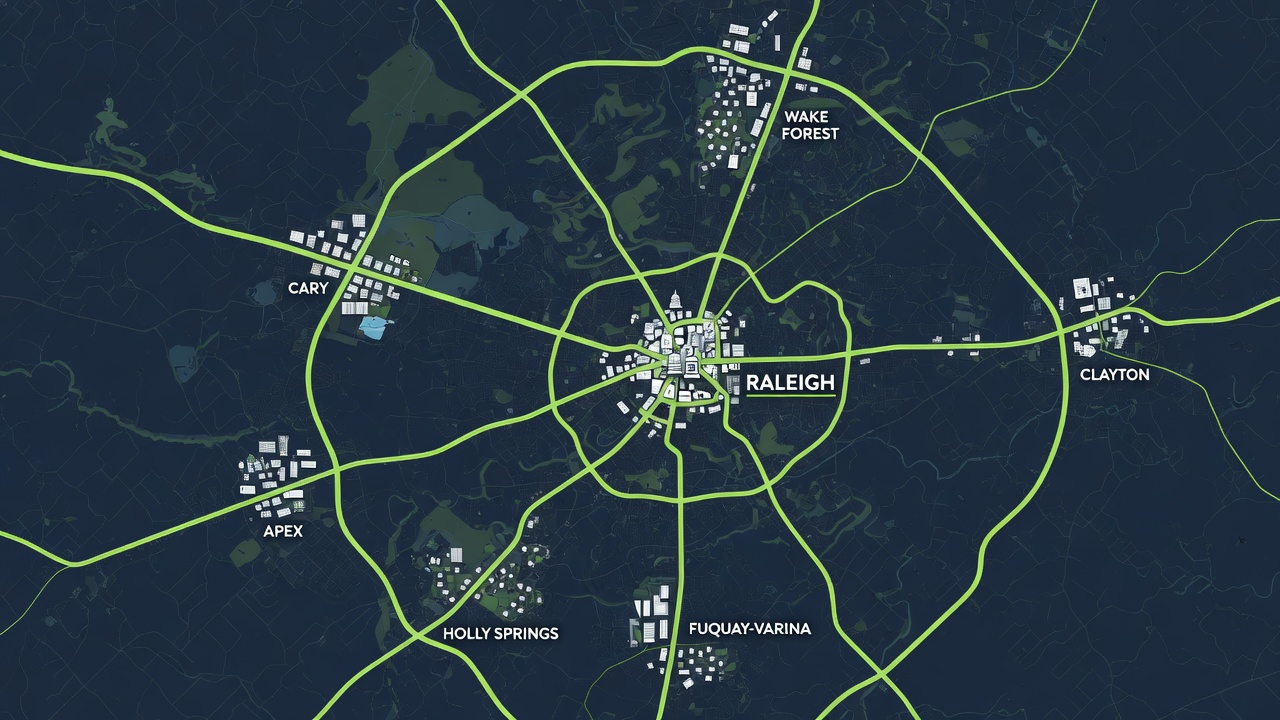
Ready to Make Your Move to Raleigh?
You have done the research. You understand the market, the neighborhoods, the commute reality, and the honest trade-offs. The next step is a conversation with someone who knows this market from the inside and has been exactly where you are right now. I relocated here from Connecticut. I have been in this market for over 20 years. And I built this site because nobody gave me the straight answers I needed when I was making this decision - so now I make sure every buyer I work with gets them.
Schedule a 15-Minute Strategy Call
Talk through your situation, timeline, and priorities with someone who knows the market.
Book DirectlyText RALEIGH to 919-899-2320
Get your free 2026 Raleigh Relocation Guide sent straight to your phone.
Send Text