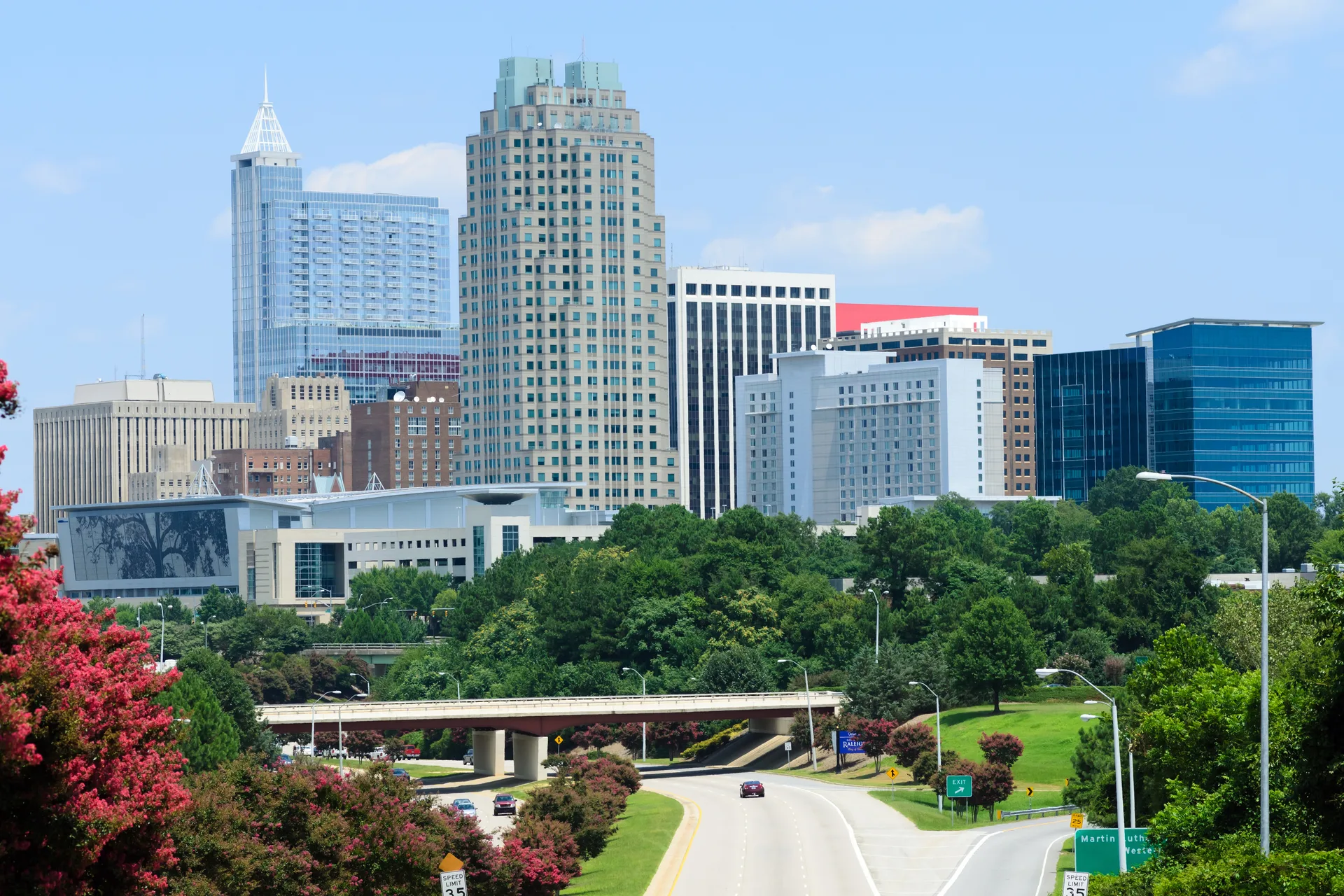
Raleigh, NC consistently ranks among the top places to live, work, and relocate in the United States. Known as the "City of Oaks," North Carolina's capital combines a booming economic landscape with expansive green spaces, world-class universities, and a thriving cultural scene. However, moving to a rapidly growing metropolitan area brings real-world nuances that basic real estate listings rarely explain. Before you pack your boxes and head to the Oak City, here are 18 essential factors to understand to ensure a smooth, informed relocation.
"To give you total clarity, unfiltered local data, and zero risk—backed by a lifetime guarantee that puts your peace of mind first."
1. The "ITB" vs. "OTB" Real Estate Divide Dictates Price and Lifestyle
Locals heavily divide Raleigh's residential landscape into two primary regions: ITB (Inside the Beltline) and OTB (Outside the Beltline). "The Beltline" refers to Interstate 440, the highway loop encircling central Raleigh.
ITB communities (such as Historic Oakwood, Five Points, and Hayes Barton) offer historic architecture, walkable oak-shaded streets, and rapid access to downtown amenities, but command significantly higher prices per square foot. In contrast, OTB areas feature larger lot sizes, newer master-planned subdivisions, and more square footage for your investment, though daily travel relies more heavily on driving.
2. Cost of Living: Affordable Compared to National Tech Hubs, But Rising
Raleigh's overall cost of living sits near or slightly below the national average, making it an attractive alternative to high-cost hubs like San Francisco, New York, or Boston. However, local inflation and population growth have steadily pushed up housing and service costs. While everyday utilities, groceries, and healthcare remain reasonably priced, housing cost inflation requires out-of-state buyers to carefully model their monthly budgets rather than relying on outdated historical figures.
3. The 2026 Housing Market and Price Realities
According to Doorify MLS market data, Raleigh's housing supply remains competitive, with properly priced homes averaging under 30 days on market. Blended median sales prices hover around $450,000 to $460,000 across all property types, while detached single-family homes regularly command higher median prices depending on location and age. Townhomes and condominiums provide popular alternatives for buyers prioritizing lower exterior maintenance.
4. Wake County Public Schools (WCPSS) Assign by Base, Choice, and Magnet Programs
Public education in Raleigh is managed by the Wake County Public School System (WCPSS) — the largest school district in North Carolina. Unlike districts where a home address strictly locks in a single school path, WCPSS uses a base assignment system integrated with magnet programs, application schools, and choice options based on program preference, capacity, and proximity.
Additionally, WCPSS operates on two primary calendars: Traditional and Year-Round (Single-Track or Multi-Track). Buyers with school-aged children should always verify a home's specific base assignments and calendar structure on the official WCPSS address lookup tool prior to submitting an offer.
5. Raleigh, Durham, and Chapel Hill Are Distinct Cities and Counties
Out-of-state buyers frequently mistake "The Triangle" for one single, unified city. In reality, Raleigh, Durham, and Chapel Hill are separate municipalities across three distinct counties (Wake, Durham, and Orange County). Each municipality maintains its own property tax rates, public services, school boards, and zoning regulations. Raleigh serves as the state capital and economic anchor of Wake County; Durham is home to Duke University and a booming health-tech sector; Chapel Hill offers a classic university-town atmosphere in Orange County.
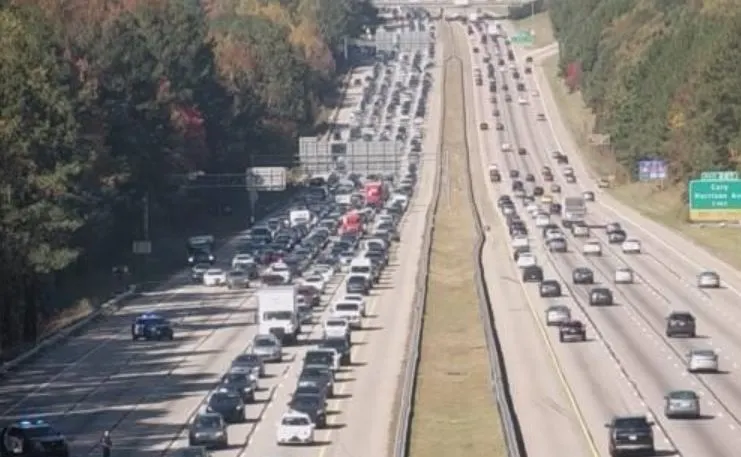
6. Traffic Patterns, Peak Commutes, and Key Transit Corridors
While Raleigh traffic is manageable compared to top-tier metropolitan areas, peak-hour bottlenecks along major arterial routes require planning. Heavy traffic points include Interstate 40 between Raleigh and RTP, the I-440 Beltline during rush hours, and major commuter arteries like US-1 (Capital Boulevard), Glenwood Avenue (US-70), and Wade Avenue.
Public transit is primarily bus-based via GoRaleigh and GoTriangle. If you plan to commute across county lines, testing your prospective route at 8:00 AM and 5:00 PM is highly recommended before finalizing your neighborhood choice.
7. The 540 Extension (Triangle Expressway) Reshapes Regional Travel
The ongoing expansion of the NC-540 Triangle Expressway toll highway has transformed transit throughout Wake County. Connecting southern and western areas directly toward RDU International Airport and RTP, NC-540 allows commuters to bypass inner-city surface street congestion. Proximity to an NC-540 interchange can trim 15 to 30 minutes off daily travel times, making western and southern Wake County developments increasingly popular.
8. Favorable Property Tax Rates Relative to Regional Neighbors
Property tax rates in Raleigh and Wake County remain advantageous compared to nearby regional markets like Chapel Hill (Orange County) or major metros in the Northeast and West Coast. Combined Wake County and City of Raleigh property tax rates sit under $0.90 per $100 of assessed value. On a home assessed at $500,000, general property taxes equal approximately $4,350 to $4,500 annually — providing substantial savings over higher-tax jurisdictions.
9. Job Opportunities Span Far Beyond Technology
While Research Triangle Park is world-renowned as a hub for technology, biotechnology, and agtech enterprises, Raleigh's job base is diverse. As the state capital, state government agencies serve as major regional employers. The area is also anchored by major healthcare systems (WakeMed, UNC Health, Duke Health), life sciences, higher education institutions, finance, and professional services.
10. World-Class Parks, Lakes, and 110+ Miles of Greenways
For outdoor enthusiasts, Raleigh offers exceptional parks infrastructure. The Capital Area Greenway System features more than 110 miles of paved multi-use trails connecting neighborhoods, parks, and waterways across the city.
Major outdoor destinations include William B. Umstead State Park (offering nearly 6,000 acres of hiking, trail running, and equestrian paths), Dorothea Dix Park (a 308-acre central park with skyline views), Lake Johnson, and Lake Lynn.

11. Weather, Humidity, and Early Spring "Pollen Season"
Raleigh experiences four true seasons, characterized by mild winters (occasional light winter weather), warm springs, crisp autumns, and hot, humid summers where temperatures regularly reach the high 80s and 90s degrees Fahrenheit.
12. Unmatched Access to Higher Education and Research
Raleigh is anchored by North Carolina State University (NC State) — the largest university in N.C., celebrated for engineering, veterinary medicine, agriculture, and design. Combined with nearby institutions like Meredith College, William Peace University, St. Augustine's University, Duke University, and UNC Chapel Hill, the region boasts one of the highest concentrations of college degrees and advanced research credentials in the nation.
13. RDU International Airport Delivers Fast, Stress-Free Travel
Raleigh-Durham International Airport (RDU) consistently ranks among the most efficient medium-sized airports in the United States. Situated northwest of Raleigh along I-40, RDU is reachable within 15 to 25 minutes from most parts of the city. The airport offers direct flights to major U.S. business hubs alongside expanding non-stop international flights to London, Paris, Frankfurt, Panama City, and Mexico.
14. Downtown Revitalization, Food Halls, and Social Districts
Downtown Raleigh has evolved into an active culinary, arts, and entertainment destination. Neighborhoods like the Warehouse District, Glenwood South, Person Street, and Fayetteville Street feature historic architecture alongside modern residential towers.
15. HOA Communities and Covenant Regulations Are Standard
A significant percentage of suburban single-family homes and townhouse communities in Raleigh operate under Homeowners Associations (HOAs). These associations maintain common amenities (such as neighborhood pools, playgrounds, clubhouses, and walking trails) and enforce community architectural guidelines. Buyers should review HOA covenants, monthly or annual dues, and financial reserve health during their due diligence period.
16. Drainage, Flood Zones, and Infrastructure Checks
As Raleigh expands, infrastructure varies by development era. While urban and inner-suburban homes connect directly to City of Raleigh public water and municipal sewer, outlying areas in Wake County may utilize private wells or septic systems. Furthermore, properties near creek systems (such as Crabtree Creek or Walnut Creek) may sit within FEMA floodplains. Having your real estate broker pull dedicated flood zone reports and verify utility connections is an essential due diligence step.
17. Top-Rated Neighborhood Micro-Markets (According to Niche.com)
According to third-party rankings from Niche.com, Raleigh contains several highly rated residential communities tailored to varying preferences. Top-rated areas highlighted by Niche.com include:
- North Hills (Midtown): High walkability, shopping, dining, and luxury mid-rise residences.
- Historic Oakwood: 19th-century Victorian architecture adjacent to downtown.
- Five Points: Charming 1920s bungalows, local storefronts, and tree-lined streets.
- Brier Creek: Modern master-planned golf community convenience near RDU and RTP.
- Bedford at Falls River & Wakefield Plantation: Established North Raleigh communities with extensive amenities and greenway connectivity.
18. Proximity to Both the North Carolina Coast and Mountains
One of Raleigh's greatest geographic advantages is its central location within North Carolina. Residents enjoy easy weekend getaways: Wrightsville Beach, Wilmington, and the Crystal Coast are just a 2-hour drive east down I-40, while the Blue Ridge Mountains, Boone, and Asheville sit 3 to 3.5 hours west.
Phil's Perspective
"Moving to Raleigh was one of the best choices I ever made, but relocating always comes with a learning curve. Having moved from Connecticut to Florida, the Caribbean, Hilton Head Island, and finally settling right here in the Triangle back in 2004, I know firsthand what it takes to evaluate schools, commute routes, and community vibes from afar.
Raleigh is an extraordinary city, but finding the ideal home requires authentic local insight — not just scrolling through generic online listings. My team and I are dedicated to helping you avoid costly relocation mistakes so you can settle into the right neighborhood with total confidence."
— Phil Slezak
Frequently Asked Questions
Is Raleigh, NC a good place to live in 2026?
According to Niche.com, Raleigh ranks consistently among the top cities in the U.S. for job growth, quality of life, public school options, and outdoor park systems, making it a premier relocation target.
How far is Raleigh from the beach and the mountains?
Raleigh sits in a prime central location: approximately 2 hours west of Wrightsville Beach and NC coastal beaches, and 3 to 3.5 hours east of the Blue Ridge Mountains and Asheville.
What is the cost of living in Raleigh, NC?
Raleigh's cost of living is competitive compared to major coastal tech hubs. Reasonable property tax rates and utility costs help maintain overall household affordability.
What are the top-rated neighborhoods in Raleigh?
According to Niche.com ratings and local market data, highly rated Raleigh communities include North Hills (Midtown), Historic Oakwood, Five Points, Brier Creek, Bedford at Falls River, and Wakefield Plantation.
How Phil Slezak Real Estate Can Help You
At Phil Slezak Real Estate, brokered by LPT Realty, we take the stress out of buying, selling, or relocating to the Triangle. We bring localized market intelligence, custom buying strategies, and industry-leading guarantees to protect your long-term investment.
Exclusive Off-Market Listings
Access homes before they hit the public MLS
Relocation Assistance
Comprehensive moving support and guide
Buyer Home Guarantee
If it's not perfect, we'll sell it for zero commission
Sold Zero Commission
Maximize equity with flexible listing options
Buyer Guide
Step-by-step guide to buying a home in the Triangle
Cash Offers
Receive up to 4 competitive cash offers on your home in minutes
Phil Slezak Real Estate — brokered by LPT Realty

Phil Slezak
Real Estate Broker · NC #242173 · Raleigh resident since 2004
I moved to Raleigh from Connecticut in 2004 and have spent two decades learning this market inside out. I know the pros and cons of living in Raleigh firsthand — including all the mistakes I made along the way. If you have questions about relocating to Raleigh, I'm happy to help.
Book a callRelated Articles
Phil Slezak Real Estate brokered by LPT Realty