Raleigh has four real seasons, and the honest summary is this: hot, humid summers with July highs near 89 degrees, mild winters with only about 4 to 6 inches of snow a year, a gorgeous spring that doubles as allergy season, and a long, comfortable fall that locals consider the reward for surviving August. The city sits roughly 130 miles inland from the Atlantic, so the real weather risks are inland flooding from hurricanes and brief severe storms, not coastal storm surge.
This is one of the first questions anyone asks me when they are seriously considering a move here, and it deserves a straight answer with numbers, because the weather is a big part of whether the Triangle actually fits you. I moved here from Connecticut more than 20 years ago, and I have lived through every season this region has to offer, including the ones the relocation brochures skip. Here is the full picture, month by month, with sources.
"To give you total clarity, unfiltered local data, and zero risk, backed by a lifetime guarantee that puts your peace of mind first."
The short answer
Raleigh's climate is humid subtropical: about 46 inches of rain a year, average relative humidity in the low 60s, July highs near 89 degrees, January lows around 30 degrees, and roughly 4 to 6 inches of snow per winter. All four seasons show up, but winter is short and spring is intense, both in beauty and in pollen. Summer air conditioning is not optional, and the electric bill is part of the real cost of living here.
The Four Seasons Are Real Here. Winter Is Just Short.
People moving from the Northeast ask whether Raleigh has "real" seasons, and the answer is yes, with one caveat: winter is the shortest one. The hot season runs from roughly late May to mid-September, when average daily highs stay above 81 degrees. July is the hottest month, with an average high of 89 degrees and an average low of 70 degrees. The cool season runs December through February, and January is coldest, with average lows near 30 degrees and average highs around 50 to 52 degrees.
Spring highs run from the mid-60s to the mid-80s, and fall highs average in the 70s. Across the whole year, the typical range is about 33 degrees to 89 degrees. If you are escaping a northern winter, that range is the whole point: you trade the deep freeze for a shorter, milder cold season, and you trade it for a longer, hotter summer.
Summer: Heat and Humidity Are the Real Story
Summer is where the Triangle separates from the Northeast. It is not just the 89-degree average high, it is the humidity. Average relative humidity runs about 61 to 63 percent and climbs in summer, so July and August feel hot and muggy in a way a dry-climate 90 degrees does not. Air conditioning is not optional, and the electric bill is the honest price of admission.
Electricity rates in Raleigh run roughly 10.4 to 15 cents per kilowatt-hour, below the national average, but Duke Energy's average residential bill jumps from about $120 a month in spring to $170 or more in mid-summer, and larger homes routinely see $200 to $350 peak months. That is a real line item in the cost of living, and it is one of the numbers I break down in my what it actually costs to live in Raleigh post. The good news: the heat is predictable, so you plan for it, and every home here is built around air conditioning.
Winter: Yes, It Snows. No, It's Not Buffalo.
Raleigh averages about 4 to 6 inches of snow per winter, and some winters produce nothing measurable. January is the coldest month, with lows around 30 degrees and highs near 50 degrees. The bigger winter hazard is ice: freezing rain and sleet hit the Triangle more often than heavy snow, and a light glaze can close schools and offices for a day because the region simply does not have the fleet of plows a northern city does.
The honest local truth: the Triangle mostly shuts down for 2 inches of snow. Coming from Connecticut, I found that funny for about one winter, and then I stopped complaining. You will not need a snowblower. You will need a decent rain jacket and the patience to let a rare ice day pass.
Spring and Fall: The Two Seasons Everyone Moves For
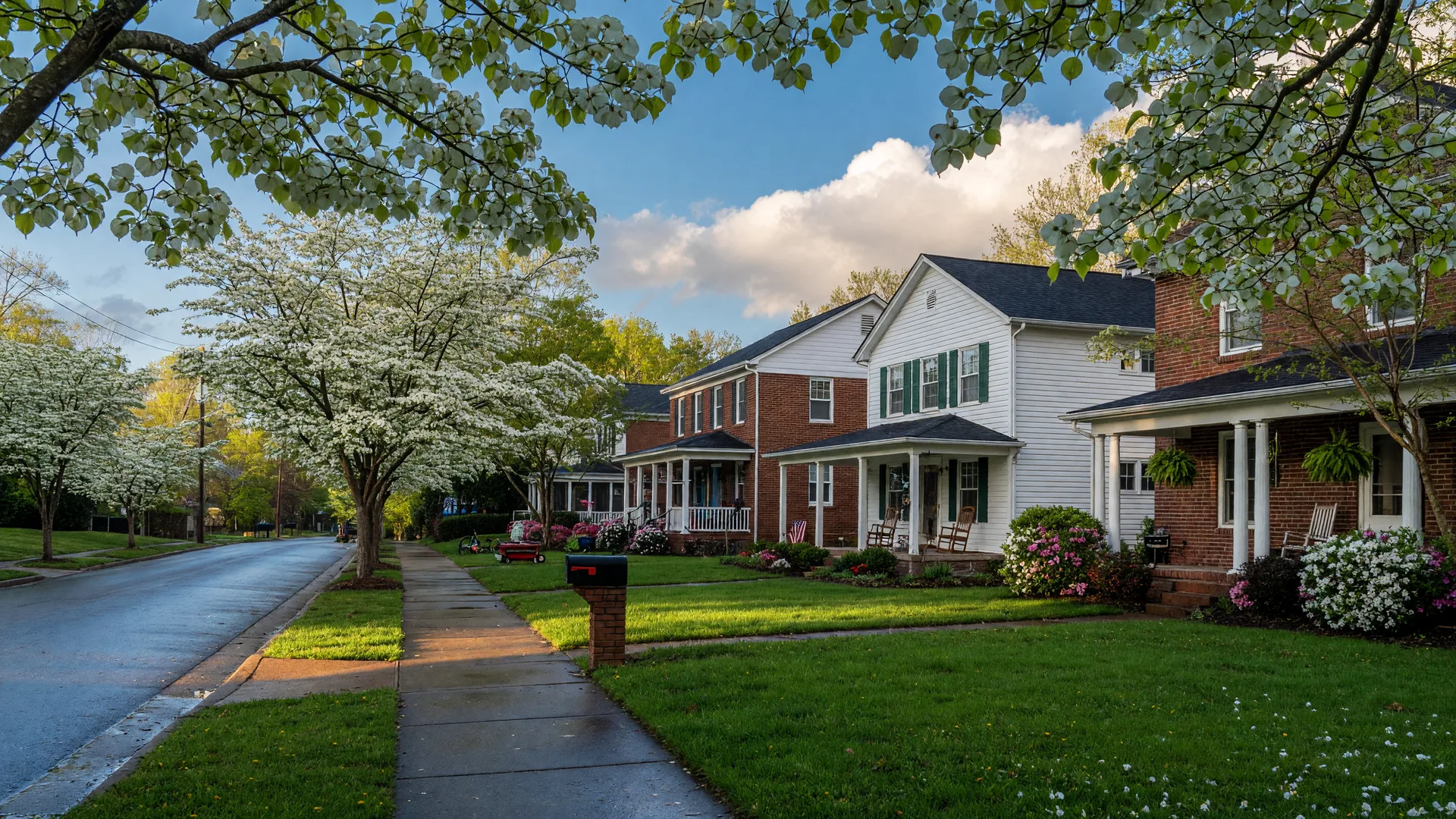
Spring in Raleigh is genuinely beautiful: dogwoods and azaleas bloom everywhere, and highs run from the mid-60s to the mid-80s. Fall is the best season of the year, with highs averaging in the 70s, lower humidity, and the driest stretch of the calendar. If you can time a house-hunting trip or a move, late September through early November is the most comfortable window of the year, and the market data in the market reports section show that is also when inventory sits at its seasonal peak. Two birds, one move.
Pollen: The Pollening Is Not a Joke
Here is the part the brochures leave out. Raleigh routinely ranks among the top 10 worst metros in the country for allergies, and locals have a nickname for spring: the Pollening. Tree pollen season runs from March through June and peaks in April. The worst offenders are oak, river birch, hickory, and maple, plus abundant pine, which coats cars in yellow dust but is actually less allergenic than the others.
The numbers are not subtle. On April 1, 2024, Raleigh recorded 5,219 grains of tree pollen per cubic meter, the highest daily count ever measured by the NC Department of Environmental Quality. Grass pollen takes over in summer, and ragweed spikes in the fall. If anyone in your family has seasonal allergies, budget for the real thing, and plan spring outdoor activities around the morning pollen counts.
Hurricanes: The Real Risk Is Inland Flooding, Not Storm Surge
Raleigh is about 130 miles inland, so the storm surge that devastates the coast is not the threat here. The threat is inland flooding from heavy rain, and it is real. Hurricane Florence in 2018 dropped more than 3 feet of rain on parts of the state, the wettest hurricane on record for North Carolina; Matthew in 2016 caused record river flooding; and Floyd in 1999 was a catastrophic flood event. Climate researchers and the National Weather Service note that hurricane flood risk is creeping farther inland as storms intensify and development replaces the ground that used to absorb water.
What that means practically: flood insurance is worth an honest look even outside a mapped flood zone, and it is one of the things I walk buyers through in my homeowners insurance post. The hurricane season runs June through November, and the practical routine is simple: know your flood zone, keep an eye on the forecast in September and October, and do not buy a home in a known flood path without asking the right questions.
Severe Storms and Tornadoes: Real but Brief
The Triangle has a genuine severe-weather season, most active in March and April and again in the summer. Severe storms bring damaging straight-line winds, hail, and brief tornadoes, typically EF0 to EF2, not the long-track monsters of the Plains. The National Weather Service office in Raleigh has issued enhanced (Level 3) and even rare high-end (Level 4 of 5) severe-weather risk outlooks for the area during spring cold fronts.
The practical takeaway is not to be scared, it is to be prepared: a weather app with alerts, a plan for an interior room or basement during warnings, and the same common sense you would use anywhere in the Southeast. Severe weather here is a spring ritual, not a constant threat.
What the Weather Actually Means for Your Move
Here is how I translate all of this into practical advice for people relocating:
- Budget for summer electric bills. Plan on $170 to $350 a month for larger homes in July and August, and factor that into the real cost of the house you are considering.
- Time your move for fall if you can. Late September through early November is the most comfortable moving window, and it is also peak inventory season in the Triangle.
- Leave the snowblower behind. You need a good rain jacket, an umbrella, and a plan for pollen season, not winter gear for a Buffalo winter.
- Weather is basically the same across the Triangle. Cary, Apex, Wake Forest, and Holly Springs share one climate, so pick your town on schools, commute, and budget, not on weather. My living in Raleigh guide and the 18 things to know before moving to Raleigh post cover the factors that actually differ by town.
Frequently Asked Questions About Raleigh Weather
What is the weather like in Raleigh NC?
Raleigh has a humid subtropical climate with four distinct seasons: hot, humid summers with July highs near 89 degrees; mild winters with January lows around 30 degrees and only about 4 to 6 inches of snow a year; a pollen-heavy spring; and a long, comfortable fall with highs in the 70s. The city gets about 46 inches of rain a year and sits roughly 130 miles inland, so hurricane impacts arrive as inland flooding rather than storm surge.
Does it snow in Raleigh?
Yes, but not much. Raleigh averages about 4 to 6 inches of snow per winter, and some winters see almost none. January is the coldest month, with average lows near 30 degrees and highs around 50 degrees. Ice from freezing rain is often a bigger problem than snow, and the region shuts down more readily than northern cities because it has limited snow-removal equipment.
How hot does it get in Raleigh in the summer?
July is the hottest month, with an average high of 89 degrees and an average low of 70 degrees, and 90s are common during heat waves. Humidity makes it feel hotter: average relative humidity runs about 61 to 63 percent and peaks in summer. Air conditioning is essential, and summer electric bills commonly run $170 to $350 for larger homes.
Is Raleigh humid?
Yes. Raleigh's average relative humidity is about 61 to 63 percent, highest in the summer months, which makes July and August feel hot and muggy. Winters are less humid, and fall is the most comfortable season of the year.
Does Raleigh get hurricanes?
Raleigh is about 130 miles inland, so it does not get coastal storm surge, but it does get the inland flooding that decaying hurricanes bring. Hurricane Florence in 2018 dropped more than 3 feet of rain on parts of North Carolina, and Matthew in 2016 and Floyd in 1999 caused record river flooding. Flood insurance is worth evaluating even outside mapped flood zones.
How bad is pollen in Raleigh?
Bad enough that Raleigh routinely ranks in the top 10 worst metros in the country for allergies. Tree pollen runs March through June and peaks in April, with oak, river birch, hickory, and maple the main offenders. On April 1, 2024, Raleigh recorded 5,219 grains of tree pollen per cubic meter, the highest daily count ever measured by the NC Department of Environmental Quality. Grass pollen follows in summer and ragweed in fall.
Lifetime Buyer Home Guarantee
Buy Your Triangle Home Without the Risk
The weather is one thing you cannot control. The home purchase is another. If you don't love your new home at any point, we'll sell it for free, or in many cases, buy it back ourselves. Backed completely in writing, for as long as you own the home.
Option 1
We Sell It for $0 Listing Commission
If the home isn't the right fit, we list, market, and sell it while waiving the entire listing-side commission, so you keep more of your hard-earned equity.
Option 2
The Direct Buyback Option
In specific scenarios, we may offer to purchase the home directly from you.
Either way, you're covered for the life of your homeownership. No ticking clock. No expiration date. When you purchase your next home through our team, you're automatically enrolled in the protection plan from day one. Full details are on the Lifetime Buyer Home Guarantee page.
Sources and Methodology
Temperature, precipitation, snowfall, and humidity figures come from Weather Spark's Raleigh climate data, BestPlaces, and the Raleigh-Wake climate overview. Hurricane and inland flood history is from WRAL and the National Weather Service Raleigh office. Pollen figures, including the April 1, 2024 record count, are from the NC Department of Environmental Quality as reported by the News & Observer and WUNC. Severe-weather risk levels are from News & Observer and ABC11 coverage of National Weather Service outlooks. Electricity rate and bill figures are from EnergySage and Duke Energy reporting. Climate averages describe the Raleigh metro and apply across the Triangle's Wake County suburbs.
Weather Spark: Raleigh climate by month
BestPlaces: Raleigh NC climate
Raleigh-Wake: climate overview
WRAL: climate change is moving hurricane flood risk inland
National Weather Service Raleigh: hurricane preparedness
News & Observer: NC pollen season at its peak
WUNC: Raleigh ranks among worst metros for pollen allergies
News & Observer: severe storms and tornadoes possible in the Triangle

Phil Slezak
Real Estate Broker · NC #242173 · 20+ years in the Triangle
I moved to Raleigh from Connecticut and have spent two decades helping out-of-state buyers understand what this region is really like, weather included. If you want the honest read on a specific town, price range, or property, I can walk you through the numbers, no slide show required.
Book a callRelated Articles
Phil Slezak Real Estate brokered by LPT Realty