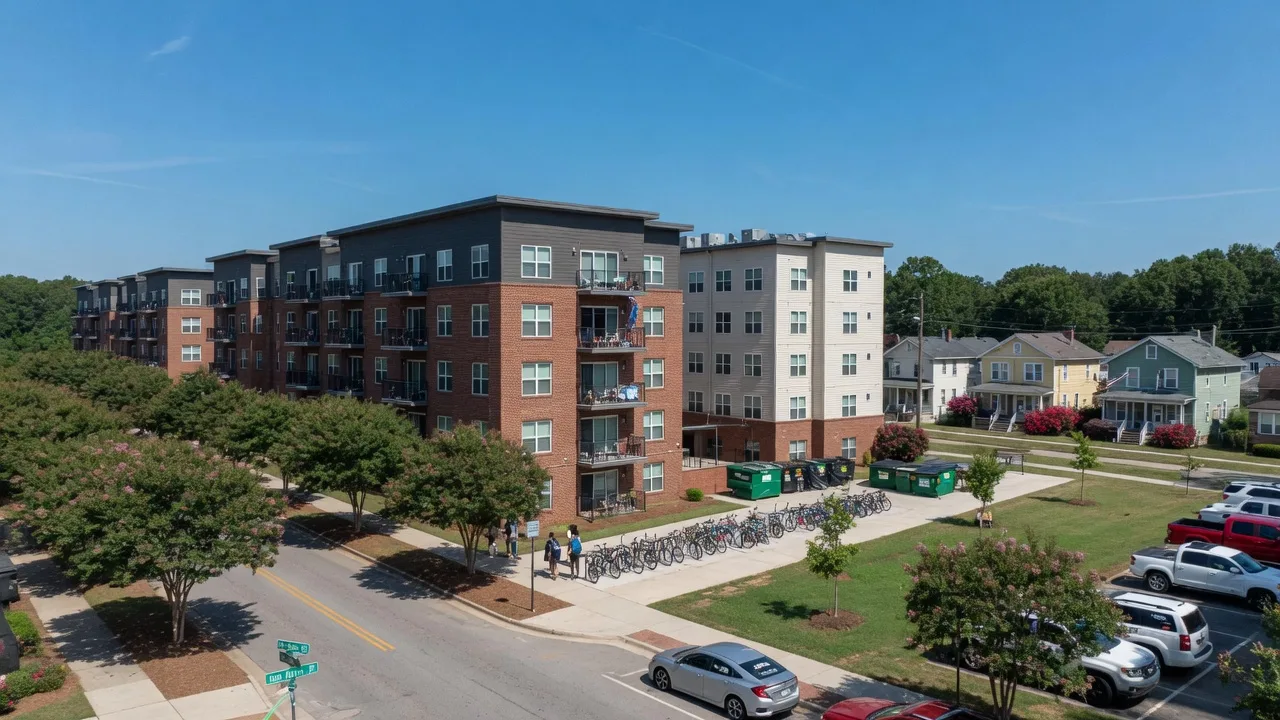
If you've been shopping for residential investment properties across Raleigh, Cary, Durham, or Wake Forest recently, you've likely hit the same wall that many investors face: Traditional single-family rentals no longer cash flow like they used to. With median single-family home prices hovering near $450,000+ across Wake County, buying a standard suburban home as a single-tenant rental often results in paper-thin margins or negative cash flow after mortgage, taxes, and insurance.
However, experienced Triangle investors are quietly achieving strong, positive cash flow at entry price points around $300,000. The secret? Purchasing 4-bedroom properties strategically located near major universities and utilizing a by-the-room (student/co-living) rental model that self-manages with ease.
The Math: Traditional Single-Family vs. By-the-Room Strategy
Understanding why by-the-room outperforms traditional long-term rentals at the $300,000-$325,000 price point.
| Strategy Metric | Traditional Single-Tenant Lease | By-the-Room University Lease (4-Bed) |
|---|---|---|
| Price Point | $300K-$325K | $300K-$325K |
| Rental Rate Structure | $1,850/mo (Single Master Lease) | $700-$750/month per bedroom (4 beds) |
| Gross Monthly Income | $1,850/month | $2,800-$3,000/month |
| Estimated PITI + HOA | ~$2,100/month | ~$2,100/month |
| Net Cash Flow Reality | -$250/month (Negative) | +$350 to +$550/month (Positive) |
Why University Micro-Markets Drive Consistent Occupancy
The Triangle is home to more than 100,000 college and graduate students, creating an enormous, consistent rental demand base:
- • NC State University (36,000+ students) — Limited on-campus housing forces most upperclassmen and grad students into the surrounding rental market.
- • Duke University & Duke Medical Center — Medical residents, nursing students, and grad researchers create year-round demand.
- • NC Central University, Shaw University, Peace University — Additional student populations that expand the rental pool across Durham and Raleigh.
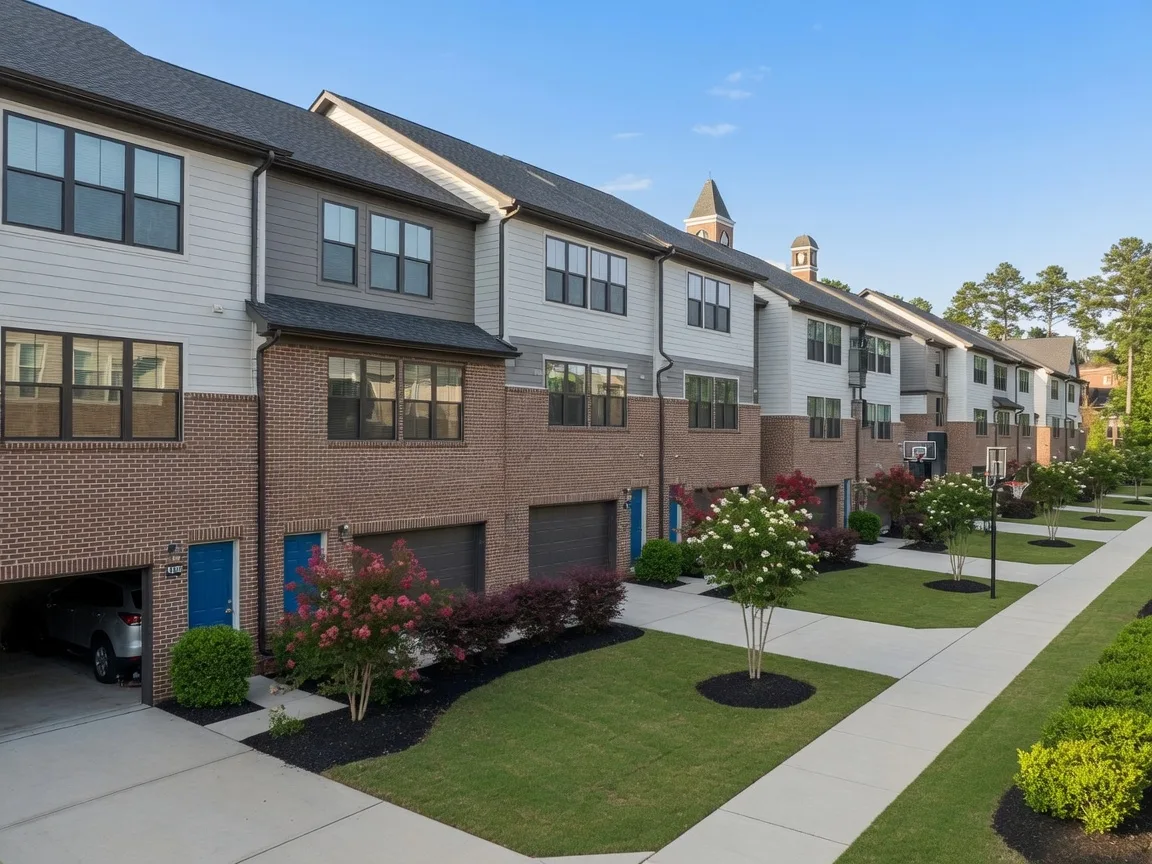
Self-Management Is Easier Than You Think
One of the most common concerns investors raise about by-the-room rentals is management complexity. In practice, a handful of modern tools make self-management straightforward:
- Individual Digital Leases: Each tenant signs their own lease agreement with clearly defined terms, security deposits, and room assignments.
- Automated Online Rent Collection: Platforms like Avail, Zillow Rental Manager, and TenantCloud handle collection, late fees, and reporting automatically.
- Utility Split Software: Tools that divide the monthly electric and water bills equally among tenants, removing the burden from the landlord.
- Low Turnover Hassle: Twelve-month academic calendar leases align with the school year, and replacements are typically easy to find given the massive student population.
Critical Investor Due Diligence: Zoning & Occupancy Rules
Before purchasing any property for a by-the-room strategy, verify these two critical items:
- 1. Municipal Occupancy Limits: Raleigh, Durham, and surrounding municipalities each have their own zoning codes defining how many unrelated individuals may occupy a single dwelling unit. These limits typically range from 3 to 5 unrelated adults. Verify the specific limit for your target address before underwriting the deal.
- 2. HOA Leasing Caps & Rental Restrictions: Many townhome and condo communities limit the percentage of units that can be rented at any given time. Some ban short-term leases outright. Always request and review the full HOA covenants, conditions, and restrictions (CC&Rs) before making an offer.
Phil's Perspective
"I've been investing in and analyzing Triangle real estate since I moved here in 2004. The market has grown tremendously, but the investors who succeed long-term are the ones who adapt their strategies as prices evolve.
"Buying a single-family house and hoping for 2% rule cash flow doesn't work in Wake County anymore. But the university by-the-room strategy on 4-bedroom units is one of the few remaining 'sweet spots' where an investor can spend around $300,000 and build real, positive cash flow from day one. My team helps investors identify the right properties, analyze HOA documents, and verify zoning so you can invest with total certainty."
-- Phil Slezak
Where the 4-Bedroom Sweet Spot Actually Lives
The by-the-room strategy only works where the demand is dense and the supply of on-campus beds is capped. In the Triangle, that points to a handful of well-defined micro-markets:
- West Raleigh around NC State: the corridor from the Hillsborough Street campus edge toward Wade Avenue and the neighborhoods beyond Pullen Park absorbs overflow from on-campus housing every year. This is the deepest, most durable tenant pool in the state.
- Southwest Raleigh near NC State's Centennial Campus: the engineering and research presence there pulls a different tenant profile, graduate students and young researchers who rent year-round and stay longer than undergrads.
- Durham around Duke and the medical campus: neighborhoods within a short drive of Duke University Hospital and Duke's east and west campuses hold year-round demand from medical residents, nursing students, and graduate researchers who do not follow the academic calendar.
- South and central Durham near NCCU: NC Central adds a second Durham student population, expanding the rental base across the southern side of the city.
The common thread is walk-ability or a very short drive to campus, not the campus itself. A 15-minute drive radius keeps the tenant pool enormous while opening up better price points than the blocks that touch campus directly.
Underwriting Like a Landlord: The Six Numbers That Matter
A great price means nothing without a disciplined underwrite. Run these six numbers on every deal before you fall in love with the floor plan:
- Gross scheduled rent: the $700-$750 per bedroom rate on a 4-bed unit, which is the engine of the whole model.
- Vacancy and collection loss: between academic years and roommate shuffles, budget a real vacancy allowance. The model survives it because four tenants de-risk a single vacancy.
- Property tax and insurance: run them at the address level. Wake and Durham county bills vary block to block, and landlord policies cost more than owner-occupied ones.
- HOA dues: the same HOA that caps rentals can also carry the big-ticket exterior maintenance. Read the budget, not just the fee.
- Maintenance and reserves: student-tenanted homes eat more wear per square foot. Reserve for appliances, paint, and flooring between lease cycles.
- Cash-on-cash return: divide your expected annual net cash flow by your actual cash invested. On the numbers above, a $300,000 purchase with a $60,000 down payment and $360-$550 of monthly net cash flow equals roughly 7%-11% cash-on-cash before appreciation, a respectable bar for a self-managed deal.
Those figures are illustrative planning math, not a promise, and the exact result depends on financing terms, the property's condition, and your actual expenses. The point is the discipline, run every deal the same way.
How to Fund the Deal: Investor Financing Realities
Financing an investment property is different from financing your own home, and the differences change the math:
- Conventional investment loans: expect a 20%-25% down payment and a rate above owner-occupied mortgages. The higher payment is the price of leverage on an income property.
- DSCR loans: debt-service-coverage lenders underwrite the property's rent, not your personal income, which helps investors with complex tax returns move faster.
- HELOC and portfolio strategies: many of my clients fund the down payment from equity in their primary homes rather than saving from scratch, which shortens the timeline by years.
Whatever the path, get your financing pre-approved before you make an offer. A cash-ready investor competes with a completely different level of credibility, especially in the $280,000-$340,000 band where this strategy lives.
When This Strategy Does NOT Work
Any credible guide owes you the downside, and this strategy has real failure modes:
- Low occupancy limits: if municipal zoning caps unrelated occupants at three and you need four beds rented to hit your number, the model breaks before it starts.
- Restrictive HOAs: the same communities that make great townhome product often cap rentals below your threshold. The HOA review is not a formality, it is the deal killer or the deal maker.
- Suburban distance: a 4-bed house 30 minutes from campus is a great family home and a mediocre student rental. The strategy compounds only where demand is dense.
- No exit plan: know before you buy what you will do in year seven, whether that is selling to a family buyer, converting to a single lease, or trading up. The best investors underwrite the exit at the same time they underwrite the entry.
The Investor's Checklist Before You Offer
- 1. Confirm the occupancy limit for the exact address with the municipality. Get it in writing, not from a neighbor.
- 2. Read the full HOA covenants and CC&Rs, including the rental cap percentage and any lease term minimums.
- 3. Run a rent survey of comparable by-the-room units within a mile, not the zip code.
- 4. Order the inspection with the business model in mind: four roommates mean four times the wear on HVAC, plumbing, and the kitchen.
- 5. Model the vacancy scenario with one bedroom empty for three months a year. If the deal still nets positive, it is a real deal.
- 6. Write your exit plan on one line before you sign, so you are never surprised by a market you did not plan for.
Frequently Asked Questions
Can you find investment properties in Raleigh for around $300,000?
Yes. While single-family detached homes average higher price points, 4-bedroom townhomes and condos near major universities regularly sell between $280,000 and $340,000, making them ideal cash-flow targets.
How do you handle utility bills with individual room rentals?
Most self-managing landlords either include utilities with a monthly cap built into the room rent or use property management software that splits the monthly electric/water bill equally among tenants.
Are by-the-room rentals legal in Raleigh and Durham?
Yes, provided the property complies with local municipal zoning laws regarding maximum unrelated occupants, building safety codes, and specific HOA regulations.
How Phil Slezak Real Estate Helps Investors Win
Whether you are a first-time investor or expanding a portfolio, my team provides the research, zoning verification, and off-market access you need to invest with confidence in the Triangle market.
Exclusive Off-Market Investor Listings
Access properties not on the public market
Relocation & Investor Guide
Full market intelligence for the Triangle
Buyer Home Guarantee
Risk-free buying protection
Sold Zero Commission
Keep more equity when you sell
Cash Offers
Fast, cash-powered transactions for investors

Phil Slezak
Real Estate Broker — NC #242173 — Triangle investor since 2004
I have been investing in and analyzing Triangle real estate since moving here in 2004. My team helps investors identify the right properties, analyze HOA documents, and verify zoning so you can invest with total certainty.
Book a callRelated Articles
Phil Slezak Real Estate brokered by LPT Realty