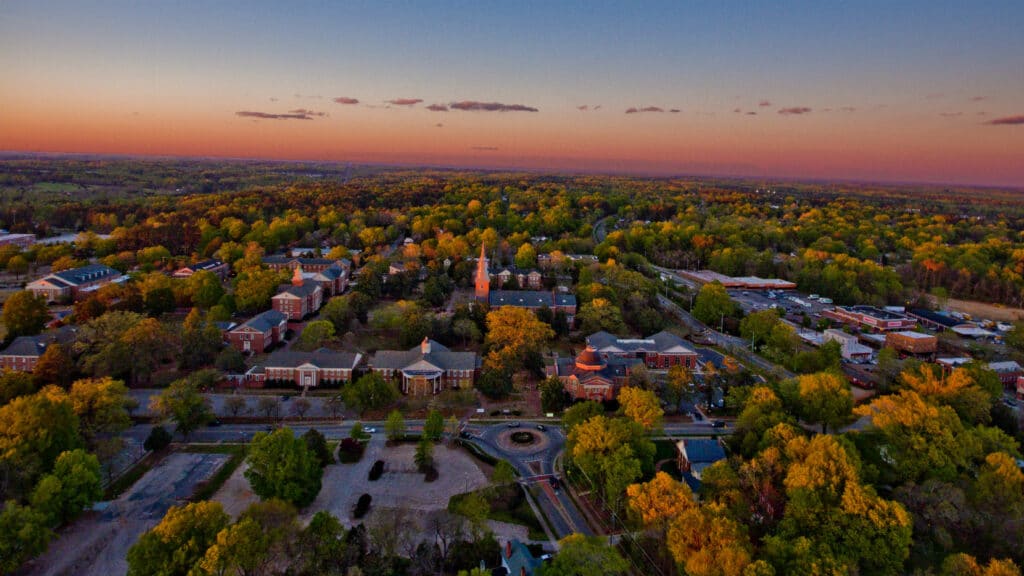
If you are weighing a move to Wake Forest, you have probably already noticed it comes up again and again on every "best Raleigh suburb" list, and for good reason. It is one of the fastest-growing towns in the Research Triangle, featuring a walkable historic downtown, a steady stream of new construction communities, and an accessible commute into Raleigh and Research Triangle Park (RTP). But "growing fast" also means the town looks different than it did five years ago, and the answers to the basic questions, cost, commute, schools, safety, matter more than general reputation alone.
Here are 18 essential things worth knowing before you make the move to Wake Forest, NC. For the full picture on housing, schools, cost of living, and neighborhoods, see our complete Living in Wake Forest guide.
"To give you total clarity, unfiltered local data, and zero risk—backed by a lifetime guarantee that puts your peace of mind first."
1. Is Wake Forest, NC a Good Place to Live?
For most buyers, yes. Wake Forest consistently ranks among the top places to live in North Carolina according to Niche.com, with residents pointing to its vibrant downtown, strong outdoor access, and balanced suburban feel. It is not for everyone, if you prefer a fully built-out, static suburb with zero ongoing development, Wake Forest may feel like a town in active transition. But if you value newer homes, expanding local dining, and evolving town amenities, it is an exceptional fit. Our Living in Wake Forest guide breaks down the awards and rankings behind that reputation in more detail.
2. Is Wake Forest a Suburb of Raleigh, or Its Own Town?
Both. Wake Forest is an independent, incorporated municipality with its own mayor, town council, public services, and rich local history located in northern Wake County. Functionally, however, it operates as a major Raleigh suburb, many residents commute south into Raleigh or RTP for work, and day-to-day amenities blend seamlessly across town lines.
3. How Far Is Wake Forest from Downtown Raleigh, RDU, and RTP?
Under normal traffic conditions, Downtown Raleigh is roughly a 25-30 minute drive south via US-1 (Capital Boulevard). Raleigh-Durham International Airport (RDU) is approximately 30 minutes away via I-540. Research Triangle Park (RTP) is typically a 30-35 minute commute, depending on your destination within the park and departure time.
4. What's the Cost of Living Like in Wake Forest?
Wake Forest generally runs slightly above the national cost-of-living average, driven primarily by housing demand. Most cost-of-living indexes place the town in the high single digits to mid-teens above national baselines overall. While utilities, groceries, and healthcare sit close to national averages, housing is the primary line item that shapes overall relocation budgets.
5. What's the Median Home Price in Wake Forest Right Now?
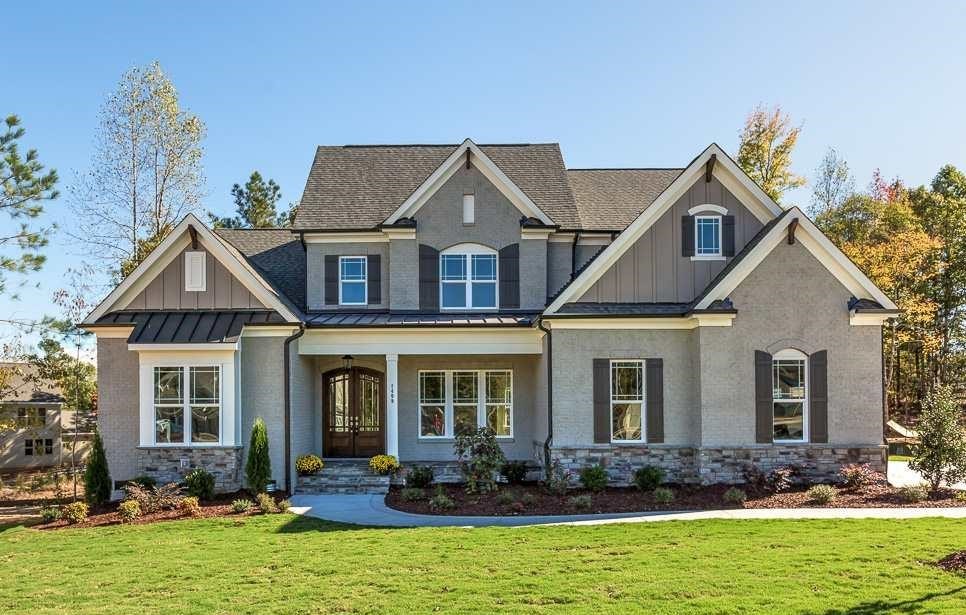
According to Doorify MLS data, the median closed price for a single-family detached home in Wake Forest reached $599,990 in July 2026. However, market inventory shifts continuously across price brackets, from luxury resale estates to lower-maintenance townhomes. Because local inventory moves quickly, it is always recommended to request real-time MLS market reports pulled during the specific week you begin shopping.
6. What Are Property Taxes Like in Wake Forest and Wake County?
Property taxes in Wake Forest combine the Wake County tax rate with the Town of Wake Forest municipal rate, billed together on one annual statement. Combined property tax rates run between $0.9371 and $0.9571 per $100 of assessed value. On a home assessed at $550,000, combined annual property taxes equal approximately $5,150 to $5,265, offering substantial savings compared to higher-tax regional markets like Chapel Hill or Orange County.
7. Is It Better to Rent or Buy First If You Are Relocating Here?
It depends on your familiarity with the area. Renting for six to twelve months is a sound strategy if you are relocating out-of-state and want to test commutes, school options, and micro-markets firsthand. However, if you are already familiar with Wake Forest or moving locally, purchasing directly often makes stronger financial sense given historical home equity appreciation across Wake County.
Note: If you do buy directly, our Buyer Home Guarantee ensures that if your home is not the perfect fit within your first year, we will sell it with zero listing commission.
8. What Are the Best Neighborhoods in Wake Forest?
The ideal neighborhood depends on your lifestyle priorities. According to ratings from Niche.com and local buyer activity:
- Downtown Adjacent / Historic District: Best for walkability, historic charm, and proximity to local shops on White Street.
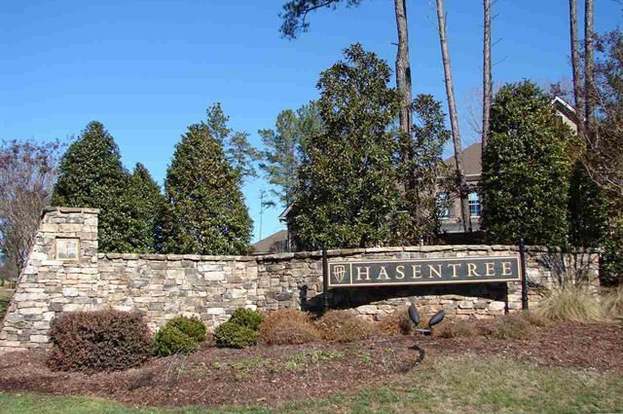
- Hasentree: A premier resort-style golf community featuring luxury homes, club amenities, and private facilities.
- Heritage: One of Wake Forest's flagship master-planned communities, offering golf, pools, greenways, and internal commercial amenities.
- Tryon at Wake Forest & Holding Village: Popular choices for modern construction, traditional neighborhood design, and community parks.
For a deeper look at housing types and price tiers across town, see the Housing Guide section of our Living in Wake Forest guide.
9. Where Can You Still Find New Construction?
A meaningful share of active inventory in the Wake Forest area involves new construction, concentrated along expanding corridors toward Youngsville and eastern Wake County. Communities like Holding Village, Traditions, and Tryon at Wake Forest offer modern energy-efficient builds. Because builder pricing and VIP phase releases shift rapidly, working with a broker who monitors builder inventory ensures you receive early access before public markups.
10. Is Wake Forest's Housing Market Competitive Right Now?
Wake Forest remains one of the most sought-after markets in the Triangle. Well-priced single-family homes in established school zones averaging under 30 days on market often see competitive interest. However, conditions vary by price bracket, condition, and season. Partnering with a dedicated buyer broker helps you craft competitive offers with strong due diligence protections.
11. What's the Commute Like to Raleigh and RTP?
Most Wake Forest commuters travel south via US-1 (Capital Boulevard), NC-98, or access the I-540 Northern Wake Expressway. While travel times are reasonable off-peak, peak morning rush hours (7:30 AM, 8:45 AM) add 15 to 25 minutes near key Raleigh interchanges. Test-driving your prospective route during peak travel hours is a critical due diligence step.
12. Who Are the Major Employers in and Around Wake Forest?
Healthcare, public education, government, and technology represent the largest employment sectors. Major employers include WakeMed Health & Hospitals, the Wake County Public School System, and municipality operations, alongside thousands of residents commuting into Research Triangle Park employers like Cisco, IBM, and Fidelity Investments. Apple has also committed to a future RTP campus, though that project remains on hold and the company's current North Carolina office presence is based in Cary.
13. Is There Public Transit, or Is It a Car-Dependent Town?
Wake Forest is primarily car-dependent. GoTriangle operates the Wake Forest-Raleigh Express (WRX), an hourly weekday bus route connecting Wake Forest to Downtown Raleigh, but daily errands and suburban travel still require a personal vehicle.
14. What School District Serves Wake Forest, and How Are Schools Rated?
Wake Forest is served by the Wake County Public School System (WCPSS). Public schools in the town, such as Wake Forest High School, Heritage High School, and local middle/elementary campuses, regularly earn high marks on Niche.com. Wake Forest also hosts strong charter choices (such as Wake Forest Charter Academy and Franklin Academy) alongside private school options. Always check the official WCPSS address assignment tool for specific property boundaries, and see the Schools section of our Living in Wake Forest guide for a closer look at individual school ratings.
15. Is School Overcrowding a Concern Given Regional Growth?
Rapid suburban growth makes school capacity an ongoing conversation across Wake County. WCPSS proactively manages capacity through capital building programs, boundary adjustments, and multi-track year-round calendar systems. Reviewing current school enrollment status and long-range facilities plans during due diligence helps prevent unexpected reassignment surprises.
16. What Is There to Do in Wake Forest, Downtown, Dining, Outdoors?
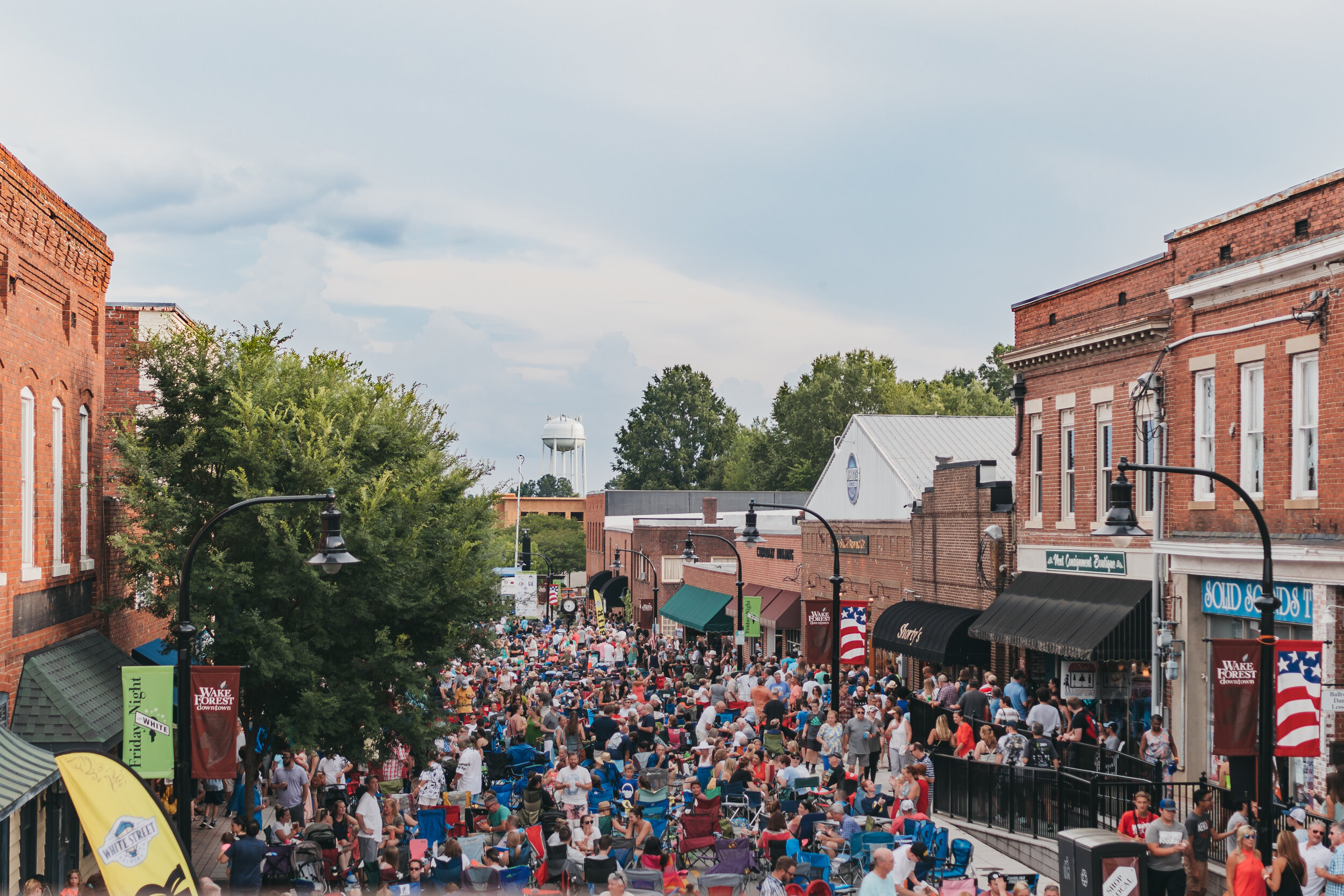
Wake Forest offers a vibrant day-to-day lifestyle. Historic White Street features craft breweries, coffee shops, boutiques, and popular annual events like Friday Night on White. Outdoor recreation thrives at E. Carroll Joyner Park (117 acres of trails and stone farm structures), Falls Lake State Recreation Area (boating, fishing, hiking), and the town's expanding greenway network. Our Living in Wake Forest guide covers the full dining and parks scene in more depth.
17. Whatever Happened to Wake Forest University?
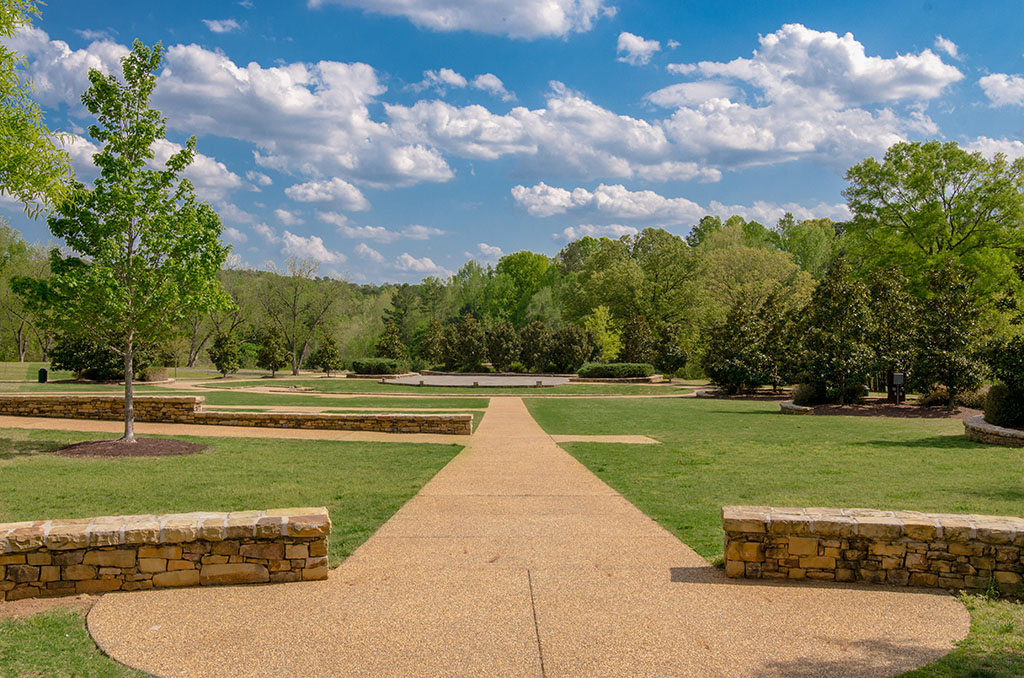
Wake Forest University was founded right here in town in 1834 and operated locally for over a century before relocating to Winston-Salem in 1956. The original historic campus located in Downtown Wake Forest is now home to Southeastern Baptist Theological Seminary, preserving the town's collegiate architectural heritage.
18. Is Wake Forest Safe, and What Should You Know Before Moving?
Wake Forest consistently reports crime rates well below national and state averages, making safety a key driver for relocating families and retirees. As with any municipality, reviewing local police department neighborhood report cards gives you hyper-local peace of mind prior to making an offer.
Phil's Perspective
"I moved to the Triangle in 2004 after living in Connecticut, Florida, the Caribbean, and Hilton Head Island. Over the past 20+ years, I have watched Wake Forest evolve from a quiet outpost into one of the most vibrant, complete communities in Wake County.
Relocating to a new market always comes with unanswered questions about commutes, school assignments, and future resale value. Statistics are helpful, but nothing replaces boots-on-the-ground experience. My team and I are here to help you navigate Wake Forest with total clarity so you can make a smart, protected move."
, Phil Slezak
Frequently Asked Questions
Is Wake Forest, NC a good place to live in 2026?
Yes. According to Niche.com, Wake Forest ranks among the best places to live in Wake County, earning high ratings for public schools, safety, family amenities, and downtown vibrancy.
What was the median home price in Wake Forest, NC in July 2026?
According to Doorify MLS data, the median closed sales price for a single-family detached home in Wake Forest was $599,990 in July 2026.
How far is Wake Forest, NC from RTP and Downtown Raleigh?
Wake Forest is approximately 25-30 minutes from Downtown Raleigh and 30-35 minutes from Research Triangle Park (RTP), depending on traffic and route.
What school district serves Wake Forest, NC?
Wake Forest is served by the Wake County Public School System (WCPSS), alongside top-rated charter options like Franklin Academy and Wake Forest Charter Academy.
How Phil Slezak Real Estate Can Help You
At Phil Slezak Real Estate, brokered by LPT Realty, we bring localized market intelligence, off-market access, and exclusive consumer guarantees to make your relocation seamless. Start with our full Living in Wake Forest guide for housing, schools, cost of living, and neighborhood breakdowns in one place.

Phil Slezak
Real Estate Broker, NC #242173, Triangle resident since 2004
I moved to the Triangle from Connecticut in 2004 and have spent two decades learning this market inside out. I know the pros and cons of living in Wake Forest firsthand. If you have questions about relocating to Wake Forest, I am happy to help.
Book a callRelated Articles
Phil Slezak Real Estate brokered by LPT Realty