Living in Raleigh, NC (2026 Guide)
Is Raleigh the Right Move for You?
Everything a relocation buyer needs to know: home prices, suburbs, neighborhoods, commute times, cost of living, and the honest truth about what it's really like to live here. Written by Phil Slezak, a real estate agent for Raleigh NC and the Triangle with 20+ years of local expertise. Updated September 2026.
514,000+
Population & Growing
~$445K
Median Home Price
1.6M
Metro Area People
Top 10
Fastest-Growing U.S. Metro
Living in Raleigh, NC - The Complete Package
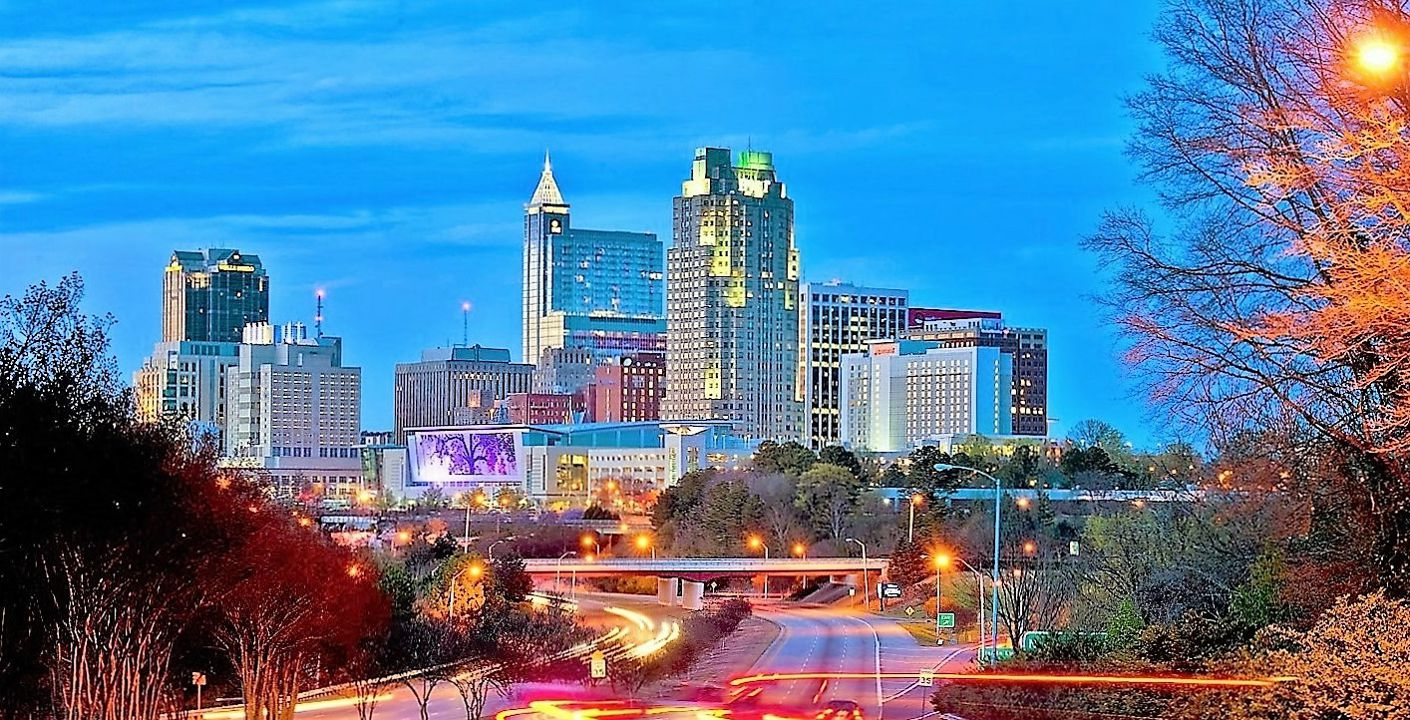
In 2026, Raleigh's story starts with three numbers that define its position in the national real estate conversation: a city population that crossed 500,000 for the first time, a metro area approaching 1.6 million people, and a median home price of approximately $445,000 - less than half of what comparable quality of life costs in Northern Virginia, the Bay Area, or the New York metro. No other state capital in the Southeast combines Raleigh's depth of employment, educational infrastructure, outdoor access, and urban culture at this price point. That combination is what has made Raleigh one of the top 10 fastest-growing metros in the country - and what continues to drive relocation buyers here from every high-cost market in America.
Raleigh is North Carolina's capital city and the anchor of the Research Triangle - a region defined by the concentration of NC State University, Duke University, UNC Chapel Hill, and Research Triangle Park, one of the largest research and technology employment corridors in the world. That intellectual and economic foundation is what separates Raleigh from other Sun Belt growth markets. The growth here is not speculative. It is driven by sustained employer investment, a world-class university pipeline, and the kind of innovation economy that has historically supported residential values through market cycles that punish less-diversified markets.
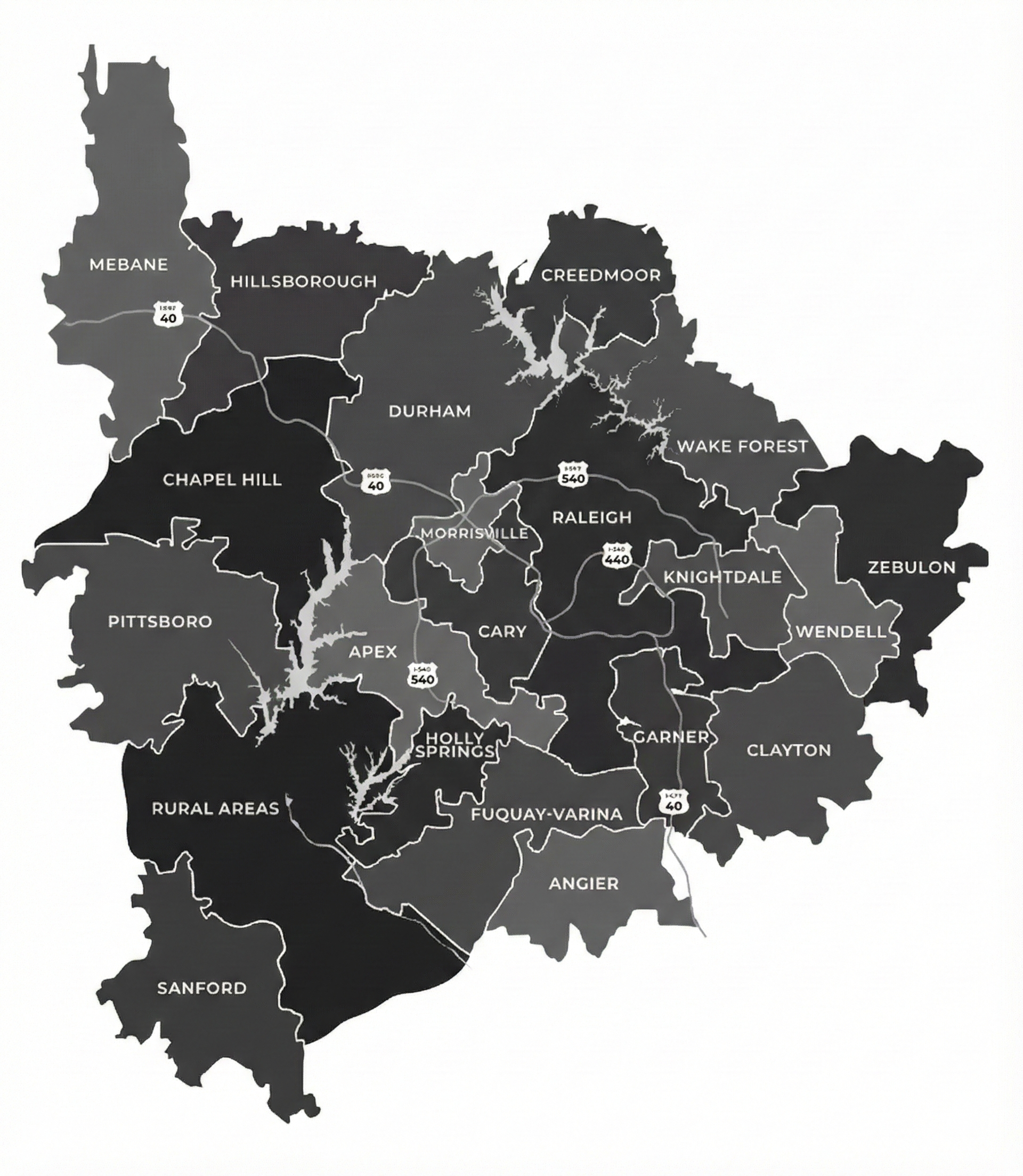
For buyers relocating from out of state, Raleigh offers something increasingly rare in 2026 - a genuinely complete urban market at a price point that still makes financial sense. The downtown dining and arts scene rivals cities twice its size. The greenway system provides outdoor access without leaving the city. NC State's Centennial Campus and the growing Midtown corridor are delivering urban mixed-use development at a pace that is reshaping the city's identity. And for buyers who want more space, more land, or a different lifestyle than urban Raleigh offers - 22 suburbs across the Triangle are within 45 minutes, each with its own distinct character, price point, and commute reality. This guide covers all of it.
Get the Complete 2026 Raleigh Real Estate Guide
Download the Complete 2026 Guide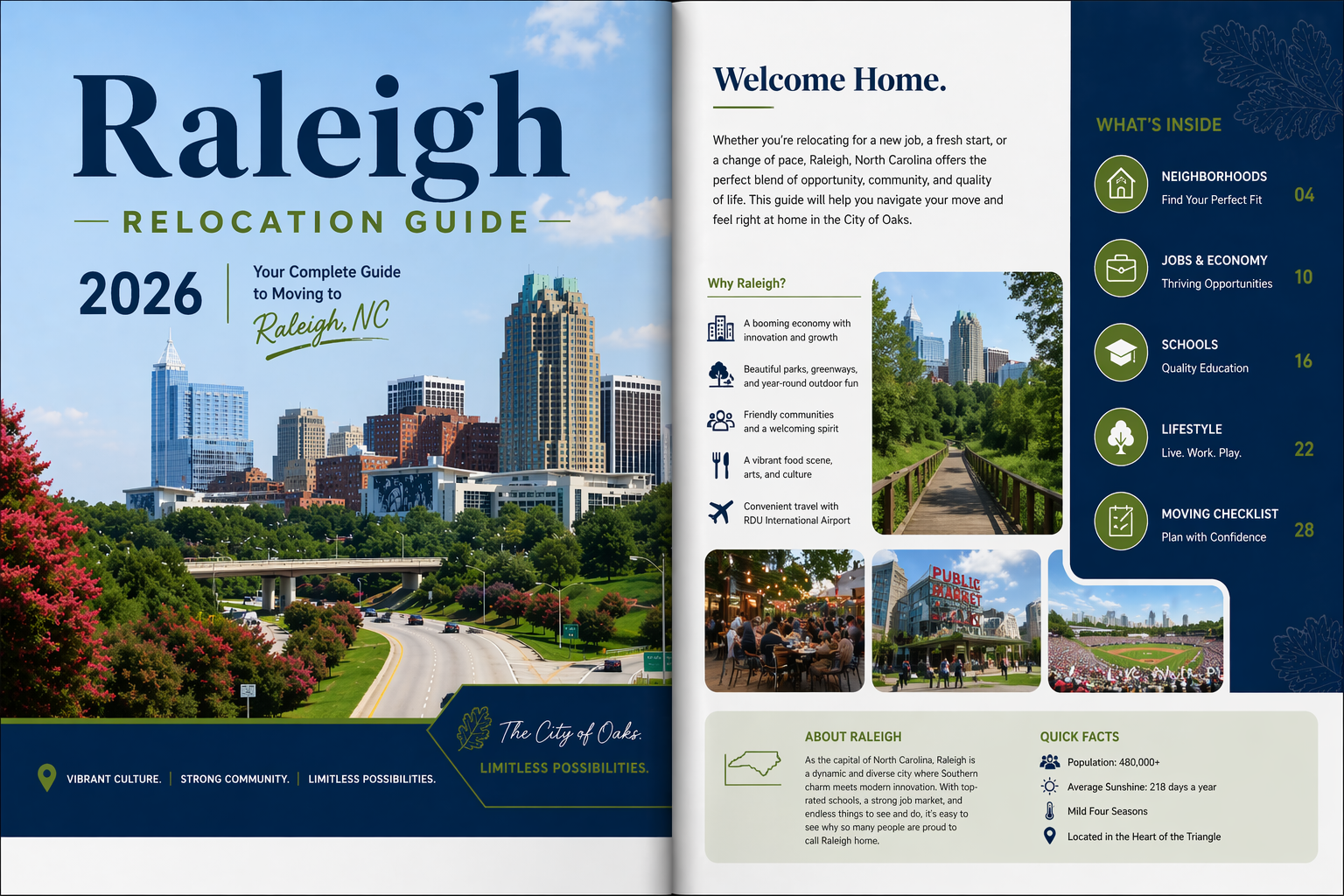
What's Inside This Guide
The Foundations
Lifestyle & Commutes
Raleigh, NC Real Estate Market Snapshot (2026)
| Metric | Value (2026) |
|---|---|
| Median Home Price | ~$445,000 |
| Price per Sq Ft | ~$245 |
| Avg Days on Market | 45-60 days |
| Median Rent | ~$1,850/mo |
| Year-over-Year Price Change | +3.2% |
| Active Inventory | ~2,800 homes |
| Sale-to-List Price Ratio | ~98.5% |
| New Listings (Monthly) | ~1,900 |
| Population (Raleigh city) | ~514,000 |
| Median Household Income | ~$89,000 |
Sources: Zillow, Redfin, Homes.com, Wake County Tax Administration | Last updated August 2026
Raleigh's housing market continues to show strength in 2026, with a median home price of approximately $445,000 and year-over-year appreciation of 3.2%. Active inventory sits at roughly 2,800 homes, giving buyers more selection than recent years while still maintaining a competitive market with a sale-to-list price ratio near 98.5%. Homes are moving in approximately 28 days on average - faster than many comparable Southeast metros - reflecting the sustained demand from relocation buyers and a local employment base that continues to grow. The rental market supports the ownership thesis at a median of $1,850 per month, while a median household income of approximately $89,000 keeps the affordability equation favorable relative to the coastal metros buyers are leaving.

Phil's Perspective
"I relocated to the Triangle from Connecticut over 20 years ago, and I still remember what it felt like to research a market from the outside. That experience shapes everything we build - honest data, real trade-offs, and the kind of local insight you won't find in a generic listing portal."
Raleigh, NC Homes for Sale - Search Current Listings
Updated daily from Wake County MLS. No login required.
Search Raleigh ListingsRaleigh Neighborhoods - Finding Your Right Fit
Raleigh's neighborhoods range from walkable historic urban districts to established suburban corridors to fast-growing mixed-use development zones - and the right neighborhood depends entirely on your lifestyle priorities, commute destination, and budget. Here is an honest overview of the primary areas buyers evaluate when considering Raleigh proper versus the surrounding Triangle suburbs.
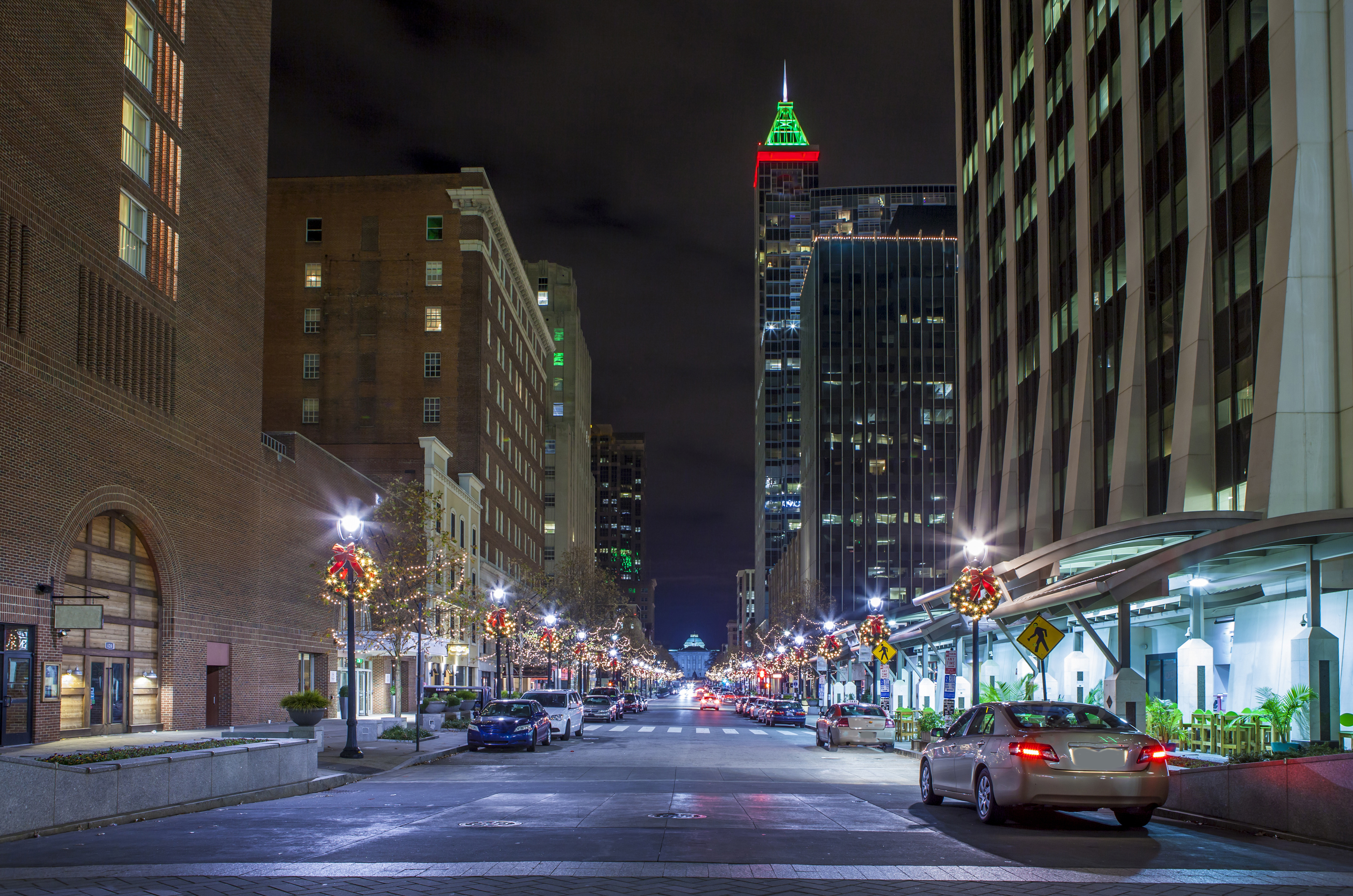
Downtown Raleigh
Urban core - dining, arts, and walkability
Price Range: $400,000-$1M+ (condos from mid-$300s)
Best For: Buyers who want walkable access to Raleigh's restaurant and arts scene, proximity to state government and downtown employers, and an urban lifestyle without coastal city prices
Honest Note
Downtown Raleigh condos offer the most affordable entry into a walkable urban lifestyle in the market. Single-family options within walking distance of downtown are limited and price at a significant premium. Parking and urban density are genuine trade-offs for buyers coming from suburban markets.
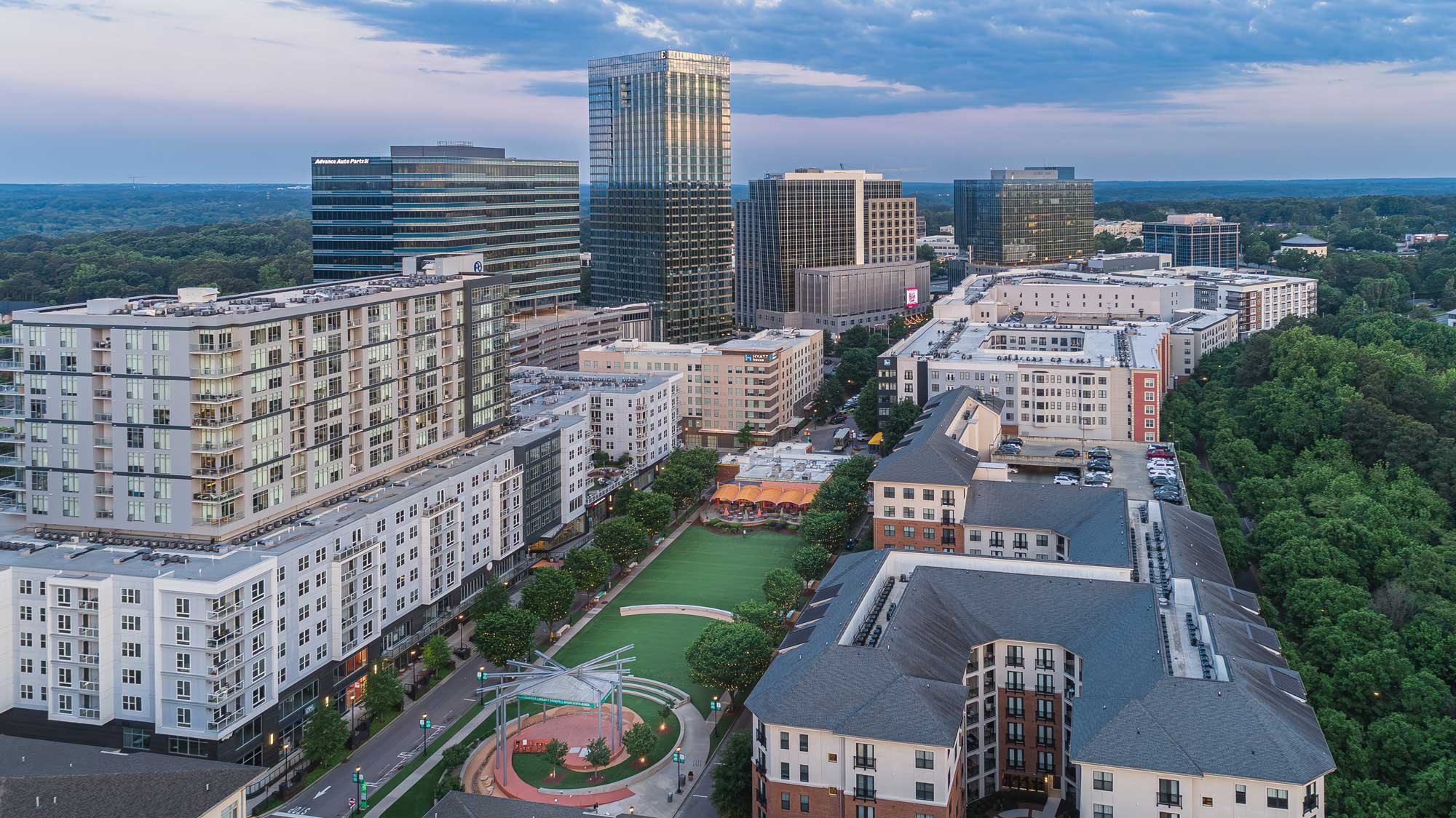
North Hills / Midtown
Upscale urban-suburban hybrid - Raleigh's fastest-evolving corridor
Price Range: $600,000-$1.5M+
Best For: Buyers who want a premium urban-suburban lifestyle, proximity to the North Hills mixed-use district, and easy access to both I-440 and downtown Raleigh without a suburban commute
Honest Note
North Hills has undergone significant transformation and now delivers one of the most complete urban-suburban lifestyle packages in the Triangle. Prices reflect demand - this corridor commands a significant premium over most other Raleigh neighborhoods.
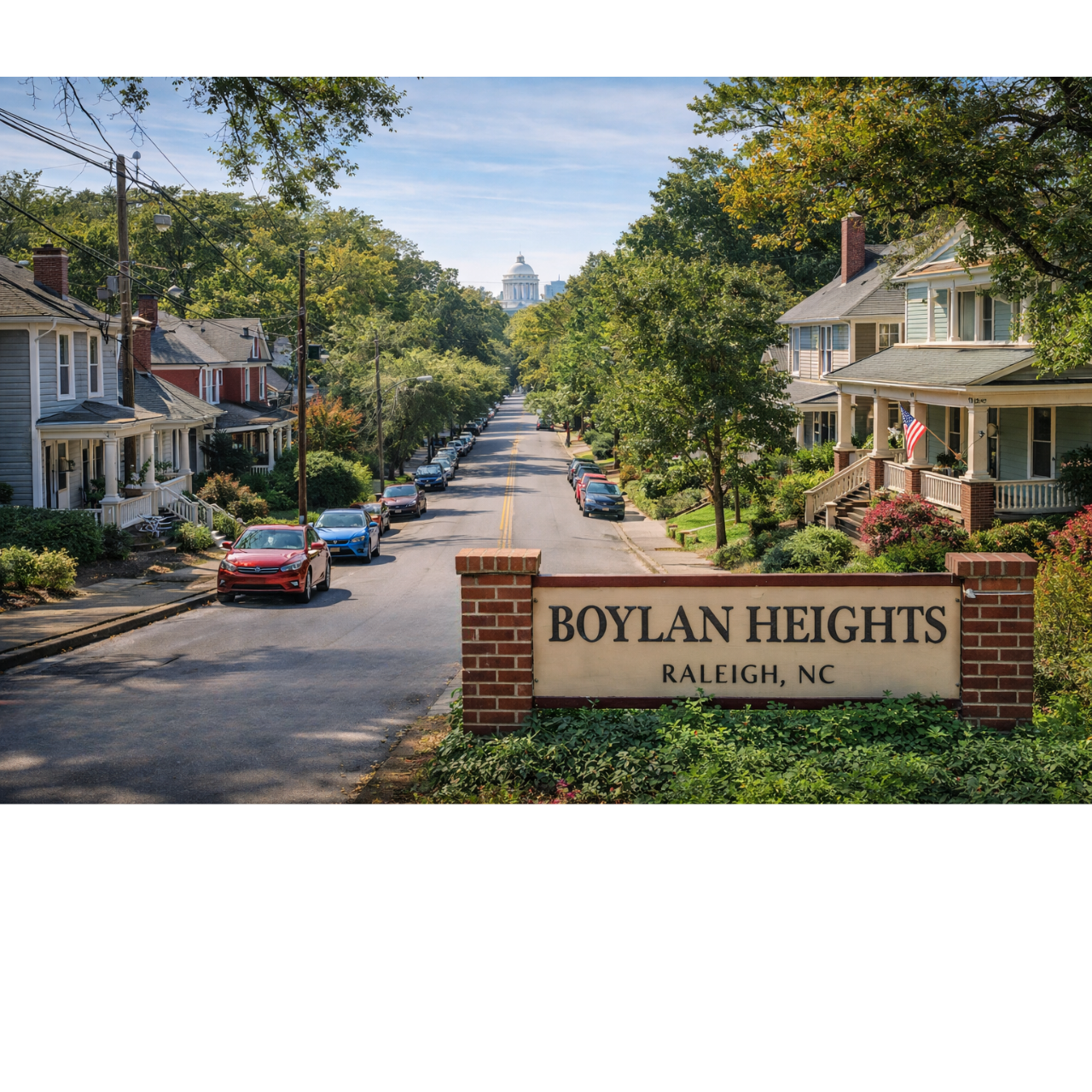
Five Points / Boylan Heights / Historic
Historic charm - bungalows, porches, and genuine community character
Price Range: $450,000-$900,000+
Best For: Buyers who want established historic neighborhood character, walkable access to local restaurants and coffee shops, and the authentic urban feel that newer developments are still trying to manufacture
Honest Note
These corridors are largely built out - inventory is tight and well-priced homes move quickly. The character is genuine but so are the age-typical maintenance realities of homes built in the early to mid-20th century.
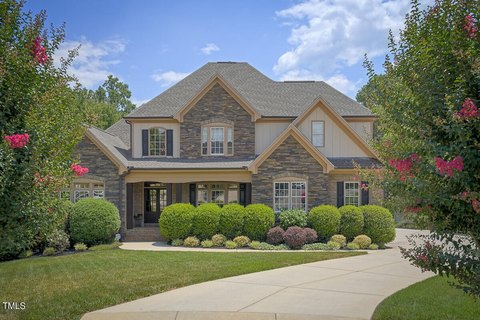
North Raleigh
Established suburban - mature infrastructure and strong school access
Price Range: $450,000-$900,000+
Best For: Buyers who want established suburban neighborhoods, mature tree canopy, proximity to I-540 and I-440, and a more traditional single-family residential experience within Raleigh city limits
Honest Note
North Raleigh offers good value per square foot relative to Midtown and delivers the most traditional suburban experience within the city. Traffic on Falls of Neuse Road and Six Forks Road during peak hours is a genuine daily reality - drive your specific route before committing.
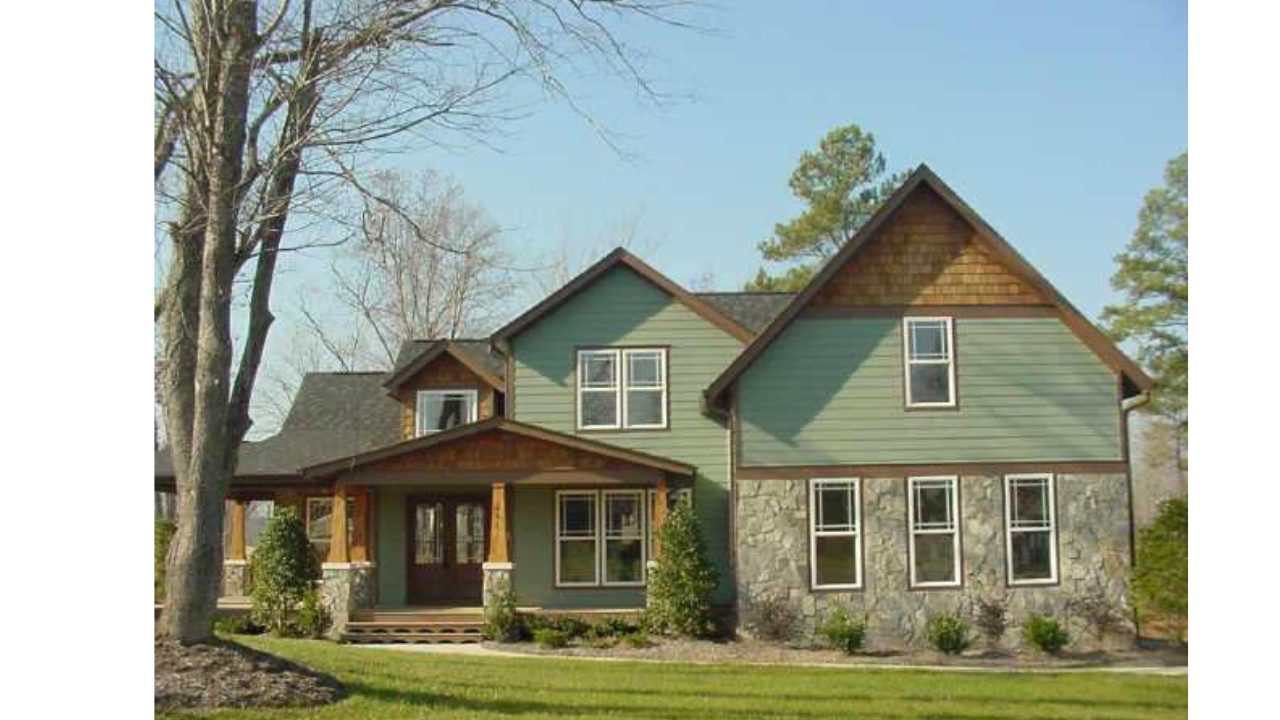
South Raleigh / Garner Border
Value corridor - price-per-square-foot advantage south of downtown
Price Range: $300,000-$550,000
Best For: Buyers who need maximum home per dollar within Raleigh city limits, and whose employment is in downtown Raleigh or east Raleigh rather than RTP
Honest Note
South Raleigh and the Garner border corridor offer the strongest price-per-square-foot in Wake County for buyers who prioritize budget. Neighborhood quality and school assignments vary significantly by specific address - research each block individually.
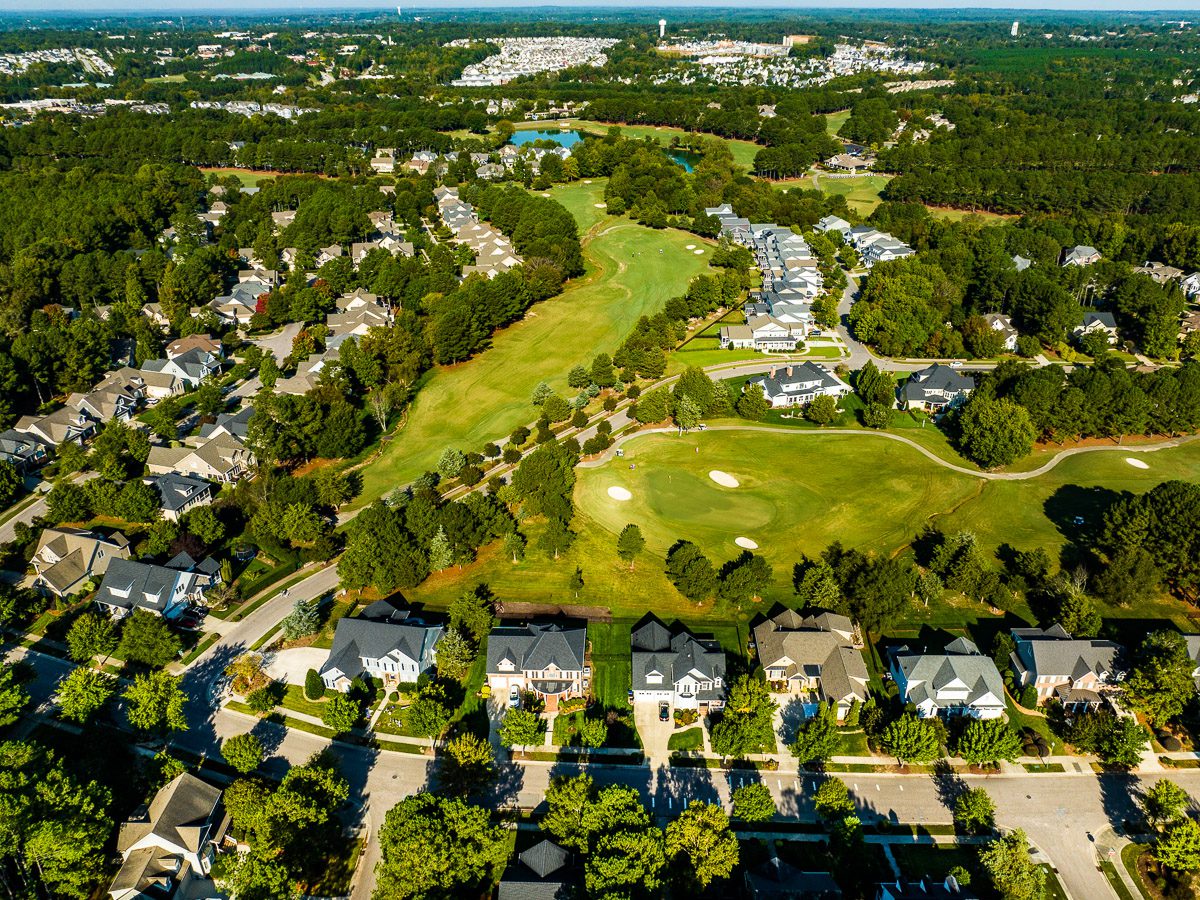
Wake Forest Road / I-540 Corridor
Growth corridor - new development mixing with established suburban neighborhoods
Price Range: $400,000-$750,000
Best For: Buyers who want newer construction options within Raleigh city limits and easy I-540 access to both RTP and the eastern Triangle
Honest Note
This corridor is actively evolving and offers some of the best new construction value within Raleigh city limits. Traffic and infrastructure are still catching up to residential growth in some areas.
Cost of Living in Raleigh, NC (2026)
Understanding what Raleigh actually costs requires looking beyond the home price. North Carolina's tax structure is one of the most competitive in the Southeast for relocating buyers - particularly those coming from high-tax states like New York, California, New Jersey, and Massachusetts.
Property Taxes (FY2026)
Wake County Rate: $0.5171 per $100 · City of Raleigh: $0.3550 per $100 · Combined: $0.8721 per $100
| Home Value | Annual Tax Bill | Monthly Equivalent |
|---|---|---|
| $350,000 | $3,052 | ~$254/mo |
| $445,000 Median ⭐ | $3,881 | ~$323/mo |
| $550,000 | $4,797 | ~$400/mo |
| $750,000 | $6,541 | ~$545/mo |
| $1,000,000 | $8,721 | ~$727/mo |
⚠️ Wake County recently approved a tax rate increase to $0.5371 per $100 for FY2026-2027, effective July 2026. Verify current rates at wakegov.com before closing.
North Carolina Tax Advantages
- NC State Income Tax: 3.99% flat rate in 2026 - down from 5.25% in 2021 and heading to 3.49% in 2027 under current law
- No Local Income Tax: Anywhere in North Carolina
- No NC Tax on Social Security Income
- Sales Tax: 7.25% combined state and Wake County rate
For buyers relocating from New York (up to 10.9% state income tax), California (up to 13.3%), or New Jersey (up to 10.75%) - North Carolina's flat 3.99% rate is one of the most significant quality-of-life financial improvements that doesn't show up in any real estate listing.
Monthly Cost Breakdown - $445,000 Median Home
Based on 20% down payment (~$356K mortgage at ~6.5%, 30-year fixed)
| Expense | Monthly |
|---|---|
| Mortgage (20% down, 6.5% rate, 30yr) | ~$2,250/mo |
| Property Taxes | ~$325/mo |
| Homeowner's Insurance | ~$150/mo |
| Total Housing Cost | ~$2,725/mo |
Cost of Living vs. Cities Buyers Are Leaving
| City | Median Home Price | Income Needed to Buy |
|---|---|---|
| San Francisco, CA | ~$1,300,000 | ~$320,000+/yr |
| New York City, NY | ~$780,000 | ~$190,000+/yr |
| Washington, DC | ~$650,000 | ~$160,000+/yr |
| Boston, MA | ~$700,000 | ~$170,000+/yr |
| Austin, TX | ~$525,000 | ~$130,000+/yr |
| Raleigh, NC ⭐ | ~$445,000 | ~$105,000-$120,000/yr |
NC Due Diligence Process Note
If you are relocating from out of state, the NC Due Diligence Fee is the biggest culture shock in the purchase process. Unlike earnest money, this payment goes directly to the seller at contract and is non-refundable under most circumstances. For Raleigh homes, due diligence fees typically run 0.5%-1% of the purchase price. This is not a scam - it is standard NC real estate practice. Your agent should walk you through this before you make your first offer.
Phil's Perspective
"I moved here from Connecticut, and the tax savings alone were transformative. But the real financial story is the total cost of living - what you pay for housing, taxes, insurance, groceries, and entertainment combined. Raleigh delivers a complete lifestyle at a total monthly cost that most coastal metro buyers find genuinely surprising. The numbers don't lie - but they also don't tell you which specific neighborhood or suburb is the right fit for your commute and lifestyle. That's the part I help with."
Where Raleigh Is Located & What the Commute Looks Like
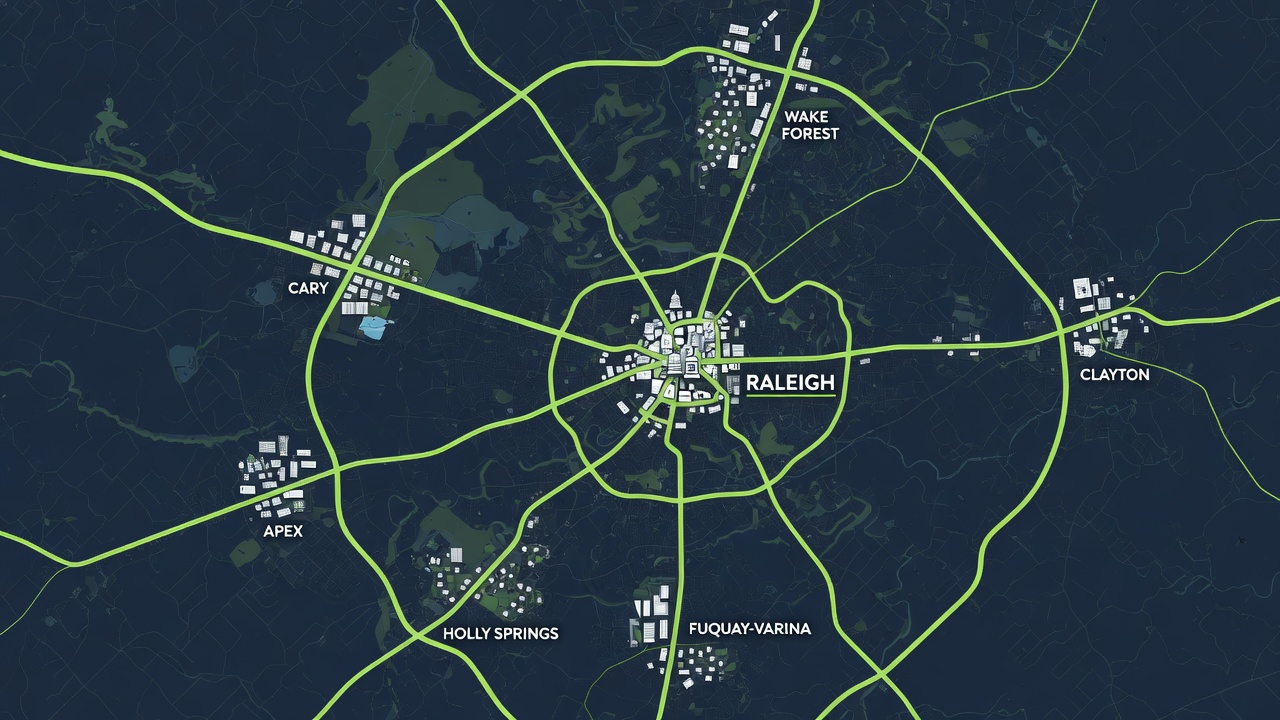
Raleigh is not just the geographic center of the Research Triangle - it is the hub that everything else in this market radiates out from. Research Triangle Park sits 15-20 miles to the west. Durham is to the northwest. Chapel Hill is to the southwest. And as the state capital, downtown Raleigh anchors one of the largest government employment corridors in the Southeast - tens of thousands of workers across the downtown core and the Dorothea Dix campus alone.
What that position means practically for buyers is route flexibility that no other single Wake County address can match. I-40, I-440, I-540, and US-1 run outward from the city in every direction. If your job moves, if your spouse's office changes, if the Triangle shifts around you the way it has shifted around everyone here over the past 20 years - a Raleigh address keeps working. That kind of geographic optionality has real financial value that does not show up in a price-per-square-foot comparison. It shows up in the fact that you never have to move because your commute broke.
The honest caveat: Raleigh's highway access is not equal across all neighborhoods. I-40 between downtown and RTP carries real peak-hour weight. The I-440 Beltline has its own pressure points. Drive your specific route at 7:45 AM on a Tuesday before you commit to any neighborhood - not Google Maps at noon on a Sunday. The address matters less than the corridor.
| Destination | Distance | Off-Peak Drive | Peak-Hour Note |
|---|---|---|---|
| Downtown Durham | ~25-30 miles | 25-35 min | 35-45 min peak via I-40 West |
| Research Triangle Park (RTP) | ~15-20 miles | 18-25 min | 25-35 min peak via I-40 East |
| Downtown Cary | ~10-12 miles | 12-18 min | 18-25 min peak via US-1 South |
| Chapel Hill / UNC | ~30-35 miles | 30-40 min | 40-50 min peak via I-40 West |
| RDU International Airport | ~15-20 miles | 15-22 min | 22-30 min peak via I-40 |
| Apex | ~12-15 miles | 15-20 min | 20-28 min peak via US-1 South |
| Fuquay-Varina | ~15-18 miles | 18-25 min | 25-32 min peak via US-1 South |
Peak-Hour Reality Note
I-40 - especially the I-40/I-440 interchange - and the US-1 corridor experience the heaviest congestion during morning rush (7:00-9:00 AM) and evening rush (4:00-6:30 PM). If you commute toward RTP or Durham from east or south Raleigh, the I-40 westbound corridor is the primary bottleneck. I-540 helps bypass the worst of it for northern Raleigh commuters heading to RTP or Wake Forest, offering a toll-road alternative that shaves meaningful time during peak hours. The I-440 Beltline carries its own peak delays at the Glenwood Avenue and Wade Avenue interchanges - plan your specific commute route before committing to a neighborhood.
Schools in Raleigh, NC - What Buyers Need to Know
Raleigh is served by Wake County Public Schools - the largest school district in North Carolina and consistently ranked among the top public school systems in the Southeast. With over 180 elementary schools, 75 middle schools, and 52 high schools across the county, WCPSS gives Raleigh residents access to one of the strongest public education systems in the South at no premium beyond the property tax rate every Wake County homeowner already pays.
The most important thing every Raleigh buyer must understand - especially buyers relocating from states where proximity to a school building reliably predicts assignment - is that school assignments in Wake County are address-specific and subject to annual boundary adjustments. Proximity to a school does not guarantee assignment. Use the WCPSS Address Lookup Tool at wcpss.net for every address you are seriously considering before making an offer.
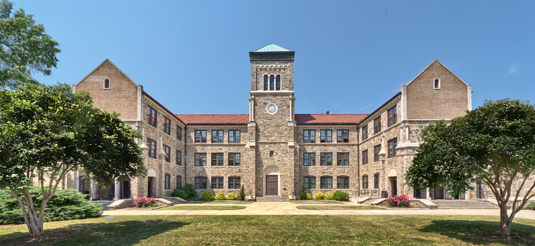
Historic Broughton High School in Midtown Raleigh - a premier example of the architectural prestige and deep academic traditions found throughout the Wake County Public School System.
Public High Schools
Athens Drive High School
Southwest Raleigh, strong arts and academics programs
Broughton High School
Midtown/Five Points corridor, strong academic and athletic tradition
Leesville Road High School
North Raleigh/I-540 corridor, established suburban campus
Sanderson High School
North Raleigh established corridor, strong community
Wake Forest Rolesville High School
Northern Wake County, growing and well-regarded
Millbrook High School
North Raleigh corridor, diverse student body and programs
Charter Options
Research Triangle High School
STEM-focused public charter, lottery admission
Private Schools
Thales Academy
Classical private education, multiple Triangle locations
Cardinal Gibbons High School
Catholic private, strong academics and athletics
Ravenscroft School
Premier private K-12, North Raleigh
Verify all school assignments directly with WCPSS at wcpss.net before making any purchase decision based on a specific school.
Parks & Outdoor Living in Raleigh, NC
Raleigh's greenway system is the most underrated quality-of-life asset in the city for buyers relocating from coastal metros. Over 140 miles of connected greenway trails run through the city - linking neighborhoods, parks, and the Neuse River corridor in a way that allows residents to commute by bike, walk to adjacent neighborhoods, and access nature without leaving city limits. For active buyers who assumed they were giving up outdoor access by choosing a mid-sized Southern city over a coastal market, Raleigh's greenway infrastructure consistently delivers the biggest quality-of-life surprise of the relocation.
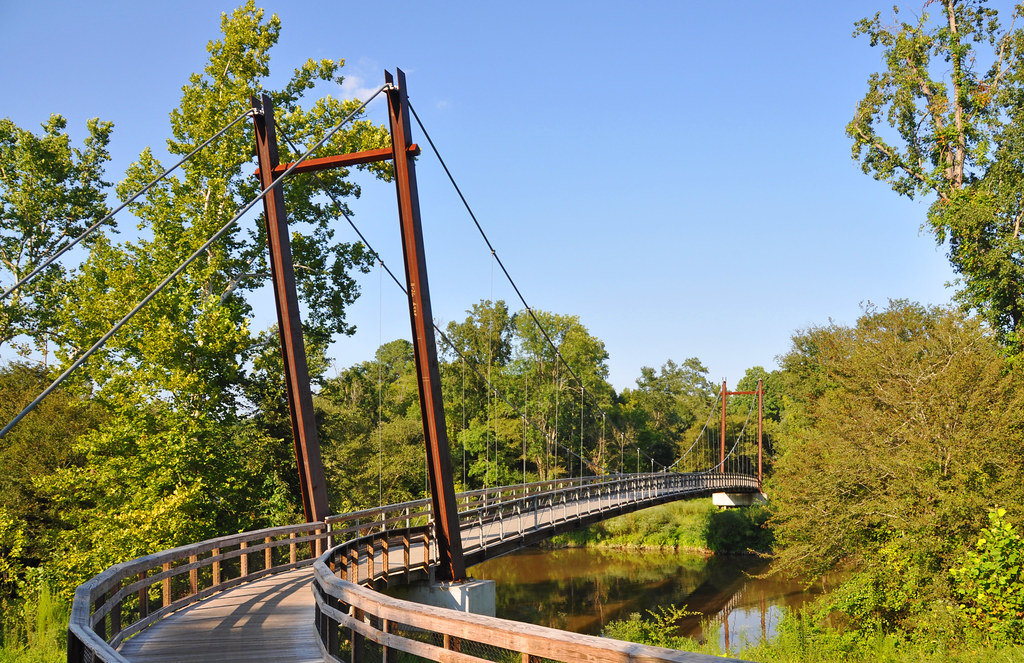
William B. Umstead State Park
5,000+ acres of forest, trails, and fishing immediately adjacent to the RTP corridor. One of the most accessible urban-adjacent state parks in the Southeast.
Pullen Park
Raleigh's oldest park, adjacent to NC State's campus. Pedal boats, carousel, tennis, and community events.
Lake Johnson
A 150-acre reservoir with a 3-mile loop trail, kayak and canoe rentals, and fishing access in southwest Raleigh.
Shelley Lake / Sertoma Arts Center
North Raleigh's outdoor anchor - a scenic lake loop, arts programming, and greenway access.
Neuse River Greenway Trail
A 28-mile off-road multi-use trail running northeast from downtown Raleigh along the Neuse River.
Falls Lake State Recreation Area
30 minutes north of downtown, 12,000 acres of reservoir with boating, swimming, fishing, camping, and 26 miles of hiking trails.
Dining & Entertainment in Raleigh, NC
Raleigh's dining and entertainment scene has quietly become one of the most impressive in the Southeast for a city its size - and buyers relocating from coastal metros consistently rate it as the biggest quality-of-life surprise of the move. The combination of NC State's 36,000-student campus energy, a growing downtown arts corridor, and an influx of culinary talent drawn by lower real estate costs and a growing customer base has produced a dining scene that genuinely rivals cities twice Raleigh's size.
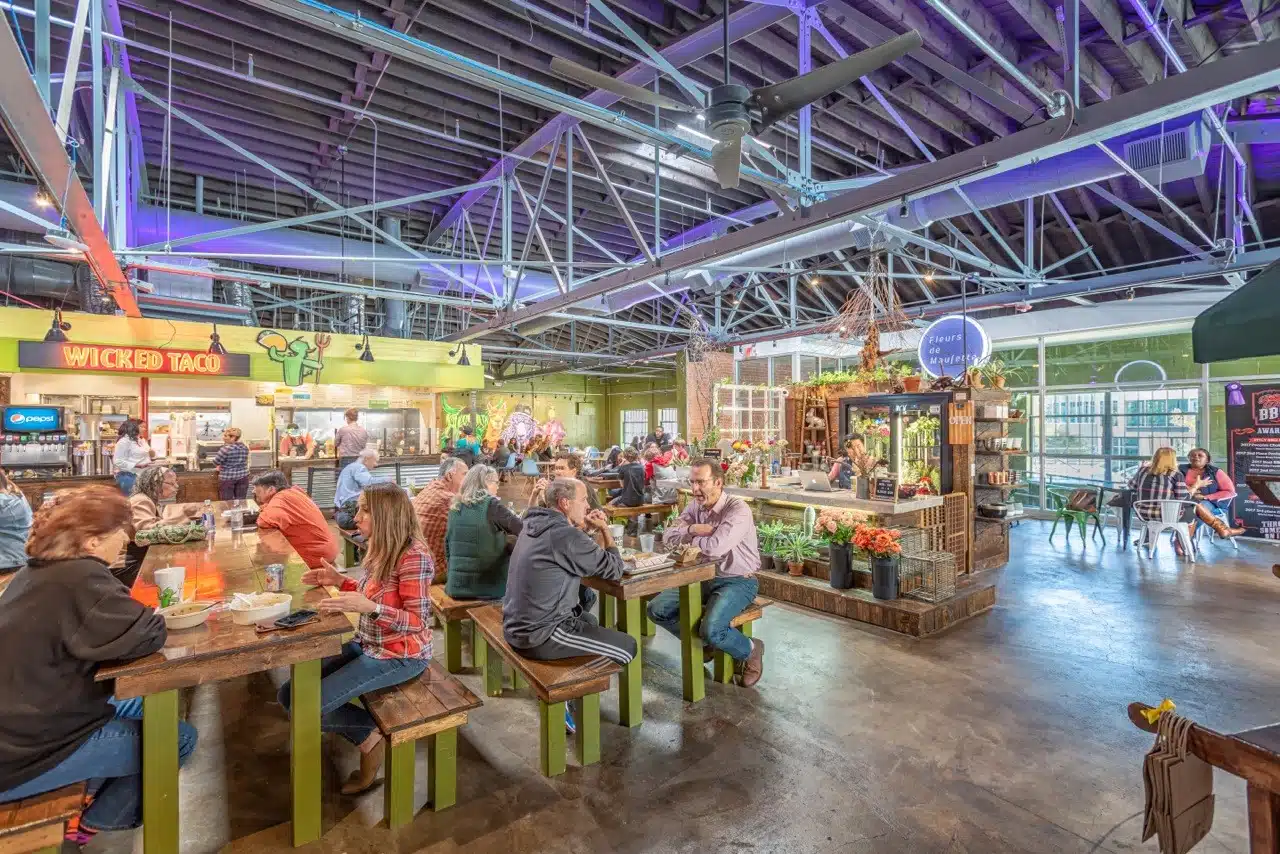
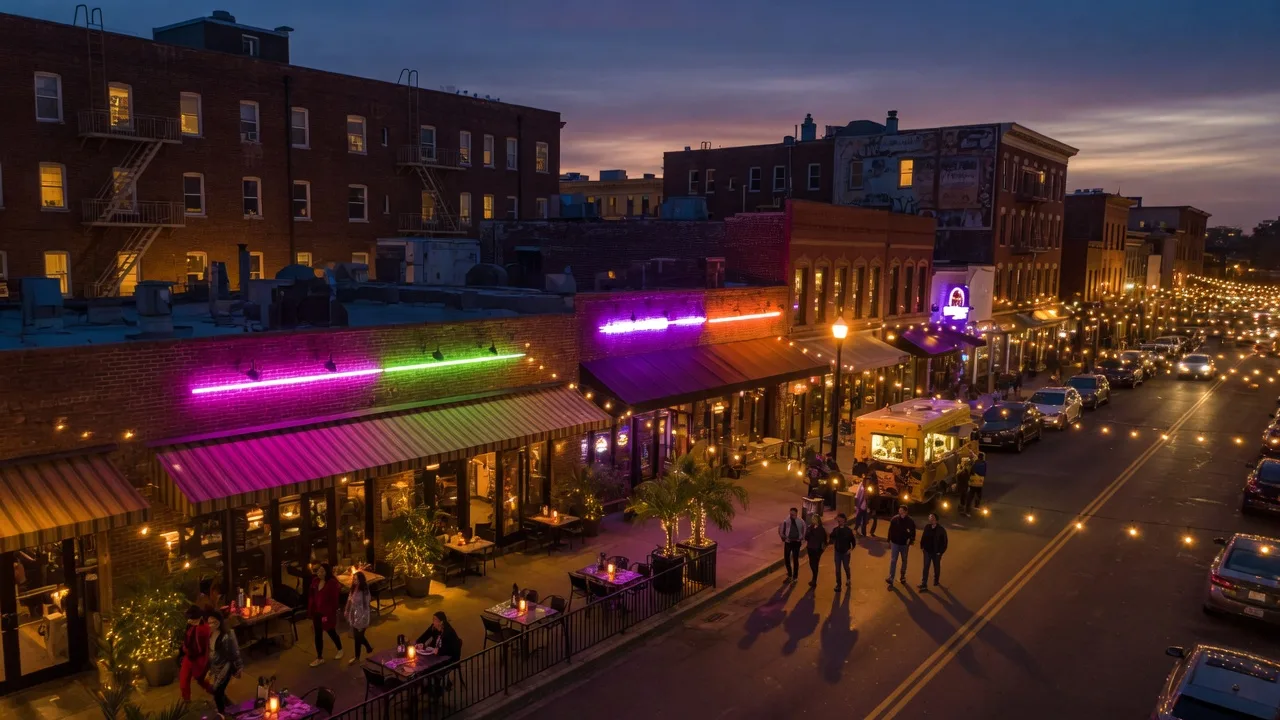
Downtown & Glenwood South
The primary nightlife and dining corridor - spanning Glenwood Avenue from downtown through the Glenwood South district. The concentration of craft cocktail bars, chef-driven restaurants, and live music venues in this corridor delivers an urban evening experience that consistently surprises buyers who came expecting a second-tier Southern city. Morgan Street Food Hall, Raleigh Beer Garden, and the flourishing Boylan Bridge Brewpub area anchor the south end while Glenwood South delivers upscale dining and nightlife north of downtown.
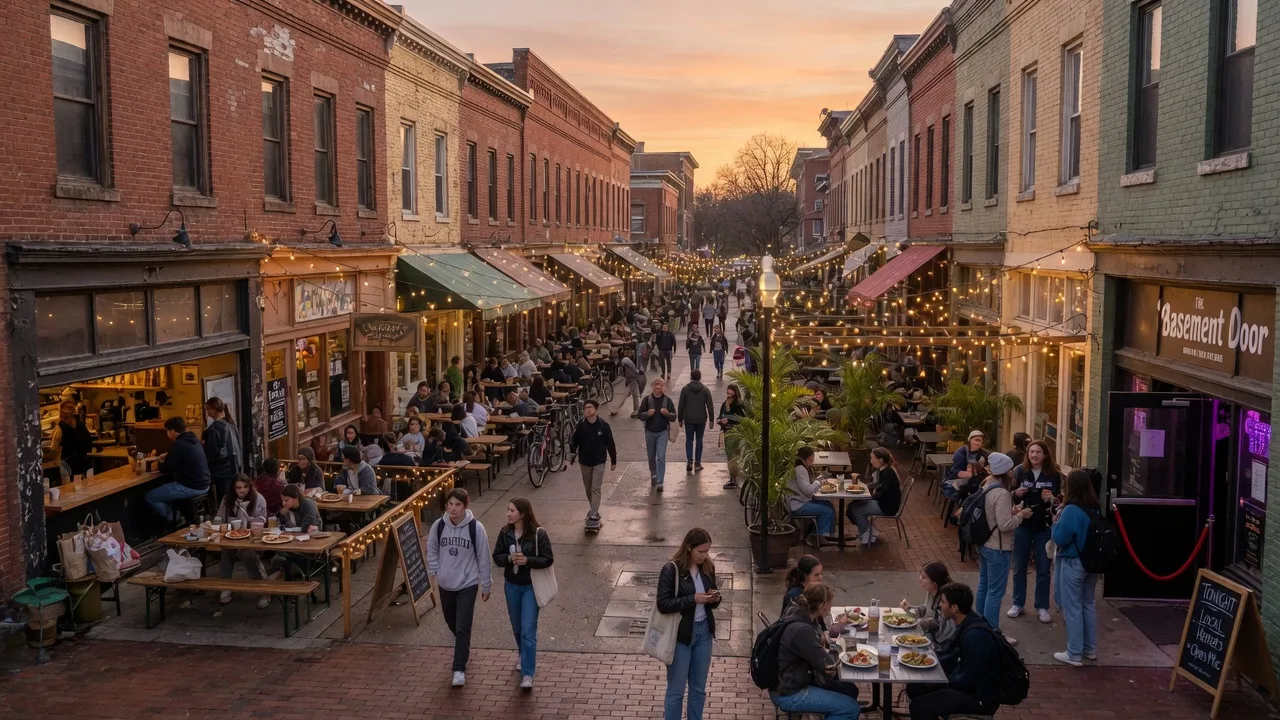
Hillsborough Street
NC State's main corridor - a dense strip of independent restaurants, coffee shops, and live music venues that reflects the university's influence on Raleigh's cultural identity. Player's Retreat, one of Raleigh's oldest and most beloved neighborhood bars, anchors the eastern end. The energy here is younger and more casual than downtown - and consistently delivers on the kind of neighborhood authenticity that developers in other markets spend millions trying to replicate.
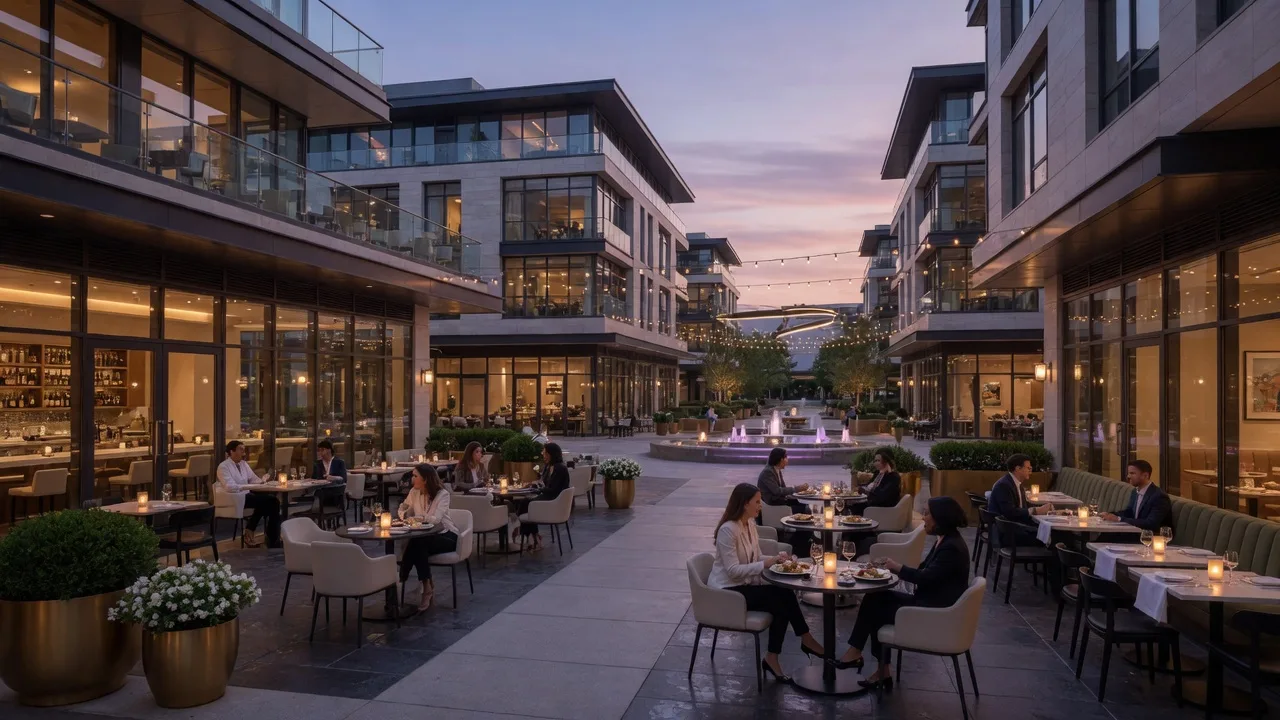
North Hills / Midtown
The upscale dining hub for North Raleigh residents - anchored by the North Hills mixed-use development with chef-driven concepts, national brands, and an increasingly competitive cocktail bar scene serving the high-income professional corridor north of I-440.
The Arts Scene
The North Carolina Museum of Art, Carolina Ballet, North Carolina Symphony, and Raleigh Little Theatre anchor a cultural infrastructure that gives Raleigh an arts identity well beyond what most mid-sized Southern cities deliver. The NC Museum of Art's outdoor amphitheater - one of the most beautiful outdoor concert venues in the Southeast - hosts a programming calendar that draws Triangle residents from all 22 suburbs on summer evenings.
Why Are So Many People Moving to Raleigh, NC in 2026?
The Raleigh metro area was the 10th fastest-growing metro in the United States between July 2024 and July 2025, growing 2.4% to nearly 1.6 million people. That is not a coincidence or a pandemic-era anomaly - it is the compounding result of five sustained advantages that no other mid-sized American city can currently match simultaneously.
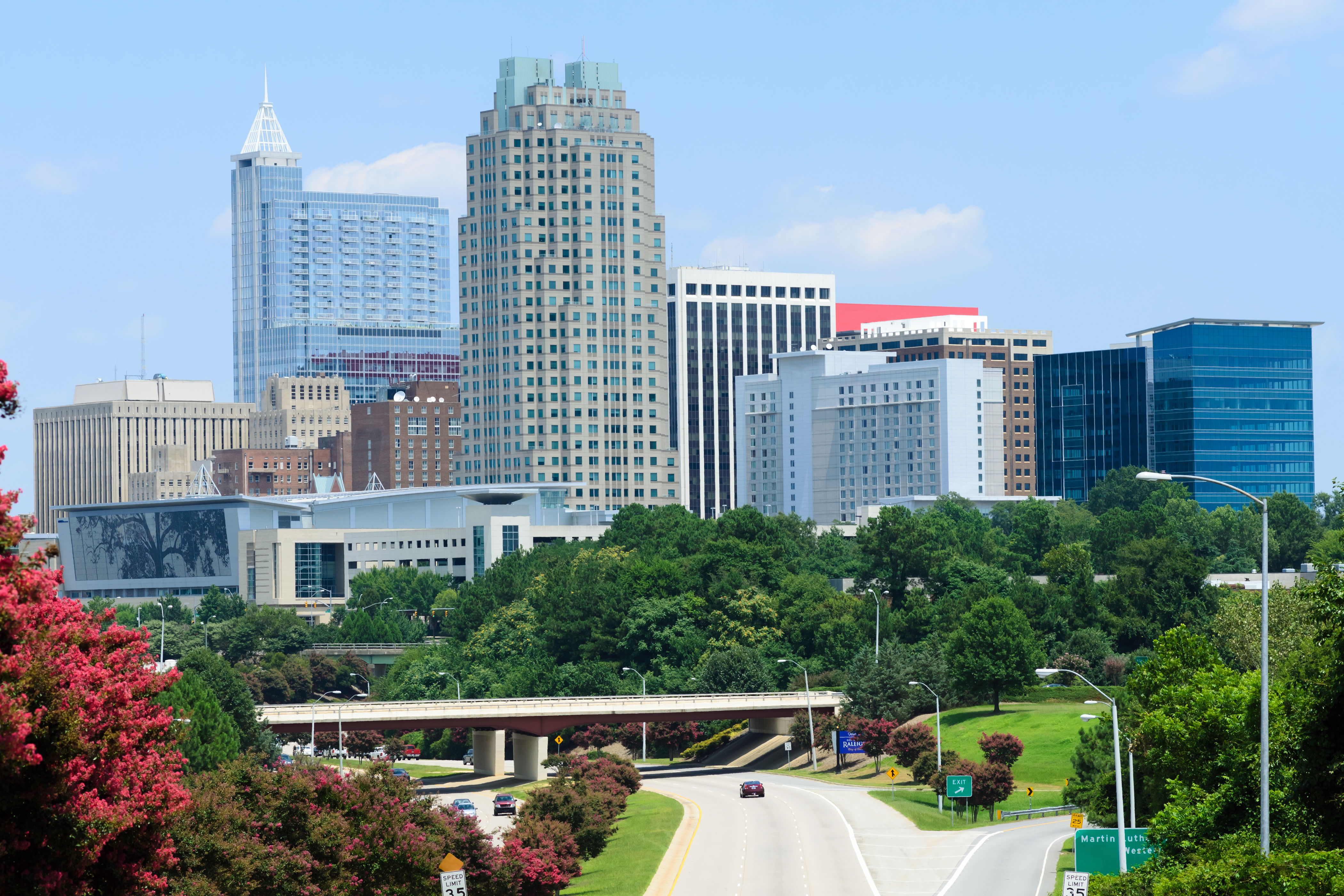
Research Triangle Park sits within 15-25 minutes of most Raleigh neighborhoods and remains one of the largest research and technology employment corridors in the world, with anchor employers including IBM, Cisco, SAS, Biogen, and hundreds of biotechnology and life sciences firms. But the employment story in 2026 goes beyond RTP. Apple's $1 billion campus in Research Triangle is actively hiring. Downtown Raleigh's state government corridor employs tens of thousands in stable, recession-resistant roles. And the emerging healthcare and life sciences clusters in Holly Springs and Apex are beginning to create employment diversity that reduces the city's historical dependence on any single sector.
At a median of approximately $445,000, Raleigh remains meaningfully more affordable than every comparable-quality metro on the East Coast. A dual-income household earning $150,000 per year that is stretched thin in Washington DC is comfortably positioned in Raleigh - owning a home near a vibrant dining corridor, saving aggressively, and paying a flat 3.99% state income tax rather than DC's graduated rate that reaches 10.75%. That gap is what drives the sustained in-migration wave from Northern Virginia, New York, and Boston that shows no sign of slowing.
Having NC State, Duke, and UNC Chapel Hill within 35 minutes of each other creates a talent pipeline, research infrastructure, and cultural energy that cannot be replicated in markets without it. For employers, that pipeline drives location decisions. For residents, it drives the restaurant quality, arts programming, sporting events, and intellectual community character that defines Raleigh's identity. No Sun Belt competitor can manufacture what the Research Triangle's three-university concentration delivers.
William B. Umstead State Park sits adjacent to RTP. Falls Lake is 30 minutes north. Jordan Lake is 30 minutes west. 140+ miles of city greenways connect neighborhoods across the metro. Lake Johnson offers weekday paddling. The Blue Ridge Mountains are three and a half hours west and the NC coast two hours south. For buyers relocating from coastal cities who assumed they were giving up access to nature - the Triangle's outdoor infrastructure consistently delivers the most positive quality-of-life surprise of the relocation.
This is the most important point - and the one buyers most frequently miss when they are still in research mode. Raleigh's quality of life infrastructure is not a rendering. The greenways are built. The parks are open. The dining scene is mature. The arts institutions are operating. The hospitals are staffed. The schools are funded. Buyers coming from markets where quality of life is still a decade away from delivery tend to understand this immediately when they spend a weekend in Raleigh rather than reading about it.
Honest Pros & Cons of Living in Raleigh, NC (2026)
The Pros
- 1.Price relative to comparable coastal metros - $445,000 median delivers a quality of life that costs $700,000-$1.3M in Northern Virginia, Boston, or the Bay Area
- 2.Employment diversity - RTP, state government, NC State, and a growing healthcare and life sciences corridor that is less cyclical than pure tech markets
- 3.NC tax structure - 3.99% flat income tax, no tax on Social Security, heading to 3.49% in 2027
- 4.University ecosystem - NC State, Duke, and UNC Chapel Hill within 35 minutes create talent, culture, and community that money cannot manufacture
- 5.Greenway infrastructure - 140+ miles of connected trails already built and actively maintained
- 6.Dining and arts scene - consistently surprises buyers who expected a second-tier Southern city experience
- 7.22 suburbs within 45 minutes - if Raleigh proper doesn't fit, the Triangle offers 22 distinct suburban markets at every price point and lifestyle
- 8.Access to nature - Umstead State Park, Falls Lake, Jordan Lake, the coast, and the mountains all within reasonable driving distance
The Honest Trade-offs
- 1.Traffic is real and getting worse - I-40 between downtown and RTP during peak hours is a genuine daily reality. Drive your specific commute route at 7:45 AM on a Tuesday before committing to any neighborhood.
- 2.School assignment complexity - WCPSS assignments are address-specific and change annually. Proximity to a school does not guarantee assignment. Verify at wcpss.net for every address.
- 3.Urban density is still developing - buyers expecting the walkability of a coastal city will find Raleigh more car-dependent than they anticipated outside of a few specific corridors
- 4.Summer heat and humidity - North Carolina summers run hot and humid from June through September. This matters more than most buyers from the Northeast anticipate
- 5.Property tax increase coming - Wake County approved a rate increase to $0.5371 per $100 for FY2026-2027 effective July 2026. Factor the updated rate into your monthly carrying cost calculation
Phil's Perspective
"I don't believe in selling you on a city - I believe in making sure you understand exactly what you're getting into. Raleigh is an outstanding relocation market, but it has real trade-offs. The I-40 commute is real. The school assignment complexity catches people off guard. The summer humidity is no joke. And if you're coming from somewhere with great public transit, you need to know this is a car-dependent market. The buyers who thrive here are the ones who go in with clear eyes. That's what this section is for."
What Salary Do You Need to Live in Raleigh, NC (2026)?
Quick Answer: To comfortably purchase a median-priced home in Raleigh (approximately $445,000) with a 20% down payment, most financial advisors recommend a household income of approximately $105,000-$120,000 per year. With a 10% down payment, that range rises to approximately $115,000-$135,000. For buyers relocating from high-cost metros, the value equation is immediate. The same dual-income household that needs $190,000 to comfortably buy in New York needs approximately $110,000 to comfortably buy in Raleigh - and arrives in a market with a flat 3.99% state income tax rather than New York's graduated rate reaching 10.9%.
Phil's Perspective on Raleigh
"I moved to the Triangle from Connecticut over 20 years ago - and I remember exactly what it felt like to research this market from the outside. Everything looked good on paper but nobody was giving me the straight answers I needed to actually make a confident decision. That is why this site exists.
Raleigh in 2026 is one of the most compelling relocation markets in the country - but it is not for everyone and it is not perfect. The traffic on I-40 is real. The school assignment complexity is real. The summer humidity is real. And the price, while low by coastal standards, has moved meaningfully in the last five years.
What is also real: the employment base, the university ecosystem, the dining scene that keeps surprising people, the greenways, the outdoor access, and the fact that you can own a home near a historic neighborhood and a world-class research park for $445,000.
I have watched buyers from New York, DC, California, and Connecticut walk through this market and have the same realization - that the life they were working toward in their expensive city is available here right now, without waiting another decade for the prices to come down. My job is to make sure you understand exactly what you are buying - the good and the honest trade-offs - before you sign anything."
- Phil Slezak | Real Estate Broker | LPT Realty | 20+ Years in the Triangle
Future Growth & Development
Raleigh is not just growing - it is being strategically built for the future. The city and state are investing billions in infrastructure, transit, and economic development that will shape the Triangle for decades.
Major Projects Underway
- The Raleigh Union Station expansion is transforming the downtown rail corridor into a full transit-oriented district with mixed-use development, pedestrian connectivity, and regional Amtrak access.
- The New Bern Avenue BRT (Bus Rapid Transit) corridor is Raleigh's first major transit investment, creating a high-frequency transit spine from downtown eastward with new development zones along the route.
- Downtown Raleigh's Warehouse District continues to attract tech offices, breweries, and creative workspace, solidifying its reputation as an innovation hub.
- Apple's RTP campus, Epic Games' Cary headquarters, and Toyota's battery manufacturing facility in Liberty are anchoring a new wave of high-paying jobs across the Triangle.
Demographic & Economic Outlook
- The Raleigh-Cary MSA has been one of the fastest-growing metros in the U.S. for over a decade, with no signs of slowing.
- Population projections from the NC Office of State Budget and Management suggest Wake County alone could surpass 1.5 million residents by 2040.
- Raleigh's young, educated workforce - fueled by NC State, Duke, UNC, and a pipeline of relocating professionals - keeps the talent pool deep and the economy competitive.
- The city's diversified economy (tech, biotech, healthcare, education, government) provides stability even during national downturns.
What This Means for Homebuyers
- Early buyers in emerging corridors - east Raleigh, southeast Raleigh, and parts of Wake County near new transit stops - stand to benefit most from appreciation as infrastructure catches up.
- New mixed-use developments are creating live-work-play neighborhoods that didn't exist five years ago.
- The combination of job growth, infrastructure investment, and population influx makes Raleigh one of the most compelling long-term real estate plays in the Southeast.
AWARDS & RECOGNITION
Raleigh's quality of life is not just anecdotal - it is backed by national recognition year after year.
FASTEST-GROWING BIG CITY IN AMERICA
U.S. Census Bureau Data
FASTEST-GROWING METRO AREA IN THE U.S.
Sustained Regional Expansion
BEST PLACES TO LIVE IN AMERICA
U.S. News & World Report
BEST STATE CAPITAL FOR BUSINESS IN THE U.S.
Forbes & CNBC Market Metrics
FASTEST-GROWING TECH & EMPLOYMENT STATE
National Labor Statistics
MOST EDUCATED METRO & BEST CULINARY SCENE
U.S. Census & National Food Media Reviews
People Also Ask
Is Raleigh a good place to live?
Raleigh consistently ranks among the top 10 fastest-growing metros in the country for one reason - it delivers a genuinely complete urban quality of life at a price point that has become increasingly rare among major American cities. The combination of RTP employment, three world-class universities within 35 minutes, 140 miles of greenways, a mature dining and arts scene, and a flat 3.99% state income tax makes Raleigh one of the most financially and lifestyle-compelling relocation destinations in the Southeast. Whether it is the right fit for your specific situation depends on your commute destination, budget, and lifestyle priorities - which is exactly what this guide is designed to help you evaluate.
What is the cost of living in Raleigh?
The median home price in Raleigh is approximately $445,000 as of mid-2026. Monthly housing costs for a median-priced home with 20% down run approximately $2,725 including mortgage, taxes, and insurance. Total monthly cost of living for a homeowning household runs approximately $3,900-$4,500 depending on lifestyle. North Carolina's flat 3.99% state income tax and absence of local income tax make Raleigh's total tax burden one of the lowest among comparable-quality major metros on the East Coast.
Is Raleigh growing too fast?
Raleigh's growth is sustained and infrastructure-supported rather than speculative. The metro added 2.4% population growth between July 2024 and July 2025 - ranking 10th nationally - driven primarily by domestic migration from high-cost metros and employer investment from RTP, Apple, and the growing life sciences corridor. Wake County projects a need for 125,000-175,000 additional housing units over the next 10-15 years. For buyers, that sustained demand is a long-term property value support signal rather than a risk factor.
What is the best neighborhood in Raleigh?
There is no single best neighborhood - the right fit depends on your priorities. North Hills and Midtown deliver the most complete urban-suburban hybrid lifestyle. The Five Points and Boylan Heights historic corridors deliver authentic neighborhood character. North Raleigh delivers the best suburban value within city limits. Downtown delivers walkable urban access at the most accessible price point via condos. The most important step is identifying your commute destination and lifestyle priorities first - then matching the neighborhood to those parameters.
Raleigh vs Charlotte - which is better?
Raleigh and Charlotte are North Carolina's two anchor markets with distinct identities. Charlotte is a financial and corporate hub - larger, with more Fortune 500 headquarters and a more corporate business culture. Raleigh is a technology, research, and government hub - anchored by RTP, three universities, and the state capital employer base. Raleigh's median home price is slightly lower than Charlotte's comparable neighborhoods. Raleigh consistently ranks higher on quality-of-life metrics tied to education and outdoor access. The right market depends on where your employment takes you.
Is RTP a good area for jobs?
Research Triangle Park is a 7,000-acre research and technology employment corridor located between Raleigh, Durham, and Chapel Hill - one of the largest and most established research parks in the world. It houses over 300 companies employing more than 65,000 workers across technology, life sciences, biotechnology, and government research. RTP is the primary employment anchor for the Triangle housing market and the reason the region has consistently sustained residential demand through economic cycles that have hurt markets with less diversified employment bases.
Is now a good time to buy in Raleigh?
Raleigh's housing market in 2026 is in its most balanced state since 2020 - prices have stabilized near $445,000, inventory has grown to roughly 3.4 months of supply, and homes are taking about 28 days to sell. Buyers have meaningfully more negotiating leverage than at any point in the last five years. The long-term demand fundamentals - population growth, employer investment, university ecosystem - remain as strong as any market in the Southeast. For buyers who have been waiting for a calmer entry window, 2026 is it.
Frequently Asked Questions
What are the zip codes in Raleigh?
Raleigh spans 15+ zip codes. Key codes include 27601-27603 (downtown), 27604-27605 (midtown/northeast), 27606-27607 (NC State/southwest), 27608-27609 (North Hills/Five Points premium corridor), 27610 (southeast, most affordable), 27612-27616 (North Raleigh). Median home prices vary from approximately $316,000 in 27610 to over $1,000,000 in 27608. Always verify school assignments and tax jurisdictions at the address level before purchasing.
What is the property tax rate in Raleigh?
The combined FY2026 rate for properties within Raleigh city limits is $0.8721 per $100 of assessed value - combining Wake County's $0.5171 and Raleigh's $0.3550 municipal rate. Note: Wake County approved a rate increase to $0.5371 per $100 for FY2026-2027 effective July 2026. Verify current rates at wakegov.com before closing.
Does Raleigh have public transit?
Raleigh's public transit system - GoRaleigh - operates bus routes across the city but the Triangle is fundamentally a car-dependent market. The majority of residents drive to work. A regional bus rapid transit system and light rail are in long-term planning stages but are not operational as of 2026. Buyers who depend on public transit for their primary commute should evaluate walkable urban neighborhoods near bus corridors specifically.
What are the best suburbs of Raleigh?
The Triangle has 22 distinct suburban markets, each serving different buyer profiles. Apex and Cary are the most complete package options for RTP commuters. Holly Springs serves the biotech corridor. Wake Forest and Fuquay-Varina offer the best space per dollar in Wake County. Clayton and Knightdale deliver value for east Raleigh and downtown commuters. See the complete suburb guides on this site for full 2026 data on every Triangle community.
How far is Raleigh from the beach?
The NC coast - including Wrightsville Beach, Emerald Isle, and Atlantic Beach - is approximately 2 hours from Raleigh. The Outer Banks and Wilmington-area beaches are approximately 2-3 hours from Raleigh depending on specific destination and traffic. Summer Friday afternoon traffic on US-70 and NC-24 can extend that drive meaningfully - plan departures accordingly.
Ready to Make Your Move to Raleigh?
You have done the research. You understand the market, the neighborhoods, the commute reality, and the honest trade-offs. The next step is a conversation with someone who knows this market from the inside and has been exactly where you are right now. I relocated here from Connecticut. I have been in this market for over 20 years. And I built this site because nobody gave me the straight answers I needed when I was making this decision - so now I make sure every buyer I work with gets them.
Schedule a 15-Minute Strategy Call
Talk through your situation, timeline, and priorities with someone who knows the market.
Book DirectlyText RALEIGH to 919-899-2320
Get your free 2026 Raleigh Relocation Guide sent straight to your phone.
Send TextPhil Slezak | Real Estate Broker | LPT Realty | Greater Triangle Area
Triangle
Areas