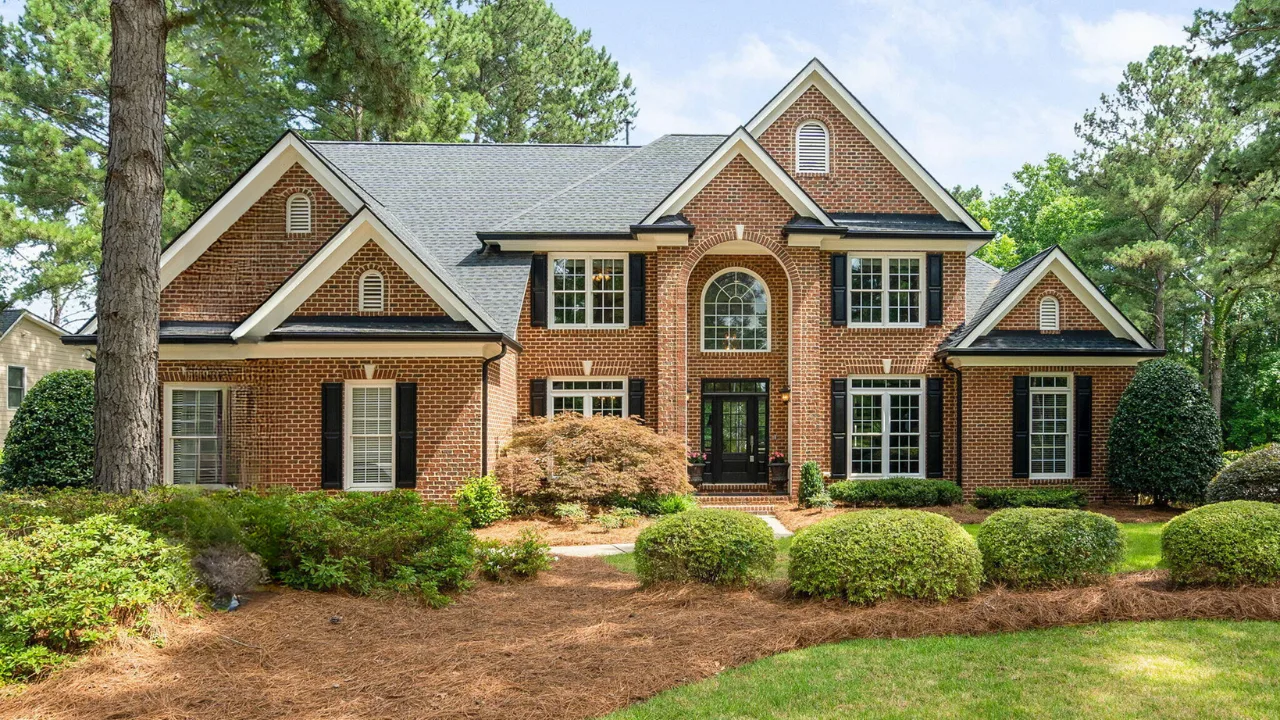
You're getting showings. The online views look fine. The feedback is polite: "Nice home, just not for us." And yet the offers aren't coming.
Before you cut the price, work through the seven low-cost fixes below. A price cut is often the most expensive fix, and it isn't always the right one. Most of the time, something smaller is quietly pushing buyers away, and it can usually be fixed for a few hundred dollars and a weekend of work.
If you want the short version up front: the question "why isn't my house selling Raleigh" almost always has one of four answers. It is priced against the wrong comps, it photographs badly, it doesn't show well in person, or it never reaches the right buyers. Here is how to find yours.
Raleigh's Market Benchmark: The Numbers You're Competing Against
Step one is to stop guessing and compare your home to what Raleigh is actually doing. Doorify MLS data for the City of Raleigh from July 1 through September 30, 2026, tells you what a healthy listing looks like right now:
| Raleigh market benchmark | Jul 1 - Sep 30, 2026 |
|---|---|
| Homes sold | 1,456 |
| Median days on market | 15 |
| Average days on market | 33 |
| Median sold price | $452,725 |
| Median sold price vs. list | about 98.6% |
Well-priced Raleigh homes are still going under contract in about two weeks at close to asking. If yours has passed 21 days with few showings or no offers, buyers are comparing it to something else and choosing that instead.
That gap between the 15-day median and the 33-day average matters too: a good share of listings sit much longer, and those are the homes buyers negotiate hardest on. Your goal is to be in the first group. Here are the seven fixes, in the order most sellers should try them.
1. Price to the Right Comps and Search Bracket
Match your price to homes like yours that actually closed in the last 90 days, and beat the comparable homes still sitting on the market. That sounds obvious, but sellers most often price from one of three unreliable sources: last spring's sales, an online estimate, or a neighbor's list price. A neighbor's list price tells you what the neighbor hopes to get, not what a buyer paid. Only closed sales count.
Then check the search brackets. Buyers filter in round numbers like $400,000, $450,000 and $500,000. A home listed at $455,000 never appears for the buyer who stops at $450,000. Sliding into the bracket just below yours can put your home in front of an entirely new pool of buyers, and a bracket move is not a deep cut.
2. Upgrade Photos, Video and Staging
If your listing photos look like phone snapshots, buyers assume the home will disappoint in person. Hire a professional photographer and use bright, wide-angle, well-edited shots. Declutter, depersonalize, and stage at least the main living area and primary bedroom. Lead with your strongest photo, because that is the one buyers click on from the search grid.
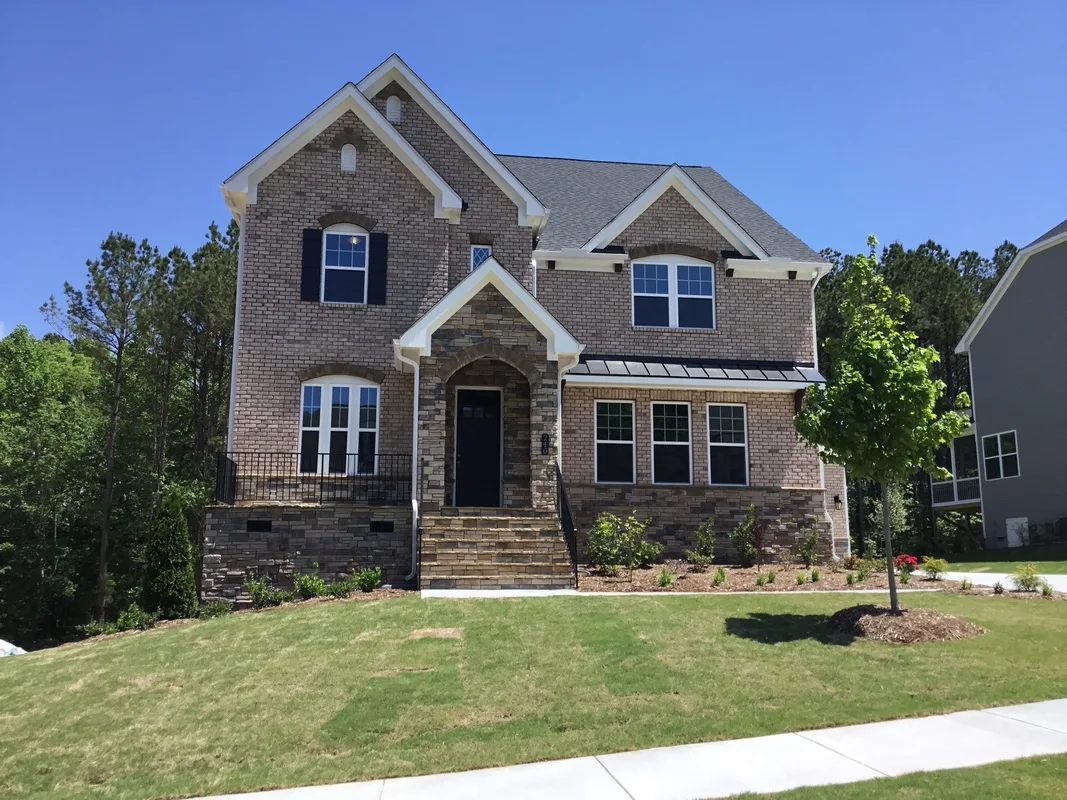
Add a video walkthrough, a 3D tour, or a floor plan. Out-of-state and relocating buyers lean on these before they ever book a flight, and right now many of your buyers are moving into Raleigh from somewhere else. And if the season changed, re-shoot: summer photos with green grass look stale on a November listing.
3. Act on Showing Feedback and Fix Condition
Read the showing feedback like a doctor reads symptoms. If the same condition complaint keeps coming up, fix it or price for it. If the feedback is positive but no offers come, the gap is price versus condition. And if buyers keep saying "We bought something else," find out what the other home had: was it bigger, updated, priced better, or just staged better?
The low-cost fixes that move the needle most in Raleigh:
- Fresh neutral paint in the high-traffic rooms buyers walk through first
- Updated light fixtures and cabinet hardware for a quick dated-to-current refresh
- A deep clean of carpets and windows, the two things buyers notice fastest
- Obvious repairs: leaky faucets, stained ceilings, a soft spot on the deck
- Curb appeal: fresh pine straw, trimmed shrubs, and a clean front door
A pre-listing inspection also helps. It surfaces the small issues before a buyer's inspector does, and it lets you fix them on your timeline instead of negotiating them under contract.
4. Make Your Home Easy to Show
This is the fix nobody budgets for because it costs nothing. Buyers in Raleigh are often relocating on a job timeline, which means their only window might be a Tuesday evening or a Sunday afternoon. Say yes to same-day showings, including evenings and weekends. Use a lockbox so agents are never waiting on you. Have a plan for pets and a plan for valuables, so no showing request ever has to be declined. Every "no, that time doesn't work" quietly costs you a buyer.
5. Offer a Buyer Incentive and Match New-Construction Deals
With 30-year mortgage rates above 7%, many buyers care more about the monthly payment than the list price. That is exactly what a seller-paid 2-1 buydown targets: it lowers the buyer's payment for the first two years without touching your list price. On a near-median Raleigh home, here is what it looks like:
| 2-1 buydown period | Rate | On a $452,725 home, 10% down |
|---|---|---|
| Year 1 | 5.32% | Saves the buyer about $531/month |
| Year 2 | 6.32% | Saves the buyer about $272/month |
| Years 3-30 | 7.32% | Full payment resumes |
The buydown costs the seller roughly $9,600 as a closing concession, and the list price stays put. The buyer gets a meaningfully lower payment in year one, you keep your price, and both sides get a deal.
You are also competing with builders across the Triangle who are paying closing costs, buying down rates, or adding upgrades to move year-end inventory. You don't have to match a builder dollar for dollar, but you should know what they are offering down the street. And you have advantages they can't match: a mature lot, established landscaping, no construction timeline, and a home that is ready to live in now. Sell those.
Other incentives that work: closing-cost help, a one-year home warranty, or a repair or flooring credit. All of them change the buyer's math while keeping your list price intact.
6. Rewrite Your Listing Description
Your description answers the questions buyers have after the photos, and it should be specific enough to do that. Drop the fluff: "must see" and "won't last" tell a buyer nothing and read like every other listing.
Lead with the facts buyers actually compare across homes: roof age, HVAC updates, square footage, lot size, garage, storage, and recent improvements with the year each was done. Then give the real commute times to Downtown Raleigh, Research Triangle Park, and RDU Airport, plus the nearby greenways, parks, shopping, and dining. Describe the home, not the buyer type, and keep the language about the property itself so it stays squarely on the right side of Fair Housing.
7. Widen Your Marketing Reach
Putting a home in the MLS and waiting isn't a marketing plan. Buyers have to see your house in enough places, enough times, to pick up the phone. Run targeted social media ads, including to buyers outside North Carolina who are relocating into the Triangle. Share your video on YouTube, Instagram, and Facebook. Contact local agents with active buyers who match your home. And hold open houses, then promote them like events instead of listing them and hoping.
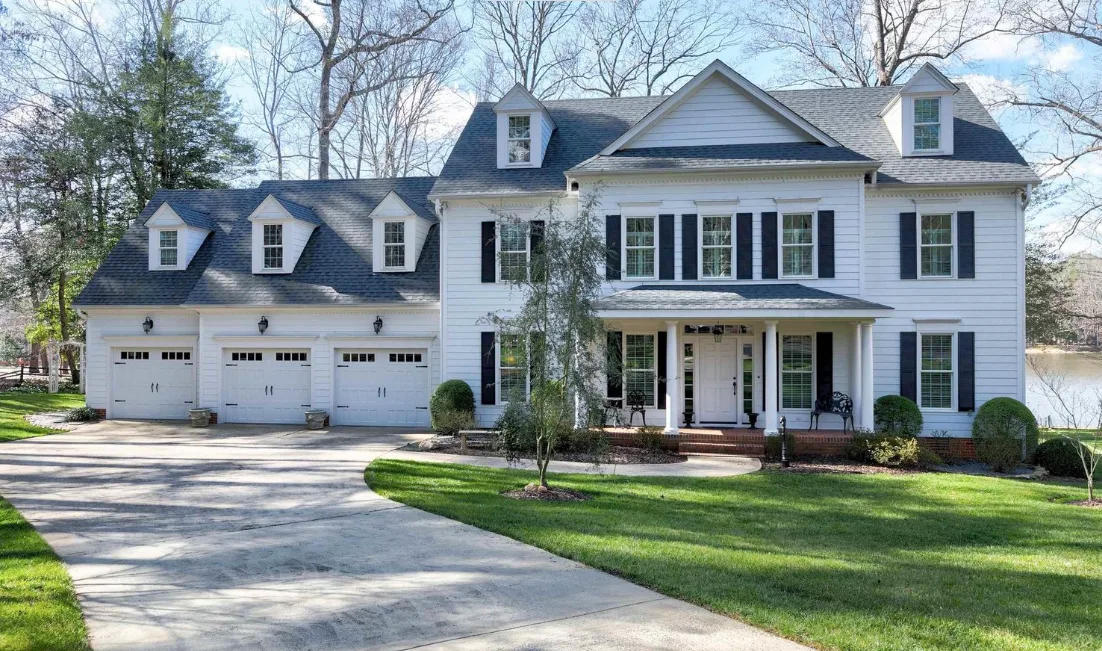
If your listing has gone quiet, don't be afraid to reset it. New photos, a new description and a relaunch can reset attention without a price change. The market's memory of a listing is short; what it remembers is what it saw last week.
When Should I Lower the Price?
The honest answer is that the decision table below tells you more than any rule of thumb. Match your symptom to the most likely cause, and the fix is usually clear:
| Symptom | What it likely means | What to do |
|---|---|---|
| Few online views or saves | Your photos or price bracket aren't pulling buyers in | Fix 1 and Fix 2 first |
| Lots of views, few showings | Buyers like it online but think it's overpriced | Reposition into the right price bracket |
| Plenty of showings, no offers | Something in person doesn't match the price | Fix 3, or adjust price to match condition |
| Offers coming in well under list | The market is telling you what it will pay | Weigh a price cut against an incentive |
When you do move the price, make one meaningful move rather than several small ones. Small $5,000 reductions every two weeks mostly signal that you're chasing the market, and buyers notice the pattern. One credible cut into the right bracket resets the conversation.
Zero Listing Commission
Listing Expired or Starting Over? Sell Smarter. Buy Stronger.
If your listing is stale, expired, or you're weighing starting over, this is what we bring to the table: a fresh Doorify MLS pricing analysis, professional photos and video, a buyer incentive strategy tailored to your home, and aggressive marketing that actually reaches buyers. When you buy your next home with Phil anywhere in the Triangle, your listing commission is $0.
- Zero Listing Commission: $0 listing commission when you buy your next home with Phil, anywhere in the Triangle.
- Buyer Home Guarantee: sell that next home for $0 listing commission too when you're buying your next one, so the protection compounds with every move.
- Fresh Doorify MLS pricing analysis, professional photos and video, buyer incentive strategy, and marketing that reaches real buyers.
Prefer to text? Text SELLZERO to 919-899-2320 or visit zerolistingcommission.com. If you're currently listed with another agent, talk to your listing agent first; this offer applies when your listing is with us.
Frequently Asked Questions
How long does it take to sell in Raleigh?
The median Raleigh home sells in 15 days, with an average of 33 days on market, per Doorify MLS data from July 1 through September 30, 2026. The median and the average are far apart for a reason: the well-priced homes move in two weeks and the stragglers pull the average up. If your home has passed three weeks without an offer, you're in the second group and it's time to start the fixes.
How much under asking do homes sell?
Raleigh homes closed at about 98.6% of list price in summer 2026. On a median-priced home of $452,725, that's roughly $6,500 under asking. So the market isn't asking you to take a haircut; it's expecting a realistic list price to begin with.
How much should I lower the price?
Make one meaningful reduction into the next search bracket. The classic move is $459,000 to $449,000, so the home shows up for the buyer who filters at $450,000. Small reductions that never cross a bracket change nothing for the buyers who can't see you.
Do price reductions hurt my home's value?
A price cut doesn't change your home's value, but repeated reductions make buyers wonder what's wrong and push offers lower. Each reduction is also public history that buyers and agents can see. An incentive keeps the list price intact while changing the payment math, which is often a better first move.
Should I cut the price or offer an incentive?
With rates above 7%, a seller-paid rate buydown or closing-cost credit often helps more than a same-size cut. A $10,000 price cut lowers a buyer's payment by maybe $60 a month; a buydown can lower it by hundreds. That said, an incentive won't fix a home that's clearly priced above what the market will pay, so price first, then sweeten.
What is a 2-1 buydown?
A seller-paid credit that lowers the buyer's rate by 2 points in year one and 1 point in year two, then reverts to the full rate. On a $452,725 home with 10% down at a 7.32% note rate, it saves the buyer about $531 a month in year one and costs the seller roughly $9,600 as a closing concession. The list price stays put and the buyer gets a bridge to a refinance.
Should I take the home off the market and relist?
Sometimes, yes: pull it, improve it, and relist with new photos. Relisting the same home with the same photos rarely helps, because buyers and agents remember it. A true relaunch needs something visibly different: new photography, a real price change, or the condition work done.
Is November a bad time to sell?
Not necessarily. There are fewer holiday shoppers, but the ones looking are serious, including relocating buyers who need to close around a job start date. And with less competing inventory than spring, a well-priced, well-photographed home can stand out more in November than it would in May.
Can I sell without paying a listing commission?
Yes, through the Zero Listing Commission offer. When you buy your next home with Phil anywhere in the Triangle, your listing commission is $0, and the Buyer Home Guarantee keeps that protection going on your next move. Text SELLZERO to 919-899-2320 and I'll walk you through whether you qualify.
The Bottom Line
Raleigh homes are still selling, most of them close to asking price. If yours isn't, work through the low-cost fixes first: comps, photos, condition, access, incentives, description and marketing reach. Cut the price only when the signals say the market has spoken, and make that cut count.
If you're not sure which fix is costing you the sale, that's exactly what a fresh pricing analysis is for. Get the real numbers for your address, see how your listing compares to the ones actually selling, and make a plan you can act on this week.
Ready When You Are
Let's Find Out What Your Home Is Really Competing Against
Text SELLZERO to 919-899-2320, book a call, or run your equity analysis. We'll tell you the truth about your price, your photos, and your market position, and lay out the fixes that will actually move the needle.
Disclaimer
Market statistics, prices, days-on-market figures, and buydown examples are drawn from the sources below as of late October 2026, are subject to change, and are provided for general information only. Nothing here is financial, tax, or lending advice. Speak with a licensed mortgage professional about your specific qualifying math, rates, and buydown programs.
Sources
- Doorify MLS, City of Raleigh closed sales, July 1 - September 30, 2026
- Freddie Mac 30-year mortgage rate via The Mortgage Reports, October 23, 2026
Written October 29, 2026, by Phil Slezak, Real Estate Broker, Phil Slezak Real Estate, brokered by LPT Realty.

Phil Slezak
Real Estate Broker · NC #242173 · 20+ years in the Triangle
I moved to the Triangle from Connecticut more than 20 years ago, and my team has represented thousands of buyers and sellers across Raleigh and the Triangle with over $200 million in sales. If your home is sitting, I'll tell you exactly why and what to do about it, starting with the free fixes.
Book a callRelated Articles
Selling
Sell Smarter, Buy Stronger: Keep More Triangle Home Equity
Market Trends
Is the Raleigh Housing Market Crashing in 2026? The Honest Answer
Market Trends
Best Time to Buy a House in Raleigh NC in 2026: What the Fall Data Says
Buying
How Much Are Closing Costs When Buying a Home in the Raleigh Triangle in 2026?
Phil Slezak Real Estate brokered by LPT Realty